
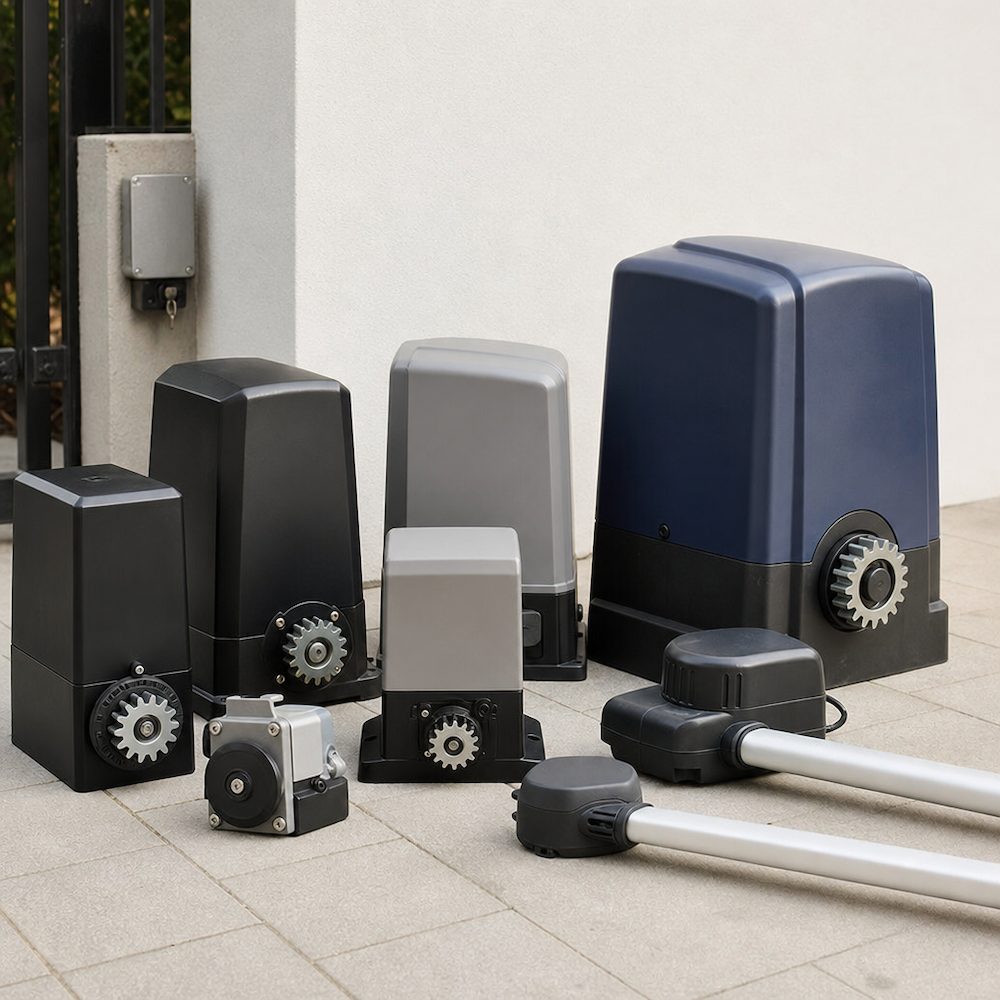
The difference between a D3 and D5 smart gate motor comes down to how much weight and daily use each is designed to handle reliably over time. Both are battery-backed sliding gate operators from the same manufacturer, and both include modern control features for smoother operation and better safety response. The D3 is built for lighter residential gates with moderate use, while the D5 is designed to move heavier gates or handle higher cycle counts without strain.
For property owners in Las Vegas, where heat, dust, and wind add stress to any mechanical system, understanding this distinction helps set realistic expectations for how an automatic gate will perform years after installation.
Why the D3 vs. D5 Question Comes Up
Many homeowners first hear about D3 and D5 motors when their existing gate starts behaving inconsistently. The gate might hesitate partway through its travel, stop and reverse for no visible reason, or seem slower on hot afternoons than in cooler weather.
These symptoms often prompt a search for answers, and the D3 vs. D5 distinction surfaces quickly in online discussions and conversations with neighbors. Without context, it can sound like a minor model difference or an upsell tactic rather than a meaningful choice.
The confusion is understandable. Both motors look similar, use compatible remotes and accessories, and are marketed for residential sliding gates. From the street, there is no visible difference between a gate running on a D3 and one running on a D5.
What changes is how the motor behaves under load over time. A gate that opens smoothly at installation may start showing strain once dust builds in the track, rollers wear, or the system has cycled through thousands of open-close sequences in desert conditions.
For property owners trying to decide between these two options, the uncertainty is uncomfortable. No one wants to pay more than necessary, but no one wants a gate that becomes unreliable two or three years down the road either.
How Each Motor Is Designed to Perform
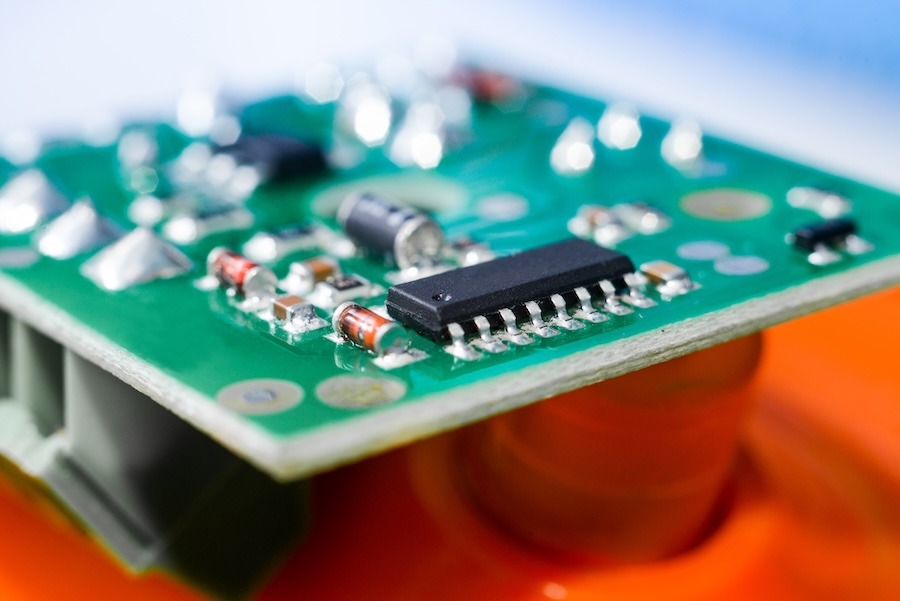
Both D3 and D5 are smart sliding gate motors, meaning their control boards include features like obstruction sensing, adjustable speed profiles, and integration with remotes, keypads, and safety devices. The term “smart” in this context refers to internal control logic rather than phone apps or Wi-Fi connectivity.
A D3 motor is typically suited to lighter, shorter residential gates that open and close a handful of times per day. It has enough torque to move a properly maintained gate within its weight range, and it handles normal residential use without issue when conditions are favorable.
A D5 motor is built with more torque and a higher duty cycle tolerance. It is designed to move heavier gates, handle steeper grades, and operate comfortably in situations where the gate cycles many times per day. Even when installed on a residential property, a D5 provides more margin for demanding conditions.
The practical difference shows up in how confidently the motor moves the gate day after day. A D3 working near its upper weight limit will feel different from a D5 operating well within its comfort zone. The D5 tends to deliver smoother starts and stops under load and is less likely to misread resistance as a safety fault.
In Las Vegas, where track debris, roller wear, and heat-related friction are common, that extra capacity matters. A motor with margin in reserve handles gradual changes in rolling resistance without slowing down or tripping protective systems.
What Matters Most for Long-Term Reliability
Choosing between a D3 and D5 affects how the gate behaves not just at installation, but years later when components have aged and conditions are less than ideal.
Reliability over time depends heavily on how hard the motor is being worked. A D3 operating a light gate four to six times per day in a single-family driveway will often run for years without issue. The same motor on a gate that cycles thirty to sixty times per day for multiple households is far more likely to overheat, wear faster, or reach its limits.
Safety features on both motors rely on the control board’s ability to distinguish between a real obstruction and simple resistance. When a motor is overworked, that distinction becomes harder to make. The gate may stop unnecessarily, reverse when nothing is blocking it, or behave unpredictably during high-resistance conditions like windy days or dusty tracks.
Durability in desert conditions favors motors that are not constantly near their limits. Heat accelerates grease breakdown, dries out rollers, and stresses electronics. A motor with capacity in reserve handles these factors with less strain than one already working hard just to complete a normal cycle.
Long-term cost is tied to sizing, not just purchase price. A correctly sized D5 can sometimes cost less over its life than a D3 that requires repeated service visits, replacement parts, and troubleshooting. The upfront difference in price often looks different when measured against years of reliable operation versus years of intermittent problems.
Usability shows up in everyday experience. How quickly the gate opens, how often it fails to complete a cycle, and whether it behaves the same in summer heat as in milder seasons all depend on whether the motor is comfortable with the load it carries.
Common Misunderstandings About These Motors
One persistent belief is that D3 and D5 are basically the same motor with different price tags. In practice, they are built for different weight and duty ranges, and that difference becomes apparent once the system has been in service for a while.

Another assumption is that if the motor moves the gate at installation, it must be properly sized. This overlooks how conditions change over time. Dust accumulates in tracks. Rollers and hinges dry out. Small alignment issues worsen. A motor that seemed adequate on day one can start showing strain within a year or two as these factors add up.
The “smart” label sometimes creates expectations of phone control or home automation integration. For D3 and D5 motors, most of the intelligence is internal. The control board senses force, ramps speed, and communicates with safety devices in ways that make operation smoother and safer. Visible consumer tech features are not the focus.
Some property owners assume that only commercial properties ever need a D5-class operator. In reality, shared residential driveways, homes with multiple vehicles, or properties with heavy decorative gates can quietly exceed what a D3 is comfortable handling long-term. The property type matters less than the actual demands placed on the motor.
How This Shows Up in Las Vegas Conditions
A typical scenario involves a residential sliding gate that works well at first with a D3 motor. The gate opens and closes smoothly, the safety devices respond correctly, and the owner has no complaints.
Over the next year or two, dust builds in the track. Rollers pick up grit and develop slight resistance. The gate may shift slightly on its hinges or wheels. None of these changes are dramatic, but together they increase the load on the motor.
On a D3 that was installed near its weight limit, these changes start to show. The gate hesitates midway through travel. It stops and reverses without visible cause. On hot afternoons, when the motor is already warm and the track is expanded, the problems become more frequent.
A similar gate on a D5 motor often continues to feel confident and smooth even as conditions become less ideal. The extra torque and duty capacity provide a buffer against gradual wear and environmental stress.
Multi-car households or shared residential access points can push a D3 toward its limits quickly. A gate that opens thirty or more times per day accumulates cycles much faster than a single-family driveway, and the motor’s duty tolerance becomes a practical constraint.
Owners often first notice the difference during hot afternoons, windy days, or after months of dust storms. These are the conditions that expose the margin between a motor working comfortably and one working near its ceiling.
When to Consider a Consultation
Questions about D3 versus D5 motors typically arise when property owners are planning a new automatic gate, replacing a worn-out operator, or troubleshooting inconsistent performance. Understanding the distinction helps frame realistic expectations for how the system will behave over time.
The real difference is about matching motor capacity to gate weight, use patterns, and local conditions. Two gates that look similar from the street can place very different demands on a motor, which is why simply copying a neighbor’s choice does not always lead to the same results.
DNG Automatic Gates has served the Las Vegas Valley for more than 12 years, and owner Dave Williams brings over 25 years of hands-on industry experience to every project. If you are evaluating a new gate installation, considering a motor replacement, or trying to understand why an existing system has become unreliable, a consultation can help clarify which approach fits your specific situation.
For a free estimate or to discuss your property’s needs, visit the DNG Gates Contact Page or call (702) 505-3107.


