
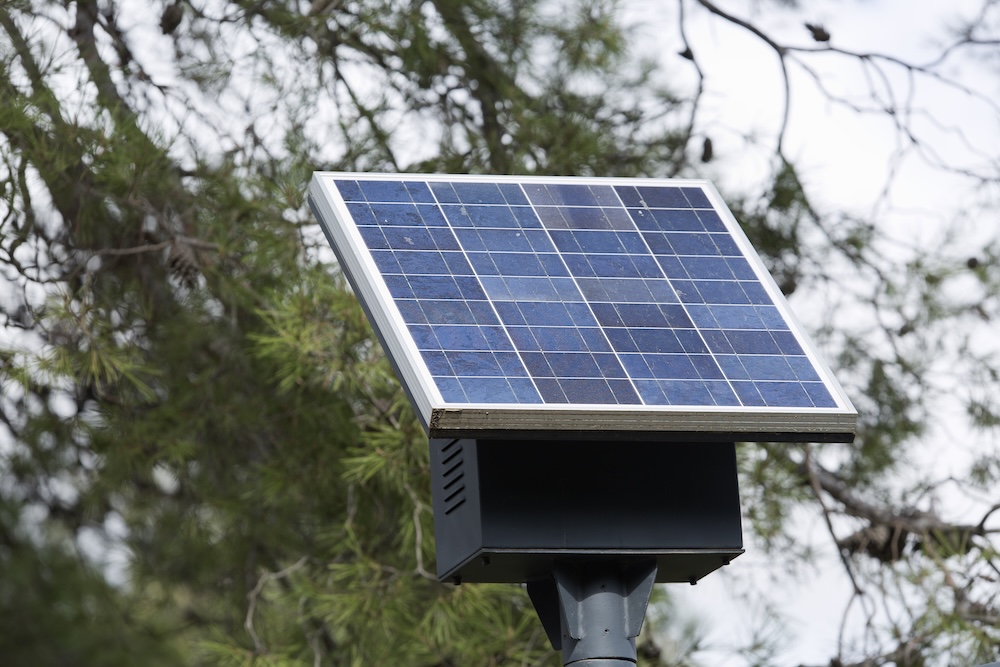
Solar-powered gate motors can deliver reliable performance in Las Vegas when the system is properly matched to the gate’s size, weight, and daily usage patterns. The real answer depends on how the motor, solar panel, and batteries work together under desert conditions, and whether the entire system is built to handle the heat, dust, and operational demands of your specific property. For property owners exploring automatic gate options, understanding what makes these systems work—and where they can fall short—helps set realistic expectations.
How Solar-Powered Gate Systems Actually Work
The basic concept is straightforward. Solar panels convert sunlight into electrical energy, which is stored in batteries and then used to power the motor that moves the gate. In a sunny climate like Southern Nevada, panels generally receive strong, consistent light throughout most of the year, giving the system ample opportunity to recharge during daylight hours.
What matters for reliability is whether all the components are sized correctly for the gate they are operating. A solar panel that works fine for a lightweight residential swing gate may not generate enough power for a heavy sliding gate at a commercial property. The same applies to batteries—they need enough capacity to store power for daily cycles plus a reasonable buffer for cloudy days or periods of higher-than-normal use.
The motor itself is only one piece of the equation. Control boards, wiring connections, and mechanical components all play a role in whether the gate responds consistently when activated. In desert conditions, these parts face exposure to intense heat, fine dust, and occasional wind-driven debris. Systems designed with these factors in mind tend to hold up better over time.
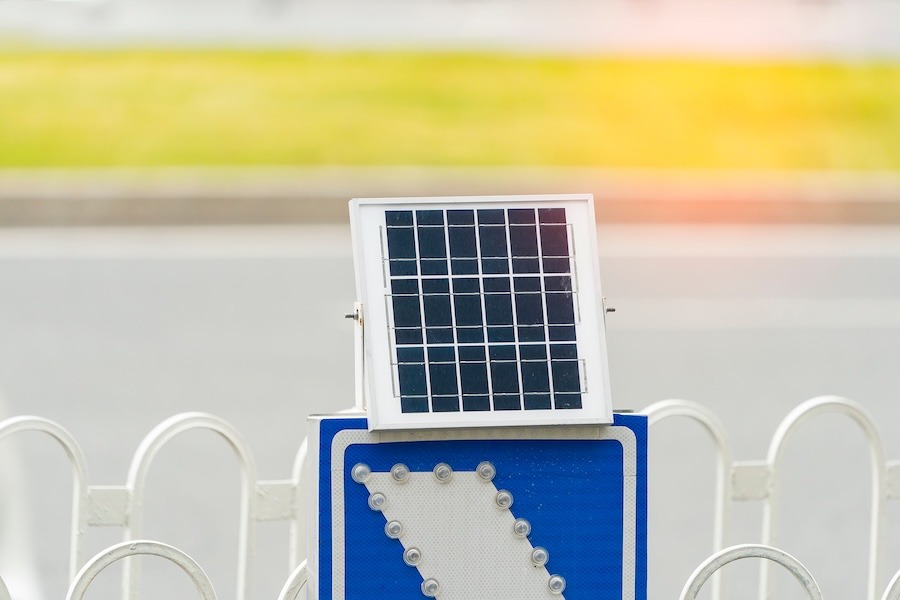
Residential gates in the Las Vegas Valley often cycle a handful of times per day, which can align well with a correctly configured solar setup. The power draw is manageable, and batteries have time to recharge between uses. Commercial gates or multi-tenant entrances typically see far more traffic, which means more frequent motor operation and heavier demand on stored power.
What Affects Long-Term Performance in Desert Conditions
Heat is the most persistent environmental factor affecting solar gate systems in Southern Nevada. Batteries, in particular, can lose efficiency when exposed to sustained high temperatures over months and years. This does not mean solar systems fail in hot climates—it means that battery health becomes a factor in long-term reliability.
Dust accumulation on solar panels can reduce their ability to generate power. A thin layer of desert dust may not cause immediate problems, but over time, panels that are not periodically cleaned may deliver less energy than expected. This is a maintenance consideration rather than a design flaw.
Wiring connections can also be affected by environmental exposure. Heat cycling—the expansion and contraction that occurs between daytime highs and nighttime lows—can gradually loosen connections or stress insulation. Secure, properly rated wiring installed with desert conditions in mind reduces the likelihood of intermittent electrical issues.
Wind loads matter as well. Gates in exposed locations may face resistance from strong gusts, which increases the mechanical effort required to open or close. If the motor or power system is undersized for these conditions, operation can become sluggish or inconsistent during windy periods.
None of these factors are unique to solar-powered systems. Any automatic gate in the desert faces similar environmental realities. The difference is that solar systems depend on stored energy, so anything that affects power generation or storage shows up more directly in day-to-day operation.
Mechanical Wear Still Applies
One area where expectations sometimes miss the mark is mechanical wear. Solar power changes the energy source, but it does not change the physical realities of moving a heavy gate hundreds or thousands of times per year.
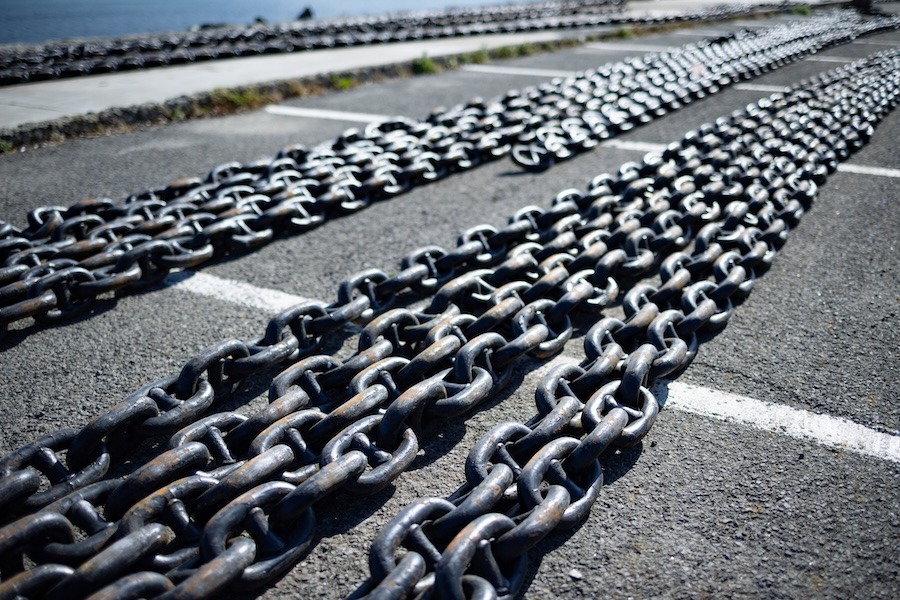
Hinges, rollers, chains, drive arms, and tracks all experience the same forces regardless of whether the motor runs on solar or hardwired electrical power. A swing gate still pivots on its hinges. A sliding gate still rolls along its track. These components wear over time, and that wear is influenced by the gate’s weight, how often it cycles, and how well it is maintained.
Lubrication, alignment, and periodic inspection remain important for solar-powered gates just as they do for any automatic gate system. Property owners who assume that solar reduces maintenance needs may be surprised when mechanical issues appear. The motor may have plenty of power, but if a roller is worn or a hinge is binding, the gate will not operate smoothly.
In commercial settings with high traffic, mechanical wear accumulates faster. Gates that cycle dozens of times per day put more stress on moving parts. This is true regardless of the power source, but it becomes more visible in solar systems if the increased duty cycle also strains the power storage.
Matching the System to the Property
Reliability is not a fixed characteristic of solar-powered gate motors—it is an outcome of how well the system matches the property’s actual conditions and usage.
For a residential driveway gate that opens a few times per day, a properly sized solar system can deliver consistent, dependable operation for years. The power demands are modest, sunlight is abundant, and the mechanical load is manageable. These are favorable conditions for solar.
For a commercial entrance or a property with frequent traffic, the calculation changes. More cycles mean more power draw and more mechanical wear. A system that works fine for ten cycles a day may struggle with fifty. This does not mean solar is unsuitable for commercial applications—it means the system needs to be configured for that workload from the start.
Battery capacity is especially important in high-use scenarios. Batteries need to store enough power to handle busy periods without depleting to the point where the gate becomes sluggish or unresponsive. Undersized batteries in a high-traffic application will show their limitations relatively quickly.
Panel size matters as well. A larger panel can generate more power during daylight hours, which helps keep batteries charged even when the gate is cycling frequently. In Las Vegas, strong sunlight is generally available, but the panel still needs to be matched to the overall system demand.
What This Means for Property Owners in the Las Vegas Valley
Solar-powered gate motors are not a separate category of reliability—they are automatic gate systems that draw energy from a different source. The same principles that apply to any gate system apply here: proper sizing, quality components, correct installation, and regular maintenance all contribute to long-term performance.
In the Las Vegas Valley, the combination of strong sunlight and moderate residential usage patterns can make solar a practical choice for many properties. The key is understanding that solar does not eliminate the realities of environmental exposure or mechanical wear. It simply changes how the system gets its power.
For property owners considering a solar-powered gate motor, one of the most useful steps is evaluating the specific gate design, expected usage level, and site conditions to determine whether solar is a practical long-term fit. DNG Automatic Gates has worked with residential and commercial properties throughout Las Vegas, Henderson, Pahrump, and the surrounding valley for more than 12 years, helping property owners assess how solar gate systems perform under real-world Southern Nevada conditions rather than relying solely on general product claims.
Factors such as daily cycle count, available sunlight, battery capacity, gate weight, and long-term maintenance expectations can all influence whether a solar-powered setup will operate reliably over time. Property owners considering installation, upgrades, or broader system evaluation may benefit from discussing how those conditions apply to their specific property and access needs. Consultations and system evaluations are available for those seeking additional guidance, and a free estimate can be requested through the DNG Gates Contact Page or by calling (702) 505-3107.


