
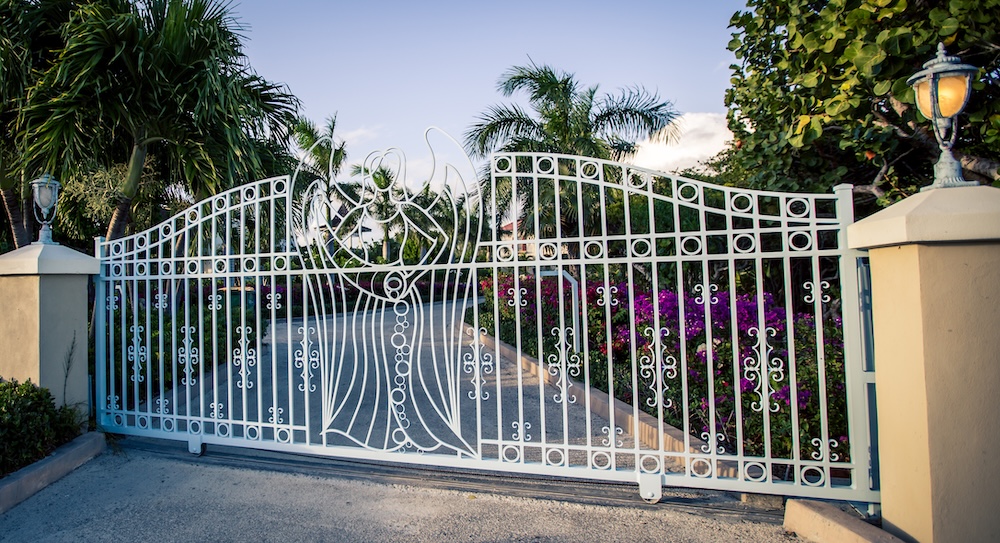
Resetting a gate motor after a fault involves more than pressing a button or cycling the power. When an automatic gate motor enters a fault state, it has detected something outside normal operating conditions and shut down to protect the system. In the Las Vegas Valley, where heat, dust, and wind are constant factors, these faults often point to real issues with how the gate moves or how the environment is affecting the system. Understanding what triggered the fault matters as much as knowing how to clear it.
What a Gate Motor Fault Actually Means
A gate motor fault is not the same as a motor failure. The fault is the system’s way of signaling that something prevented normal operation.
Modern automatic gate systems include a motor, a control board, safety devices, and the mechanical hardware that supports the gate itself. When the control board detects abnormal resistance, an obstruction, or an electrical irregularity, it stops the motor rather than forcing the gate to move under unsafe conditions.
This protective behavior is intentional. The system is designed to pause operation when conditions fall outside expected limits, which helps prevent damage to the motor, the gate structure, or anything in the gate’s path.
For most property owners, a fault shows up as a gate that stops mid-cycle, refuses to respond to a remote or keypad, or remains stuck open or closed. The motor may flash a light or display a code, but the underlying message is the same: something is wrong, and the system is waiting for conditions to change before resuming operation.
In residential settings, this might happen once and never repeat. In commercial settings with high daily traffic, faults may appear more frequently because the system cycles more often and encounters more opportunities for strain or obstruction.
The fault itself is information. It tells you the motor sensed a problem. Resetting without understanding the cause may restore movement temporarily, but it does not address whatever triggered the fault in the first place.
Why Faults Happen More Often in Desert Conditions
Las Vegas, Henderson, Pahrump, and the surrounding valley experience environmental conditions that directly affect automatic gate performance. Heat, dust, and wind each contribute to how motors, sensors, and mechanical components behave over time.
Dust accumulation is one of the most common factors. Fine desert dust settles on photo eyes, safety sensors, and moving parts. When sensors become obstructed or dirty, they may send false signals to the control board, triggering a fault even when nothing is actually blocking the gate.

Heat affects electronics and mechanical components differently. Control boards and wiring can experience stress during extreme summer temperatures. Lubricants on hinges, rollers, and tracks may thin or break down, increasing friction and making the gate harder to move. When the motor senses more resistance than expected, it may fault rather than force the gate through a cycle.
Wind adds another variable. A strong gust against a large gate panel increases the load the motor has to overcome. If that load exceeds what the system considers safe, the motor may stop mid-travel and enter a fault state. This is particularly noticeable on swing gates with large surface areas or on days when wind gusts are sudden and unpredictable.
These environmental factors do not cause instant failure. They work gradually, wearing down components and increasing strain until the system finally detects that something is out of range. Property owners often notice the gate slowing down or hesitating before the first fault appears, though these early signs are easy to overlook.
Common Misunderstandings About Gate Motor Faults
Many property owners treat automatic gates as systems that require little attention once installed. This assumption leads to confusion when a motor faults, because the expectation is that the gate should “just work” indefinitely.
One of the most common misunderstandings is that a motor fault means the motor itself has burned out or needs replacement. In practice, the motor is often responding to conditions elsewhere in the system. Worn rollers, misaligned hinges, dirty sensors, or obstructions on the track can all increase the effort required to move the gate, which the motor interprets as a problem.
Another misconception is that the motor is the entire system. The gate’s performance depends on the combined condition of the motor, control board, safety devices, gate structure, and all the mechanical hardware connecting them. Focusing only on the motor when a fault occurs can mean missing the actual source of the problem.
There is also a tendency to view resetting as a fix rather than a diagnostic step. Resetting clears the fault and allows the system to attempt operation again. If the underlying issue remains, the fault will return. Repeatedly resetting without investigation can mask developing problems and allow them to worsen over time.
Understanding that the fault is a symptom, not the disease, changes how property owners approach the situation. The goal is not just to get the gate moving again but to understand why it stopped in the first place.
What Happens When You Reset the Motor
The reset process varies depending on the motor brand and model, but the general sequence is similar across most residential and commercial systems.
Typically, resetting involves cutting power to the motor and control board, waiting a short period, and then restoring power. This allows the control board to clear the fault condition and reinitialize. Some systems have a dedicated reset button on the control board. Others require cycling the breaker or disconnecting power at the source.
Once power is restored, the control board runs through its startup sequence and checks its safety devices. If everything appears normal, the system returns to standby and waits for the next open or close command.
If the fault was caused by a temporary condition, such as a one-time obstruction or a brief power surge, the system may operate normally after the reset. If the fault was caused by an ongoing issue, such as worn hardware or a persistent sensor problem, the fault will likely return the next time the motor encounters that condition.
For property owners, the key observation after a reset is whether the gate moves smoothly and completes its full cycle without hesitation. A gate that faults again shortly after resetting, or that moves slowly and struggles to complete its travel, is signaling that something beyond a simple reset is needed.
Commercial properties with high traffic should pay particular attention to patterns. A gate that faults during peak hours, or after a certain number of cycles, may be experiencing strain that only shows up under heavy use. Tracking when faults occur can provide useful information about what is triggering them.
When Resetting Is Not Enough
Recurring faults indicate that the underlying cause has not been addressed. At this point, continued resetting can actually increase stress on the motor and other components, shortening their lifespan and leading to more significant repairs later.
Signs that the situation requires closer inspection include a gate that faults multiple times in a short period, a gate that moves noticeably slower than it used to, unusual noises during operation, or visible wear on hinges, rollers, or tracks. In desert conditions, dust buildup on sensors or inside the motor housing may also require cleaning that goes beyond a simple reset.
For residential properties, this might mean a gate that worked reliably for years is now faulting every few days or weeks. For commercial properties, it might mean a gate that disrupts deliveries, employee access, or customer traffic during busy periods.
The practical impact goes beyond inconvenience. A gate stuck open affects privacy and perceived security. A gate stuck closed disrupts normal access and can create problems for emergency vehicles or service providers. These real-world consequences shape how urgently property owners want clarity about what is happening.
When faults become a pattern rather than an isolated event, the reset process shifts from a quick fix to a starting point for troubleshooting. Understanding what the motor is reacting to, whether mechanical resistance, sensor issues, or environmental strain, becomes the focus.
Understanding Gate Faults in Context
A gate motor fault is a deliberate response by the system to conditions it has been designed to avoid. Viewing faults as information rather than random glitches provides a more realistic picture of how automatic gates actually perform over time.
In the Las Vegas Valley, where heat, dust, and wind are part of daily life, automatic gate systems face ongoing environmental pressure. Components age, hardware wears, and the motor’s fault detection eventually picks up on conditions that have changed since the system was installed.
For property owners deciding whether to reset a gate system or pursue a more detailed inspection, the frequency and pattern of faults often provide important context. A single fault following a windstorm, power interruption, or unusual operating condition may resolve after a reset, while repeated faults that occur under similar conditions usually indicate a larger issue within the system. DNG Automatic Gates has served the Las Vegas Valley for more than 12 years, with owner Dave Williams bringing over 25 years of hands-on industry experience to gate operator troubleshooting and system evaluation. That field experience shapes an approach that looks beyond isolated error codes to understand how the full gate system is functioning under real-world Southern Nevada conditions.
Factors such as motor strain, sensor alignment, access control integration, environmental exposure, and gate balance can all contribute to recurring fault conditions over time. Property owners considering repairs, upgrades, or broader system evaluation may benefit from discussing how those patterns relate to their specific gate setup and operating conditions. Consultations and system evaluations are available for those seeking additional guidance, and a free estimate can be requested through the DNG Gates Contact Page or by calling (702) 505-3107.


