
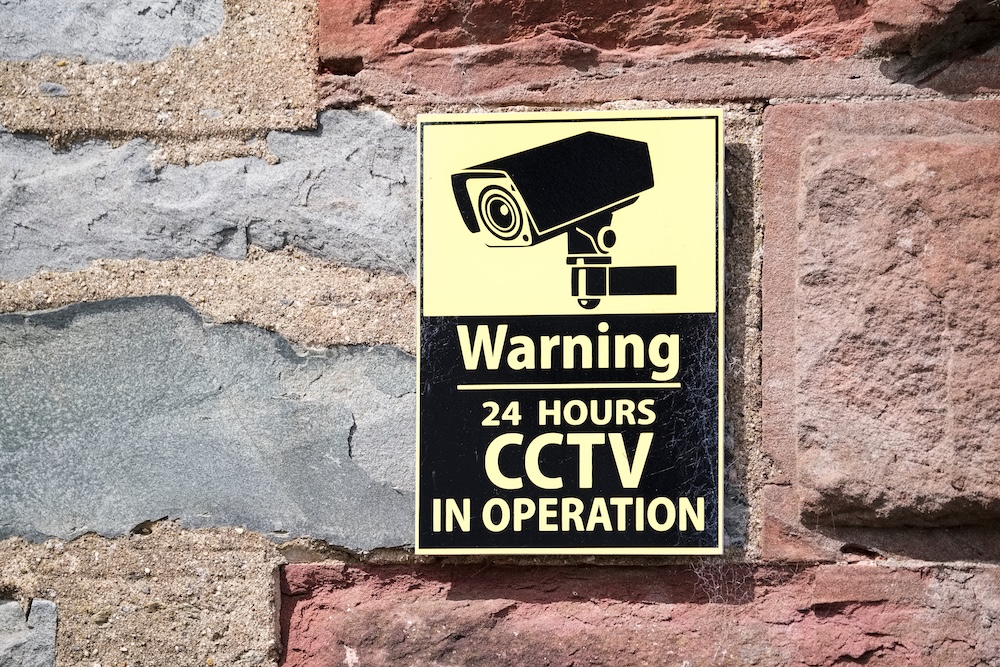
CCTV signs can discourage some unwanted behavior, but they do not function as a complete security solution on their own. In real-world conditions, their effectiveness depends on whether they are part of a visible, credible, and well-maintained camera system that actually covers key access points.
Across the Las Vegas Valley, where heat, dust, and wind constantly challenge outdoor equipment, the true deterrent value comes from a setup that remains functional and noticeable over time rather than from signage alone.
Understanding how these systems actually perform in practice helps property owners make clearer decisions about where to focus their security efforts. For those exploring how CCTV systems fit into broader property protection, the answer starts with knowing what signs and cameras can realistically accomplish.
Why Property Owners Question Whether CCTV Signs Work
The concern is straightforward. You may have installed cameras and posted surveillance signs near your driveway, gate, or parking area, and now you are wondering if any of it is actually changing behavior. It is common to question whether a basic camera kit and a few warning stickers are genuinely discouraging trespassers, package thieves, or vehicle break-ins, or whether determined individuals simply ignore them.
This uncertainty tends to grow over time. After the initial installation, months pass without incident, and it becomes difficult to know whether the system prevented anything or whether nothing was going to happen anyway. On the other hand, if an incident does occur, property owners often question whether their cameras captured useful footage or whether the signs failed to send the right message.
The gap between what people hope CCTV signs accomplish and what they actually do in daily operation creates real confusion. Some property owners feel reassured by visible signage. Others suspect they have invested in something that looks good but offers little practical protection.
That tension is worth addressing directly. What matters is not the idea of surveillance, but how it performs under real conditions, how visible and credible it appears to someone approaching the property, and how well it holds up in the specific environment where it operates.
How CCTV Signs and Cameras Actually Function
CCTV systems are designed to watch and record. They do not physically stop someone from entering a property, climbing a fence, or approaching a door. What they do is create a signal that activity may be captured on video, which can influence how some people choose to behave.
Signs reinforce that signal. When someone sees a notice indicating video surveillance is in use, it introduces the possibility of consequences. That awareness can cause hesitation, particularly for opportunistic behavior where the risk of being identified outweighs the potential gain.
In practice, the impact depends heavily on how noticeable and believable the setup appears. A clean, well-positioned camera mounted near an entry point, paired with a clearly visible sign, sends a different message than a faded sticker near a camera that looks disconnected or outdated.
What many property owners do not realize is that most residential and small commercial systems record footage without anyone watching in real time. The cameras capture video continuously or on motion triggers, and that footage is reviewed only after something happens. This means the system is more about documentation than active intervention.
Over time, environmental factors affect both equipment and signage. In the Las Vegas Valley, intense sun exposure can fade signs and degrade plastic housings. Dust accumulates on lenses, reducing image clarity. Wind can shift mounting brackets or loosen hardware. These changes influence how effective the system appears to someone approaching the property, and that appearance plays a meaningful role in deterrence.
What Matters Most for Property Owners Evaluating CCTV
For homeowners and property managers weighing the value of CCTV signs and systems, the main questions center on whether the setup actually reduces risk, holds up in local conditions, and fits the way the property is used day to day.
Reliability depends on more than just the equipment itself. Proper installation matters. Camera placement should cover key access points like gates, driveways, entrances, and parking areas without leaving blind spots. Mounting hardware needs to withstand desert heat, wind gusts, and the occasional monsoon storm. Signs must remain visible and legible over time, which means checking periodically to see if sun exposure has faded the lettering.
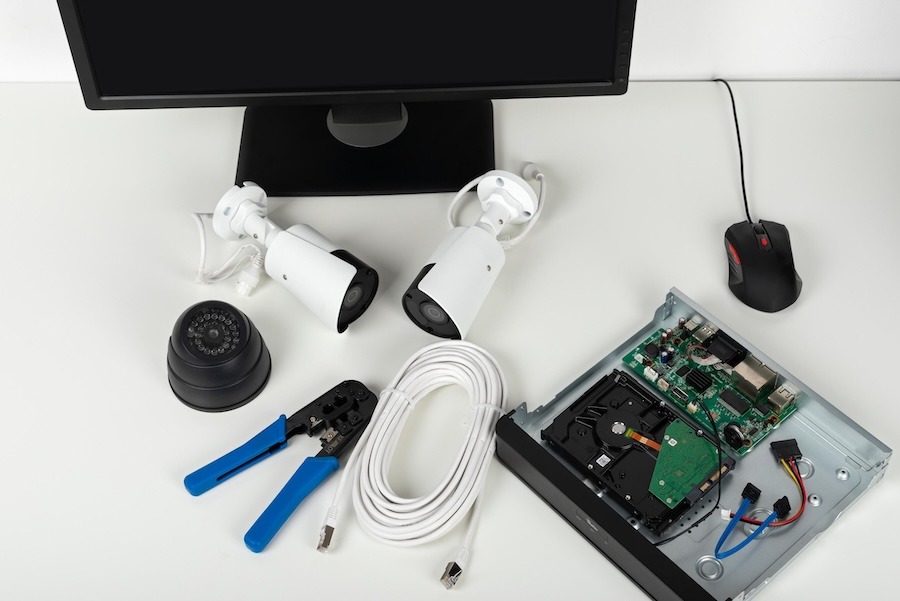
Safety considerations extend beyond physical security. Equipment and wiring should be installed in a way that does not create hazards, and mounting methods should hold firm even under stress. In shared environments like multi-tenant properties, there are also reasonable expectations around notice. Employees, visitors, and residents typically expect some indication when cameras are present, which is where visible signage serves both a legal and a practical role.
Long-term cost is another factor. CCTV is not a one-time purchase. Over the lifespan of the system, property owners should expect to clean lenses, replace weathered signs, adjust camera angles as landscaping or structures change, and occasionally swap out components that degrade in the heat. Ignoring maintenance does not just affect performance. It changes how credible the system looks to anyone who approaches.
In residential settings, many homeowners want a balance between deterrence and not feeling like they are living under constant surveillance themselves. For commercial and multi-tenant properties, the focus usually leans toward consistent coverage of entry points and the ability to review footage quickly if an incident occurs.
Common Misunderstandings About CCTV Deterrence
One of the most persistent assumptions is that simply posting CCTV signs will cause crime to move elsewhere. The belief is that visible warnings act like a force field, keeping all unwanted activity away. In reality, signs influence some behavior but not all. A determined individual who has already decided to act may not be swayed by signage alone.
Another misunderstanding involves fake cameras and signs with no working system behind them. Some property owners assume that the appearance of surveillance offers nearly the same deterrent as a functioning setup. That logic holds only if no one looks closely. Over time, equipment that appears neglected, obviously non-functional, or mismatched with the stated signage loses credibility. If cameras look like props, they send a very different message.
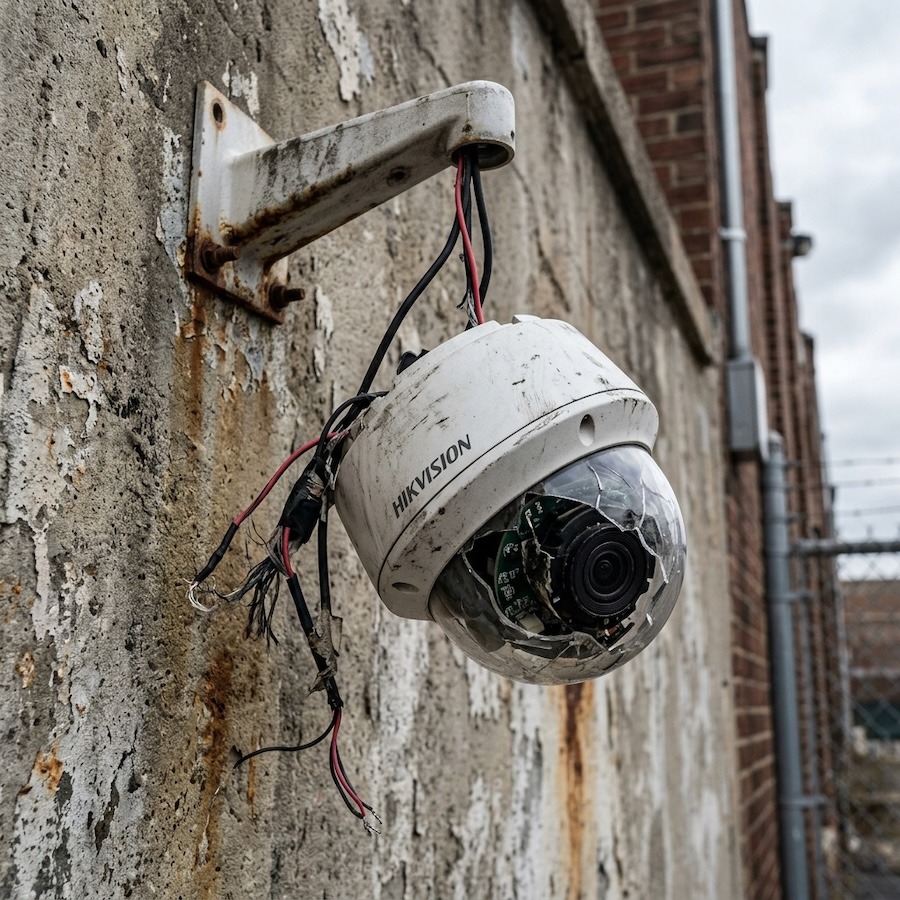
There is also a tendency to treat CCTV as a set-it-and-forget-it investment. After the initial installation, attention fades. Lenses get dusty. Signs bleach in the sun. Mounting hardware loosens after repeated temperature swings. When that happens, the system may still record, but its visible deterrent value quietly declines.
Finally, many people assume that having cameras means someone is watching in real time. That expectation rarely matches how systems are actually used. Most setups record continuously and are only reviewed after an event. Understanding that distinction helps property owners set realistic expectations about what their cameras will and will not catch in the moment.
How CCTV Fits Into Real-World Property Security
In everyday use, CCTV signs and cameras typically function as one component of a broader approach to monitoring and controlling access. They work alongside other layers such as automatic gates, access control systems, lighting, and physical barriers. Together, these elements shape how a property is watched and how clearly its boundaries are communicated.
Homeowners often check their phone or monitor when they hear an unexpected noise, then rely on recorded footage if something warrants a closer look later. Businesses frequently use cameras to review incidents in parking lots, loading zones, or at automatic gate entries, pulling timestamps and angles after the fact rather than watching live.
Over time, attention to the system can fade. Property owners may forget to check whether lenses are dirty, signs have faded, or cameras have shifted out of position. These small lapses add up, creating blind spots or reducing how clearly the presence of surveillance registers to someone approaching.
What holds the system together is ongoing awareness. A CCTV setup that performs well in year one needs occasional attention to keep performing in year five. In the Las Vegas Valley, where sun, heat, and dust are constant, that maintenance cycle matters more than in milder climates.
Questions about whether CCTV signs actually deter crime usually surface when property owners are already evaluating broader security measures. That context matters. Cameras and signage do not replace controlled access or sturdy barriers, but they contribute to how a property presents itself and how activity is documented over time.
Putting CCTV in Perspective for Las Vegas Properties
CCTV signs and cameras play a legitimate role in discouraging some unwanted behavior, but their real value depends on how visible, credible, and well-maintained the system remains in actual operating conditions. Viewing them as a complete answer overstates what they can accomplish. Viewing them as useless understates their contribution when paired with other security layers.
For property owners across Las Vegas, Henderson, and the surrounding valley, the practical question is whether the system continues to function as intended over time. That means checking equipment, keeping signs legible, and ensuring cameras still cover the areas that matter most.
DNG Automatic Gates works with residential and commercial property owners throughout the Las Vegas Valley on CCTV systems, access control, and automatic gate installations. With more than 12 years serving the region and owner Dave Williams bringing over 25 years of hands-on industry experience, the company approaches security as a long-term operational consideration rather than a standalone equipment purchase. That field experience helps inform decisions about how surveillance, access control, and gate systems function together under the daily demands of Southern Nevada conditions.
Factors such as property layout, visibility requirements, traffic patterns, environmental exposure, and long-term maintenance expectations can all influence how well a CCTV system supports broader security goals. Property owners considering installation, repairs, upgrades, or broader system evaluation may benefit from discussing how these considerations apply to their specific property and operational needs. Consultations and system evaluations are available for those seeking additional guidance, and a free estimate can be requested through the DNG Gates Contact Page or by calling (702) 505-3107.


