

The cost to supply and install a boom gate typically ranges from $3,000 to $15,000 or more, depending on the application, operator quality, and access control requirements. For property owners in Las Vegas, Henderson, Pahrump, and throughout the Las Vegas Valley, understanding what drives these costs helps set realistic expectations before requesting quotes.
This article breaks down the primary factors that influence boom gate pricing and what to consider when planning an installation. For those exploring other entry solutions, pedestrian gates offer a separate category of access control worth understanding alongside barrier arm systems.
What Determines Boom Gate Pricing
Boom gate costs vary significantly based on several core factors that directly affect both the supply and installation sides of the project.
The operator itself represents a substantial portion of the total investment. Commercial-grade operators designed for high-cycle applications cost more upfront but deliver longer service life under demanding conditions. Entry-level units may work for low-traffic residential settings, but they often lack the durability needed for commercial properties or HOA communities with constant vehicle flow.
Arm length plays a direct role in pricing. Longer arms require more robust mounting, counterbalancing, and in some cases, support structures to prevent sagging over time. A 12-foot arm for a single lane costs less than a 24-foot arm spanning a wider entrance.
The type of access control integrated into the system adds another layer of cost. Basic systems using keypads or remote transmitters fall on the lower end. Properties requiring card readers, vehicle loop detectors, intercom systems, or integration with existing security infrastructure push the total higher.
In Southern Nevada, installation conditions also affect pricing. Concrete work in the desert heat requires specific timing and curing considerations. Electrical runs across asphalt parking lots or through hardscape involve additional labor and materials compared to simpler installations.
Commercial Versus Residential Boom Gate Systems
The difference between commercial and residential boom gate applications goes beyond traffic volume.
Commercial installations typically require operators rated for continuous duty cycles. A parking garage or gated business entrance may see hundreds of cycles per day, demanding equipment engineered for that level of use. These operators feature heavier-duty motors, more durable gearboxes, and components designed for extended service intervals.
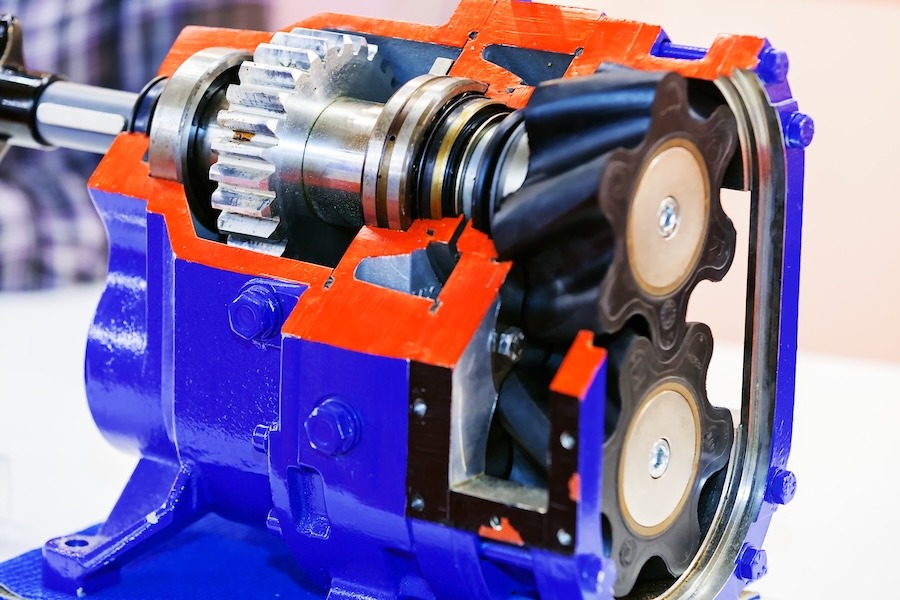
Residential or light-commercial applications, such as private driveways or small community entrances, often function well with mid-range operators. These systems see fewer daily cycles and face less mechanical stress over time.
Safety requirements also differ between settings. Commercial installations in Las Vegas must comply with UL 325 safety standards, which govern entrapment protection. This typically means incorporating photo eyes, sensing edges, or other detection devices to prevent the arm from lowering onto vehicles or pedestrians.
The control infrastructure for commercial properties often integrates with building management systems, security monitoring, or multi-point access networks. Residential systems tend to operate independently with simpler controls.
Understanding which category your property falls into helps clarify what level of equipment and installation complexity to expect.
Climate and Installation Considerations in Las Vegas
The Las Vegas Valley presents specific challenges that influence both equipment selection and installation practices.
Extreme summer heat affects electronic components and operator housings. Quality boom gate operators use sealed enclosures and components rated for high-temperature environments. Cheaper units may experience premature failure when internal temperatures climb during peak summer months.
Wind poses another consideration. Desert gusts can stress boom arms, particularly longer spans. Properly specified systems account for wind loading, and some operators include wind-resistance features or breakaway arms designed to prevent damage during severe weather.
Dust infiltration remains a long-term maintenance concern. Sealed operator housings and protected circuit boards reduce the frequency of cleaning and service calls.
Installation practices matter as much as equipment selection. Proper concrete footings, correct anchor bolt placement, and appropriate electrical supply ensure the system performs reliably over time. Rushing installation to avoid working in midday heat often leads to problems that surface months later.
Experienced installers familiar with local conditions understand these factors and account for them during both planning and execution.
What to Expect During the Installation Process
A standard boom gate installation involves several phases that property owners should understand before work begins.
Site evaluation comes first. The installer assesses the entrance width, traffic patterns, existing electrical infrastructure, and any integration requirements. This evaluation informs equipment recommendations and identifies potential complications.
Concrete work typically follows. The operator requires a stable mounting pad, and depending on the site, additional work may be needed for control pedestals, card reader posts, or loop detector installation in the pavement.
Electrical rough-in involves running conduit and wiring from the power source to the operator location. For properties without nearby electrical access, trenching or conduit runs add to the project scope.
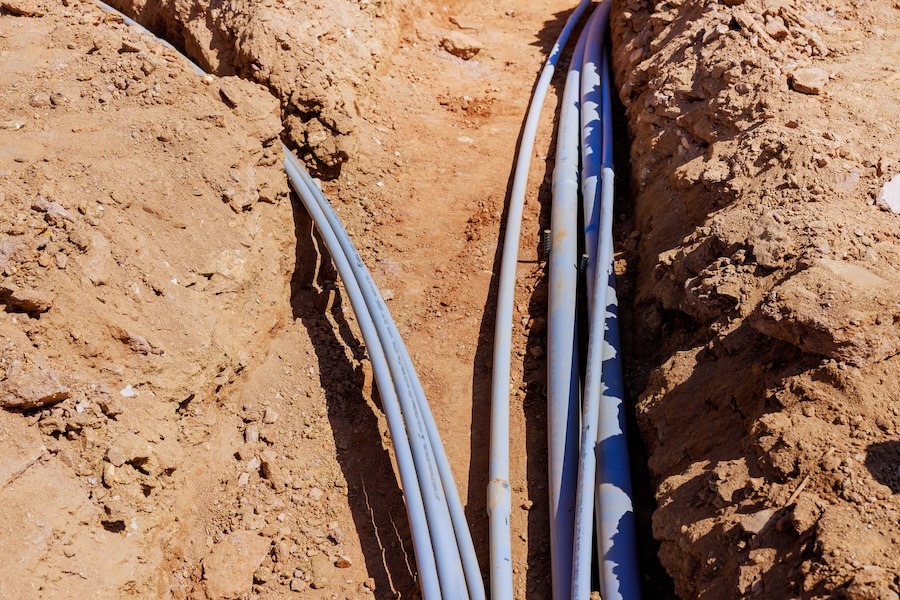
Operator mounting and arm installation happen once the concrete has cured and electrical is in place. The arm must be properly balanced and adjusted to ensure smooth, consistent operation.
Access control programming and safety device calibration complete the installation. This phase includes testing photo eyes, adjusting sensitivity settings, and programming any credentials or access codes.
From start to finish, a straightforward installation may take several days. Complex projects involving multiple lanes, integrated access control, or challenging site conditions extend the timeline accordingly.
Evaluating Quotes and Long-Term Value
When comparing boom gate quotes, looking beyond the bottom-line number reveals important differences.
Equipment specifications matter. Two quotes at similar prices may include vastly different operator quality. Asking about cycle ratings, warranty terms, and manufacturer reputation provides useful context.
Installation details also vary between providers. Some quotes include all necessary concrete work, electrical, and access control integration. Others present a base price with additions that surface later.
Long-term maintenance expectations affect total cost of ownership. Systems installed correctly with quality components require less frequent service. Operators specified for the actual duty cycle avoid premature wear.
Safety compliance should be confirmed, not assumed. Ensuring the quoted system meets UL 325 requirements protects both property owners and the people using the entrance.
Choosing a provider with documented experience in the Las Vegas area offers additional assurance. Local knowledge of climate conditions, permitting requirements, and common installation challenges reduces the likelihood of unexpected complications.
Considering a Boom Gate for Your Property
Property owners and managers evaluating boom gate installation benefit from understanding these cost factors before requesting proposals.
DNG Automatic Gates has served the Las Vegas Valley for more than 12 years, with owner Dave Williams bringing over 25 years of hands-on industry experience to every project. That depth of field knowledge informs realistic recommendations based on actual site conditions and long-term performance expectations.
If you are considering a boom gate installation, repair, or system upgrade, a consultation can help clarify what your specific property requires. Visit the DNG Gates Contact Page or call (702) 505-3107 to discuss your situation and request a free estimate.


