24/7 Gate Access Control for Self-Storage Facilities: Integrating Keypads, CCTV, and Tenant Software
Self-storage facilities depend on access control systems that work reliably around the clock without requiring constant staff supervision. When keypads, CCTV systems, and tenant management software operate together, property managers gain visibility into who enters the property and when, while tenants maintain convenient access to their units. Understanding how these components integrate helps commercial property managers make informed decisions about equipment selection, installation, and long-term maintenance planning.
How Integrated Access Control Works at Self-Storage Facilities
The foundation of 24/7 gate access at a self-storage facility is a system where multiple components communicate with each other rather than operating independently. A keypad or card reader at the gate connects to tenant management software that maintains a database of authorized users.
When a tenant enters their code or presents their credential, the system checks authorization in real time. If the account is active and in good standing, the gate opens. If the account is past due or flagged, access can be restricted automatically without staff involvement.
CCTV cameras positioned at the gate record each entry and exit event. Many systems timestamp these recordings and link them to the access log, so property managers can match video footage to specific tenant codes if an incident occurs.
This integration eliminates the need for on-site staff to manage access during evenings, weekends, and holidays. It also creates an audit trail that proves valuable when resolving disputes or investigating security concerns.
The reliability of this setup depends heavily on how well the components are specified, installed, and maintained. Equipment that works in an office park environment may not hold up at a self-storage facility exposed to desert heat, dust, and continuous daily use.
Keypad and Credential Systems in Continuous Operation
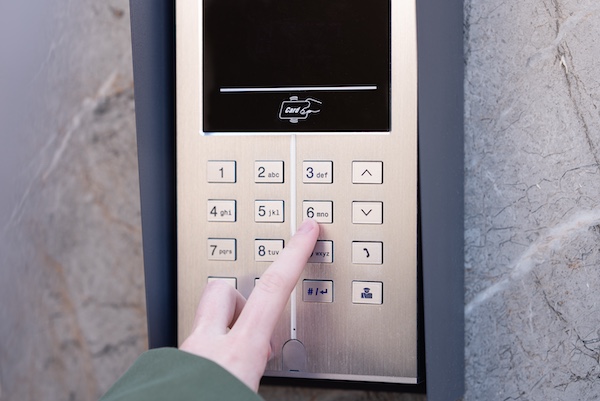
Keypads remain the most common access method at self-storage facilities because they require no physical credential for tenants to carry or lose. Each tenant receives a unique code that ties their entries to their account in the management software.
The tradeoff is that codes can be shared. Some facilities address this by requiring tenants to acknowledge terms of use, while others add secondary verification like license plate recognition.
Card readers and key fobs offer another layer of accountability since each credential is unique and harder to share casually. However, they introduce replacement costs when tenants lose cards and require more administrative overhead.
Proximity readers and mobile app-based credentials are becoming more common. These systems allow tenants to unlock gates using their smartphones, which many find more convenient than remembering a code.
Regardless of the credential type, the equipment at the gate must withstand Southern Nevada conditions. Direct sun exposure causes housings to degrade, and dust accumulation affects keypads and card readers over time.
Property managers should expect to include keypad inspection and cleaning as part of regular preventative maintenance. Buttons that become unresponsive or screens that wash out in bright light create tenant frustration and support calls.
Choosing commercial-grade equipment rated for outdoor use makes a significant difference in long-term reliability. Consumer-grade access hardware often fails prematurely in high-use commercial environments.
CCTV Integration and Its Role in Access Accountability
Cameras at the gate serve two purposes. They deter unauthorized access attempts, and they document what actually happens during each entry and exit event.
When CCTV integrates with the access control system, property managers can pull video based on specific events rather than scrubbing through hours of footage. If a tenant reports a break-in, staff can quickly locate the footage from that access window.
Camera placement matters. A camera aimed at the keypad captures who is entering the code, while a camera aimed at the vehicle captures plate information. Facilities with higher security requirements often use both angles.
Recording quality must balance storage costs with usability. High-resolution footage consumes more storage space, but grainy footage may not provide enough detail to identify individuals or vehicles.
Desert dust and afternoon sun create challenges for outdoor cameras. Lenses require periodic cleaning, and cameras aimed west may struggle with glare during certain hours. Housing quality affects how well cameras hold up to temperature swings that can range from near freezing in winter to well over 110 degrees in summer.
Network connectivity between cameras and the recording system needs to be reliable. A camera that loses connection during a critical moment defeats the purpose of the investment. Hardwired connections typically prove more dependable than wireless in commercial installations.
Property managers should verify that their recording system retains footage long enough to be useful. Thirty days is a common retention period, but some incidents are not reported immediately.
Tenant Software Integration and Operational Efficiency
Tenant management software becomes the central hub when properly integrated with gate access and CCTV. This software maintains unit assignments, billing status, and access permissions in one system.
Automatic access restriction for delinquent accounts reduces awkward confrontations and encourages timely payment. When a tenant's account falls past due, their code simply stops working. Once payment is made, access restores automatically in most systems.
New tenant onboarding becomes simpler when the software generates access codes as part of the move-in process. This eliminates manual steps that create delays or errors.
Access logs provide data that helps property managers understand facility usage patterns. Knowing peak access times can inform decisions about lighting, staffing, and even marketing to prospective tenants who need after-hours access.
Integration quality varies between software platforms. Some systems offer native support for specific access hardware, while others require middleware or custom programming. Compatibility should be verified before purchasing equipment.
When components come from different manufacturers, troubleshooting becomes more complicated. If the gate fails to open, the problem could be in the keypad, the software, the controller, or the wiring between them. Working with an installer experienced in integrated systems helps avoid finger-pointing between vendors when issues arise.
Software updates and licensing costs factor into long-term operating expenses. Cloud-based systems typically involve ongoing subscription fees, while on-premise systems may require periodic software upgrades and server maintenance.
Long-Term Reliability and Maintenance Planning
Access control systems at self-storage facilities run continuously and accumulate wear faster than systems at properties with limited operating hours. Planning for maintenance and eventual replacement protects the initial investment and prevents unexpected downtime.
Gate operators at high-traffic facilities may cycle dozens of times daily. Motors, hinges, and chains wear out over time regardless of brand quality. Establishing a preventative maintenance schedule extends equipment life and catches problems before they cause failures.
Keypads and card readers exposed to desert conditions should be inspected seasonally. Dust buildup in button mechanisms and card slots causes intermittent failures that frustrate tenants.
Power supply reliability affects the entire system. Surge protection and battery backup help the system survive power fluctuations that are common during summer storm season in the Las Vegas Valley.
Software systems require updates to maintain security and compatibility. Falling behind on updates can create vulnerabilities or cause integration problems when other components are upgraded.
Documentation matters for long-term serviceability. Property managers should maintain records of installed equipment, software versions, wiring diagrams, and vendor contacts. This information proves valuable when the original installer is no longer available or when new staff takes over facility management.
Working with a service provider experienced in commercial gate and access systems helps property managers navigate equipment decisions and maintain system reliability over time. Dave Williams and the team at DNG Automatic Gates have spent more than 25 years working through the practical challenges these systems present in Southern Nevada's demanding climate.
Balancing Security, Convenience, and Operating Costs
Every decision in access control involves tradeoffs. Higher security measures often add friction for tenants. More sophisticated equipment increases upfront costs and maintenance complexity. Property managers must find the balance that fits their facility and tenant expectations.
A basic keypad system with standalone CCTV may serve a smaller facility well. A larger facility with higher rental rates and security-conscious tenants may justify investment in integrated credential systems, license plate recognition, and extended video retention.
Tenant convenience affects occupancy. If the access system frustrates tenants with slow gates, unreliable keypads, or confusing procedures, they may choose a competitor with a smoother experience.
Operating costs include more than equipment purchase. Power consumption, software subscriptions, maintenance labor, and eventual replacement all factor into the true cost of ownership. Cheaper equipment often costs more over a ten-year horizon when repair frequency and shorter lifespan are considered.
Property managers responsible for multiple facilities benefit from standardizing equipment and software where practical. Consistent systems simplify training, reduce spare parts inventory, and streamline vendor relationships.
The goal is a system that operates reliably day after day with minimal intervention, provides accountability when incidents occur, and avoids creating headaches for tenants or staff. Achieving that outcome requires thoughtful planning, appropriate equipment selection, and ongoing attention to maintenance. The investment pays off through reduced problems, satisfied tenants, and protected property value over the long term.