Wired vs Wireless Gate Intercom: Which One Holds Up Long-Term?
Neither wired nor wireless telephone entry systems are automatically better for long-term use. Each holds up differently depending on whether the system relies on physical cabling or wireless signals, how well components withstand Las Vegas weather, and how often the surrounding technology or network changes over time.
Wired intercoms depend on low-voltage cable running between the gate and the building. Wireless intercoms depend on radio, Wi-Fi, or cellular connections instead. Both types must endure desert sun, extreme heat, dust, and wind over years of daily use at the gate.
Long-term performance comes down to whether visitors can reliably reach you and open the gate after years in the field, not just how the system works when it is new. For properties across the Las Vegas Valley, telephone entry systems are a routine part of automatic gate setups for residential driveways, multi-tenant communities, and commercial yards.
The Real Concern Behind the Question
Property owners and managers often reach a point where their gate intercom works some days and not others. Visitors complain about garbled audio or calls that do not connect at all.
The frustration grows when a system installed only a few years ago already feels unreliable, especially during extreme summer heat or after windstorms blow dust through the gate area.
Choosing between wired and wireless options can feel confusing. Installers, neighbors, and online reviews offer conflicting opinions about which type holds up better over time.
The underlying concern is straightforward. No one wants to replace a gate intercom sooner than necessary or deal with ongoing issues that undercut the convenience and security they expected when they installed the system.
Understanding How Each System Works
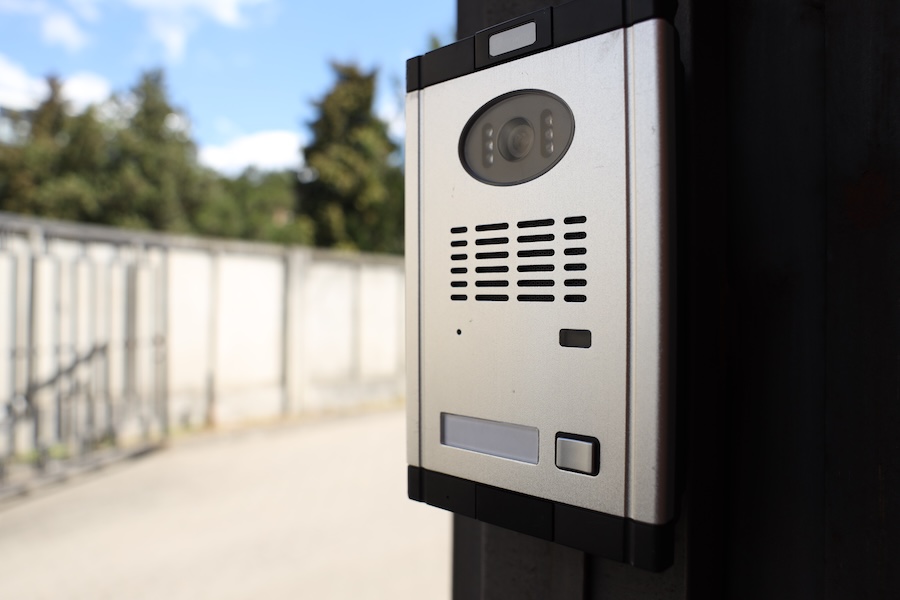
A telephone entry system is a gate intercom that lets visitors call inside the property and request access. Many systems today tie into landline phones, smartphones, or dedicated apps, allowing the owner to communicate with visitors and trigger the gate to open remotely.
A wired gate intercom uses low-voltage cabling running from the gate to the building. This cable carries audio, video if applicable, and control signals to open the gate. Once the cable is properly installed and protected in conduit, that physical connection tends to remain stable over time.
A wireless gate intercom uses radio frequencies, Wi-Fi, or cellular networks to send communication between the gate and the owner's devices. This approach avoids the need for trenching across driveways or landscaping, but it depends entirely on signal strength and quality between the gate location and wherever the call is received.
In Southern Nevada, both types sit outdoors in direct desert sun and wind. Long-term behavior for either one is shaped by UV exposure, sustained high temperatures, dust intrusion, and the level of daily use at the property.
Many modern systems blend both approaches. The intercom panel at the gate may be hardwired for power and gate control while using wireless connectivity to reach phones or apps for calling and notifications. This means long-term performance becomes partly a hardware durability question and partly a technology and network question.
What Matters Most Over Time
Reliability is the first concern. For wired systems, reliability centers on the integrity of the cable path and all the connection points along the way. Once those are solid and protected, the communication link is usually predictable and unaffected by what happens with Wi-Fi routers or cellular networks in the area.
For wireless systems, reliability ties directly to signal strength, interference, and network stability. These factors can shift over time as the property or surrounding environment changes. A new structure, a repositioned router, or a change in cellular service can alter performance without anything at the gate being touched.
Telephone entry is one element of a safe automatic gate system. It works alongside safety sensors and operator controls to manage access. A reliable intercom helps visitors and emergency responders reach someone quickly when they need the gate to open.
Durability in desert conditions affects both wired and wireless systems. High heat, UV radiation, and blowing dust accelerate wear on keypads, displays, speakers, microphones, and plastic enclosures regardless of which communication method the system uses. Long-term durability depends heavily on how well the hardware is built for outdoor exposure in this climate.
Long-term cost extends beyond the purchase price and installation. It includes service visits, replacement parts, and the eventual need to update or replace equipment as technology evolves. Wired systems typically involve more upfront installation work if trenching is required. Wireless systems may face more frequent adjustments over time due to connectivity changes or compatibility issues with updated phones and apps.
Usability matters in daily life. Property owners judge their systems by whether visitors can reliably call them, hear them clearly, and open the gate without repeated attempts. App-based access is convenient but ties system behavior to smartphone updates, router replacements, and cellular plan changes that are outside the property owner's direct control.
For residential properties, the priority is usually smooth daily use and minimal disruption to landscaping or finished driveways. For commercial or multi-tenant properties, higher traffic and more users make any reliability issue far more visible and create more wear on intercom hardware.
Common Misunderstandings About Long-Term Performance
A persistent belief is that telephone entry systems are set-and-forget installations. In reality, outdoor electronics in desert conditions require periodic inspection and occasional component replacement over the years. Expecting otherwise leads to frustration when systems degrade.
The assumption that wired systems are automatically maintenance-free while wireless systems are automatically unreliable does not match field experience. Wired systems can suffer when conduit is damaged during landscaping or construction, when water enters junction boxes, or when terminations corrode or loosen over time. Wireless systems can remain stable when signal conditions are strong and consistent.
The idea that wireless is always cheaper and easier because it skips trenching overlooks what happens later. Changes in Wi-Fi equipment, cellular networks, or app ecosystems can require work and expense years after installation. Subscription-based cellular connectivity adds ongoing cost that wired systems do not have.
Smartphone integration does not freeze the system in time. Operating system updates, new phone models, and changes to intercom apps can alter how calls come through, how notifications appear, and whether the system continues to work as expected. The gate hardware may be unchanged while the user experience shifts
Older experiences with basic radio intercoms—frequent static, limited range, inconsistent connections—do not necessarily reflect how current wireless telephone entry systems behave. However, those experiences do highlight how sensitive wireless performance is to the RF environment and how much that environment can change over years.
How Wired and Wireless Systems Age in the Field
Over several years in Las Vegas, keypads on both wired and wireless systems show the effects of UV exposure, heat cycles, and dust. Numbers fade, buttons become sticky, and finishes wear down. This affects how easily visitors can use the system.
Audio quality tends to decline gradually as dust works into speaker grills and microphones. Plastics and seals age and crack, leading to muffled or distorted sound during calls. Property owners notice visitors asking them to repeat themselves more often or complaining that they cannot hear clearly.
A wired system that has been stable for years can become intermittent after landscaping work or construction damages a buried cable or junction box. The gate operator may still function normally while the intercom becomes unreliable, making the source of the problem harder to identify at first.
A wireless system that performs well initially can become inconsistent when a new building, metal structure, or piece of equipment interferes with the signal path. Moving a Wi-Fi router inside the house or switching internet providers can have the same effect without any changes at the gate itself.
For residential users, these issues show up as visitors calling more than once, missed calls, or the need to physically walk to the gate more often than expected. For commercial and multi-tenant sites, frequent use and a larger number of visitors amplify even small reliability problems, making downtime or intermittent behavior immediately noticeable to tenants and vendors.
Choosing Based on Your Property and Priorities
Questions about wired versus wireless gate intercoms usually come up when property owners are planning a new automatic gate, upgrading aging telephone entry equipment, or trying to resolve ongoing reliability issues with an existing system.
Professionals who work with automatic gates in the Las Vegas area see how different intercom types behave over years in desert conditions. That experience shapes recommendations about hardware selection, installation methods, and realistic maintenance expectations.
The core distinction is not about one type being universally superior. It is about how each handles long-term exposure to heat, dust, and changing technology around the property.
Telephone entry systems are outdoor electronics living in a harsh environment. They are not permanent fixtures that will operate unchanged for decades. Realistic expectations include some level of periodic upkeep, occasional component refresh, and attention to how cabling or connectivity may need to evolve over the life of the gate system.
Every property is different. Driveway length, building location, existing infrastructure, network setup, and daily usage levels all influence which approach will feel more dependable over the long run.
Considering an Upgrade or New Installation
If you are evaluating automatic gate options, planning a telephone entry upgrade, or working through reliability issues with an existing system, a consultation can help clarify what makes sense for your property.
DNG Automatic Gates has served the Las Vegas Valley for more than 12 years. Owner Dave Williams brings over 25 years of hands-on experience with gate systems across residential and commercial properties in this climate.
For a free estimate or to discuss your specific situation, visit the DNG Gates Contact Page or call (702) 505-3107.