
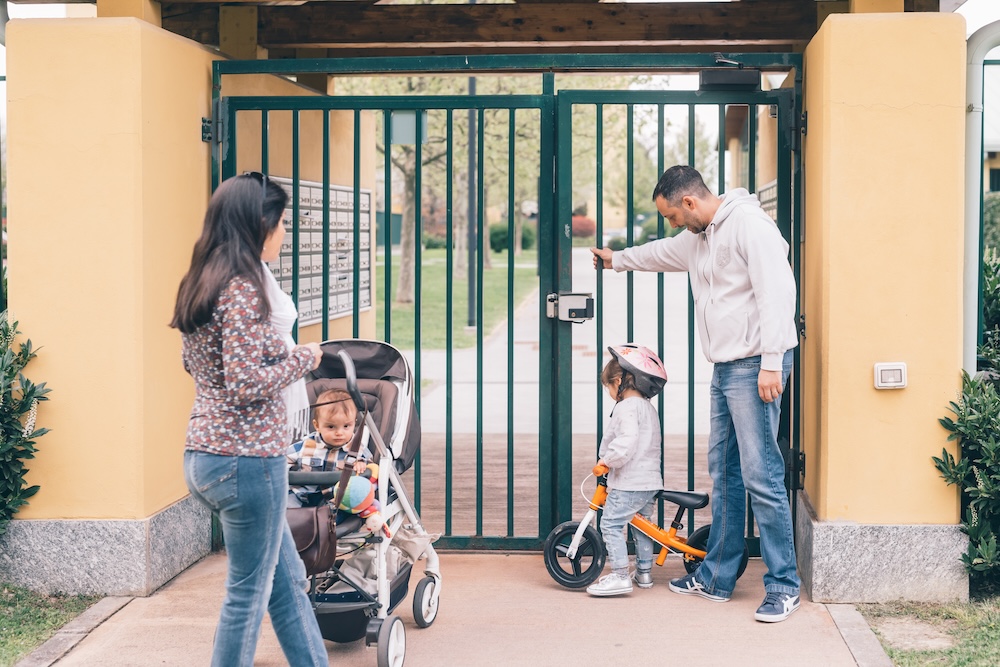
A self-closing pedestrian gate is a walk-through gate designed to swing shut automatically after someone passes through, using built-in hardware to return the gate to its closed position without manual effort. For property owners across Las Vegas and the surrounding valley, understanding how these gates actually perform in real-world conditions matters more than the label itself.The reliability of any self-closing pedestrian gate depends on how well its components handle repeated daily use, desert heat, dust, and wind exposure over time.
This article explains what these gates do, where they fit into broader automatic gate and pedestrian access systems, and what property owners can realistically expect from them based on long-term field experience in Southern Nevada.
What a Self-Closing Pedestrian Gate Actually Does
A self-closing pedestrian gate is a smaller, walk-through entry point that works alongside vehicle gates to manage foot traffic onto a property. The defining feature is a closing mechanism that brings the gate back to the closed position after each use, without requiring someone to pull or push it shut behind them.
This closing action can be achieved through different types of hardware. Some gates use spring-loaded hinges that provide constant return tension. Others rely on dedicated gate closers mounted separately from the hinge system. Integrated hinge systems combine both functions into a single assembly. Regardless of the specific approach, the goal is the same: the gate swings open when someone pushes through, then returns to closed on its own.
The latch is the other half of the equation. A self-closing gate that swings shut but does not catch in the latch has not actually secured the opening. For the gate to function as intended, the closing mechanism must bring it back with enough force and alignment to engage the latch consistently.
In both residential and commercial settings, these gates typically appear where people walk through a boundary more often than they drive. Side yard entries, pool area access points, walk-up approaches to commercial lots, and pedestrian entries alongside larger drive gates are common locations.
Property owners choose self-closing pedestrian gates when there is a need to keep an opening from being left ajar. That need might relate to keeping children or pets within a yard, managing who can walk onto a commercial property, or simply ensuring that a boundary remains defined without relying on every person who passes through to close it manually.
Why Reliability Matters More Than the Label
Many property owners approach a self-closing pedestrian gate with the expectation that it will perform the same way for years without attention. In practice, the closing behavior changes over time as components experience wear and environmental stress.
In the Las Vegas Valley, heat is a constant factor. Metal expands in high temperatures, which can affect how hinges pivot and how latches align. Plastic and rubber components in some closing mechanisms can degrade faster under sustained UV exposure. Dust accumulates on moving parts, creating friction that changes how smoothly the gate travels through its arc.
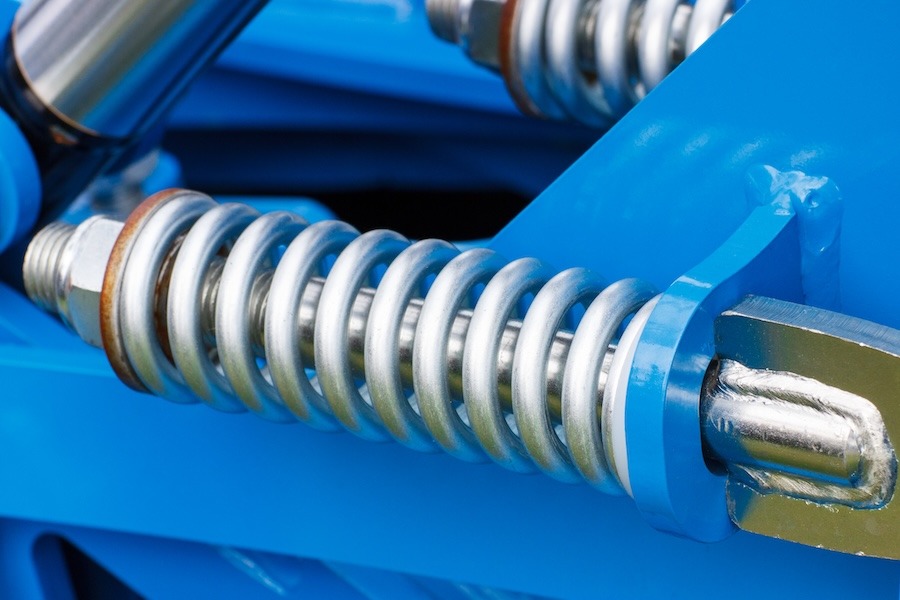
Wind adds another variable. A gate that closes gently on a calm day may slam hard when gusts catch it. Repeated slamming stresses hinges, closers, and latch hardware in ways that accelerate wear. Some users respond by propping the gate open to avoid the noise and impact, which defeats the purpose of the self-closing feature entirely.
The result is that a gate installed to close reliably may begin to behave differently after one summer, or three, or five. It might close faster or slower than before. It might stop latching without a firm push. It might bounce back slightly instead of catching.
None of this means the gate has failed. It means that self-closing behavior is not a permanent, fixed characteristic. It is an outcome that depends on the ongoing condition of the hardware. Property owners who understand this are better prepared to recognize when adjustments or component attention are needed.
What Consumers Actually Experience Over Time
In residential settings, self-closing pedestrian gates typically see use from family members, guests, service providers, and delivery drivers. A side yard gate might open and close a dozen times a day. A pool area gate might see heavy use during summer months and minimal use the rest of the year.
Each pass through the gate puts wear on the closing mechanism and hinges. Over months and years, that accumulated use shows up as changes in how the gate behaves. Homeowners often notice these changes only when the gate starts doing something unexpected, like not latching on the first swing or making a louder sound when it closes.
In commercial or multi-tenant properties, the wear happens faster. Shared pedestrian gates at parking lot entrances, walk-through points between buildings, or service yard entries see traffic from tenants, visitors, vendors, and employees. The range of user behavior is wider. Some people let the gate swing freely behind them. Others try to hold it open while carrying packages or equipment.
This mixed use puts more stress on every component. Closers lose tension faster. Latches experience more impact cycles. Hinges carry more load. The result is that commercial pedestrian gates typically need more frequent attention to maintain consistent closing and latching behavior.
A common pattern across both settings is that the main vehicle gate draws most of the attention during planning and installation, while the pedestrian gate handles the majority of everyday access. When the pedestrian gate stops performing as expected, the impact on daily routines is immediate and noticeable.
Common Misunderstandings About Self-Closing Gates
One of the most frequent misconceptions is that a self-closing gate will perform identically for years without any adjustment. Property owners sometimes treat the self-closing feature as a permanent characteristic rather than a behavior that depends on hardware condition. When the gate stops latching reliably, the assumption is often that something broke, when in reality the hardware may simply need realignment or tension adjustment.
Another misunderstanding involves security expectations. The phrase “self-closing” can create an impression that the gate automatically provides strong access control. In practice, a gate that closes but does not latch consistently offers less security than a properly maintained gate that catches firmly every time. The closing action and the latching action are separate functions that both need to work for the gate to serve as a reliable boundary.
Some property owners also confuse standard pedestrian gates with purpose-built self-closing pedestrian gates. A gate that was not designed or set up for automatic closing will not perform the same way as one built with integrated closing hardware. Treating them as interchangeable leads to mismatched expectations about durability, closing force, and long-term reliability.
There is also a tendency to underestimate how much use pedestrian gates actually receive. Because they are smaller and less visually prominent than vehicle gates, they can seem like secondary components. In daily practice, they often handle more individual access events than the drive gate, which means wear accumulates faster than many owners anticipate.
How Self-Closing Pedestrian Gates Fit Into Property Access
Self-closing pedestrian gates function as one component of how people move onto and around a property on foot. They work alongside automatic vehicle gates, fencing, and sometimes electronic access controls to define and manage boundaries.
The practical value of a self-closing gate is that it reduces reliance on every individual who passes through to close the gate behind them. In a household with children, this can mean fewer moments when a gate is left standing open. In a commercial setting, it can mean better control over walk-up access without requiring someone to monitor every entry.
That value depends on how the gate performs in actual conditions. A gate that closes smoothly, latches firmly, and operates easily encourages people to use it as intended. A gate that slams, sticks, or fails to catch becomes something people work around rather than through.
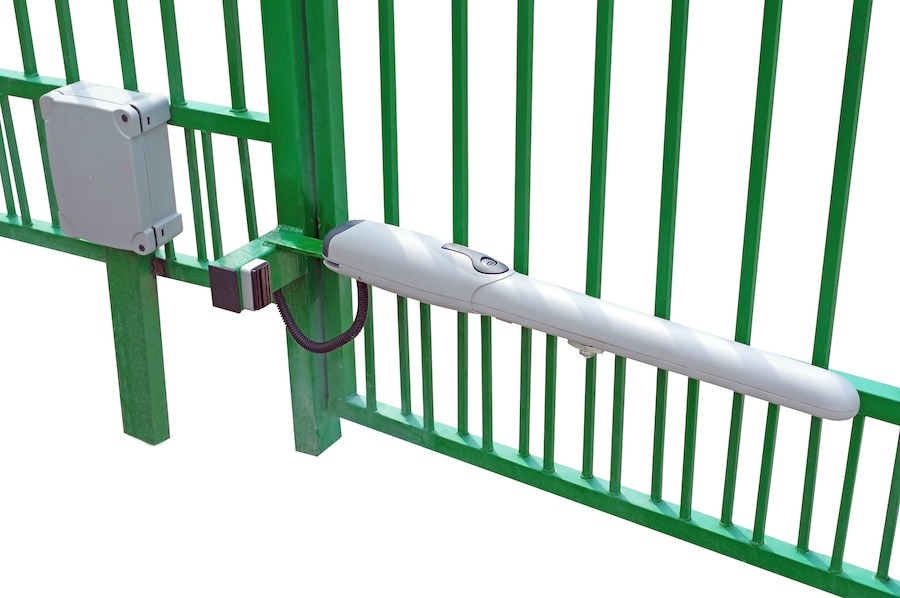
For property owners in Las Vegas, Henderson, Pahrump, and the broader Las Vegas Valley, the desert environment shapes how these gates age. Heat, dust, and wind are not occasional factors but constant companions. Understanding that self-closing behavior is maintained rather than guaranteed helps set realistic expectations.
Questions about self-closing pedestrian gates often connect to broader decisions about how a property manages access, security, and day-to-day foot traffic. Whether the project involves a new installation, updates to an existing system, or resolving performance issues with a gate that no longer closes properly, the pedestrian entry point typically functions as part of a larger access control strategy. DNG Automatic Gates has served property owners throughout the Las Vegas Valley for more than 12 years, with owner Dave Williams bringing over 25 years of hands-on industry experience to pedestrian gate installation, repair, and system integration.
Factors such as gate alignment, closing hardware, access control compatibility, traffic patterns, and long-term exposure to Southern Nevada conditions can all affect how reliably a pedestrian gate performs over time. Property owners considering installation, repairs, upgrades, or broader access control evaluation may benefit from discussing how those conditions apply to their specific property and operational needs. Consultations and system evaluations are available for those seeking additional guidance, and a free estimate can be requested through the DNG Gates Contact Page or by calling (702) 505-3107.


