

An automatic gate stays reliable over the long term when its moving parts, safety devices, and electrical components are treated as one working system and checked on a regular basis. In the Las Vegas area, where heat, dust, and wind affect outdoor equipment year-round, understanding what actually needs attention helps property owners avoid unexpected failures and costly repairs.
This guide explains the key areas of automatic gate maintenance in practical terms, helping homeowners and property managers recognize what matters most for keeping these systems running smoothly.
For a broader look at how automatic gate installation and service works in real-world conditions, the principles covered here apply whether a system is newly installed or has been in operation for years.
Understanding What Makes Up an Automatic Gate System
Many people think of an automatic gate as simply a motor attached to a metal panel, but the reality involves more components working together than most owners realize at first. The gate structure itself, whether swing or slide, carries most of the physical load and stress from daily movement. The operator, sometimes called the motor, provides the force to move that structure, but it depends on hinges, rollers, tracks, chains, or belts to translate that force into smooth motion.
Beyond the mechanical side, control boards coordinate timing and response, while safety sensors like photo eyes and edge detectors determine when the gate should stop or reverse. Access controls such as keypads, remotes, card readers, or intercoms add another layer of electronics that must communicate reliably with the rest of the system.
When any one of these components starts to wear or drift out of specification, the effects ripple through the entire system. A binding hinge makes the operator work harder. A misaligned photo eye causes unexpected reversals. A dusty control board may produce erratic behavior that seems random but actually follows a pattern once the underlying cause is identified.
In Southern Nevada, the combination of direct sun, high temperatures, blowing dust, and occasional wind loads means these components face conditions that accelerate wear compared to milder climates. Lubricants dry out faster. Plastic housings and rubber seals crack and fade. Grit works its way into tracks and roller assemblies.
Recognizing that an automatic gate is a complete system rather than a single device helps frame why maintenance involves more than just checking whether the motor runs.
What Regular Maintenance Actually Involves
A practical maintenance approach focuses on three main areas: mechanical movement, safety response, and electrical condition. Each area has specific things to watch for that indicate whether the system is operating within normal parameters or starting to show signs of developing problems.
For mechanical movement, the primary concern is whether the gate travels smoothly through its full range without binding, scraping, or hesitation. Hinges on swing gates should pivot freely without resistance or play. Rollers and wheels on slide gates should turn without grinding or flat spots. Tracks need to stay clear of debris and properly aligned so the gate does not jump or drag during operation.
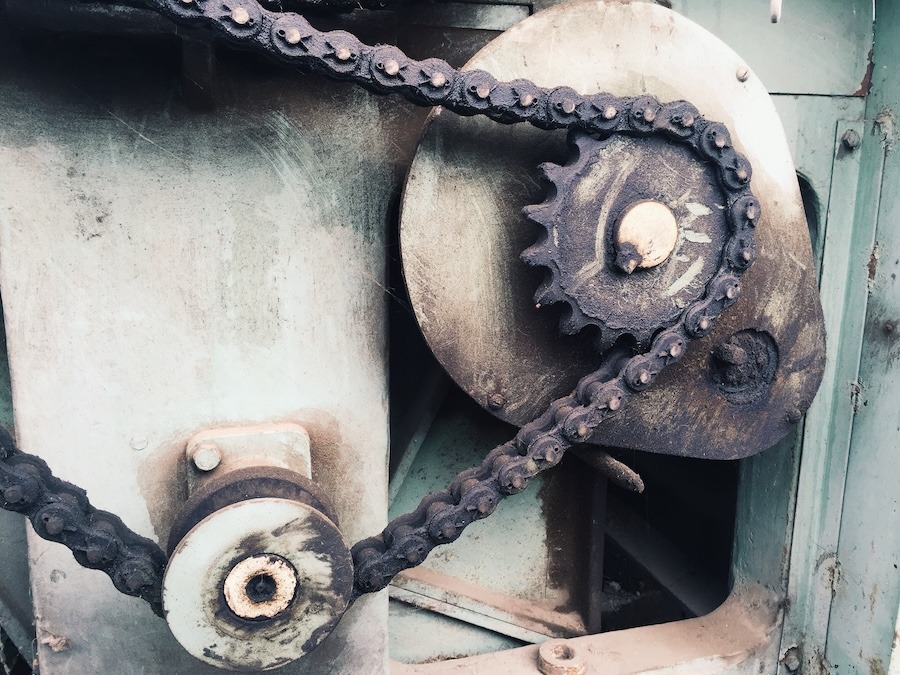
Chains and belts stretch over time and may need adjustment to maintain proper tension. When these components become loose, the gate may hesitate at startup, drift when stopping, or produce slack that creates noise and uneven wear on other parts.
Safety devices require their own attention. Photo eyes work by sending a beam across the gate opening, and if that beam is blocked or the sensors become misaligned, the gate may reverse unexpectedly or fail to detect obstructions. Dust accumulation on sensor lenses is common in desert conditions and can reduce sensitivity over time. Edge sensors that detect contact also need periodic checks to confirm they still trigger a stop or reversal when activated.
Electrical components, including the operator, control board, and wiring connections, benefit from visual inspection for signs of heat damage, corrosion, or loose terminals. Enclosures that house these components should remain sealed against dust and moisture as much as their design allows.
How Desert Conditions Affect Gate System Wear
Las Vegas, Henderson, Pahrump, and surrounding areas share a climate that places specific demands on outdoor mechanical and electrical equipment. Understanding these demands helps explain why maintenance intervals that work in other regions may not fully apply here.
High temperatures cause lubricants to break down and evaporate faster than they would in cooler climates. Hinges, bearings, and roller assemblies that were properly lubricated at installation can become dry and start binding within months rather than years if not re-lubricated on a reasonable schedule. When metal components run dry, friction increases, which generates additional heat and accelerates wear on both the hardware and the operator driving it.
Direct sun exposure affects plastic and rubber components in ways that may not be immediately obvious. Control board enclosures, sensor housings, and weather seals can crack, warp, or become brittle over time. Once protective housings are compromised, dust and moisture have easier access to sensitive electronics inside.

Wind loads place stress on large gate panels, especially slide gates with significant surface area. A gate that moves smoothly on a calm day may bind or strain against its track when wind pushes against the panel during operation. Over time, repeated wind loading can bend or shift hardware that was originally installed square and level.
Dust infiltration is perhaps the most persistent factor. Fine desert grit works into tracks, collects on rollers, and coats sensor lenses. This accumulation happens gradually, so the effects often show up as slowly worsening performance rather than sudden failure. An owner might notice the gate seems a little slower this month than last, or that it makes a new scraping sound during part of its travel.
Residential Versus Commercial Maintenance Expectations
The frequency and scope of maintenance checks depend partly on how heavily the system is used.
A residential driveway gate that opens and closes a handful of times per day faces different demands than a commercial entrance serving dozens or hundreds of cycles daily.
Residential systems typically experience fewer mechanical cycles, which can mean longer intervals between significant wear.
However, these systems often sit exposed to the elements for extended periods between uses, and homeowners may not notice gradual changes in performance until something clearly fails. A gate that gets used twice a day may develop a slow-building issue over months that a high-traffic commercial gate would reveal within weeks.
Commercial and multi-tenant systems run more cycles, which means mechanical wear accumulates faster. Operators rated for residential duty may struggle to keep up with commercial traffic volumes, leading to earlier failures if the system was not originally specified for heavy use. Access control integration adds another layer, since card readers, intercoms, and credential management systems create additional points where communication errors or component failures can affect gate operation.
In shared environments like gated communities or business parks, automatic gates become part of daily life for many people. When a commercial gate slows down, hesitates, or goes out of service, the effects are immediate and visible. Vehicles back up, residents or employees are delayed, and the interruption creates pressure to restore service quickly. This visibility often drives more consistent maintenance attention than a private residential gate receives, simply because problems cannot go unnoticed for long.
Recognizing Early Warning Signs Before Failures Occur
Most automatic gate problems develop gradually rather than appearing without warning. Learning to recognize early signs of trouble helps owners address issues before they escalate into breakdowns or safety concerns.
Changes in sound are often the first indicator. A gate that previously operated quietly but now produces grinding, scraping, or clicking noises is communicating that something in its mechanical path has changed. The specific sound can help narrow down where to look, whether at hinges, rollers, chains, or the operator itself.
Changes in speed or smoothness also signal developing issues. A gate that hesitates at startup, moves more slowly than it used to, or stutters through part of its travel may have binding hardware, a slipping chain or belt, or an operator working harder than it should. These symptoms tend to worsen over time if the underlying cause is not addressed.
Inconsistent response to commands, such as a remote that works sometimes but not others, can indicate issues with access control components, wiring connections, or interference. In some cases, the problem traces back to batteries in handheld remotes, but when behavior remains erratic after changing batteries, further investigation is warranted.

Unexpected reversals, where the gate stops and changes direction without visible cause, often point to safety sensor issues. Dirty or misaligned photo eyes, damaged edge sensors, or wiring faults can all produce this behavior. While the reversing action itself is a safety feature working as designed, the underlying cause still needs attention.
With more than 12 years serving the Las Vegas Valley and over 25 years of hands-on industry experience behind its work, DNG Automatic Gates has seen how these patterns develop across a wide range of residential and commercial systems. Recognizing what early symptoms mean in practice comes from years of field experience diagnosing and repairing gates in local conditions.
When to Request a Professional Evaluation
If you are noticing changes in how your automatic gate operates, or if it has been some time since the system received a thorough inspection, a professional evaluation can help identify what needs attention before small issues become larger problems. Property owners considering installation, repair, or upgrades benefit from understanding their specific system’s condition and what maintenance approach makes sense going forward.
For additional information or to discuss your situation, visit the DNG Gates Contact Page or call (702) 505-3107. A free estimate is available for those interested in learning more about keeping their automatic gate system reliable and safe over the long term.


