
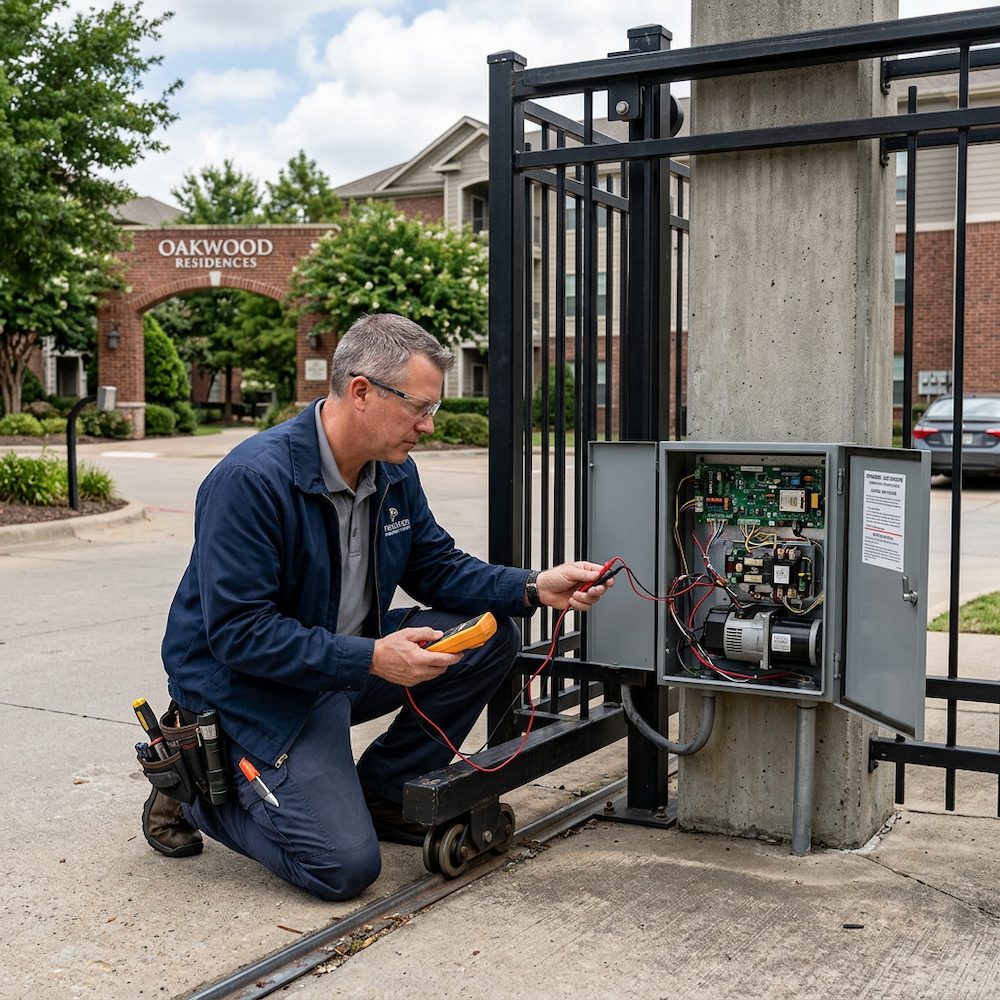
The typical life expectancy of a gate motor ranges from 10 to 20 years depending on installation quality, environmental conditions, and maintenance consistency. Understanding what influences this lifespan helps property owners in Las Vegas and the surrounding valley make informed decisions about automatic gate systems and plan for long-term reliability.
Gate motor longevity is not a fixed number. It depends on how the system was installed, how often it cycles, and whether it receives regular service attention. In Southern Nevada, extreme heat and dust add stress that motors in milder climates do not face. These factors make proper installation and ongoing care especially important for property owners expecting dependable performance over many years.
How Installation Quality Affects Motor Lifespan
A gate motor’s potential lifespan begins at installation. When a motor is matched correctly to the gate’s size, weight, and usage frequency, it operates within its designed capacity. When it is undersized or improperly mounted, the motor works harder than intended on every cycle.
Overworking a motor accelerates wear on internal components. Gears, bearings, and electrical contacts degrade faster under continuous strain. A motor rated for lighter residential use will not last long on a heavy commercial gate that cycles dozens of times per day.
Proper alignment also matters. A motor that fights against a binding hinge or misaligned track expends extra energy. Over months and years, that added resistance shortens the motor’s functional life even if everything else is done correctly.
Wiring and electrical connections play a role as well. Loose connections create resistance, generate heat, and can cause intermittent failures that stress the motor’s control board. Clean, secure electrical work supports stable operation.
Experienced installers assess the full system before selecting a motor. Gate weight, swing or slide length, expected daily cycles, and environmental exposure all factor into the decision. Matching the motor to these real-world demands sets the foundation for a longer service life.
Environmental Factors in the Las Vegas Valley
Desert conditions in Southern Nevada present specific challenges for gate motor longevity. Extreme summer heat pushes motors to operate at elevated temperatures, which affects lubricants, seals, and electronic components.

Prolonged heat exposure can dry out internal lubricants faster than in moderate climates. When lubrication breaks down, metal-on-metal contact increases friction and wear. Motors in covered or shaded installations tend to fare better than those in direct sun exposure throughout the day.
Dust and fine sand particles are constant in the valley. These particles can infiltrate motor housings, especially on slide gate operators where the track runs along the ground. Accumulated debris creates drag and can work into moving parts over time.
Wind is another factor. High wind events force motors to push against added resistance. Swing gates in exposed locations experience this most directly. A motor working against sustained wind gusts on every cycle faces more strain than one in a sheltered position.
Properly sealed motor housings help reduce dust infiltration. Regular cleaning of tracks, rollers, and surrounding areas limits how much debris reaches critical components. These practical steps extend motor life in ways that compound over years of operation.
The Role of Maintenance and Service Intervals
Routine maintenance is the most controllable factor in gate motor lifespan. A motor that receives regular service attention will outlast one that is installed and forgotten.
Basic maintenance includes lubricating hinges, rollers, and chains according to manufacturer guidelines. It also involves inspecting electrical connections, testing safety sensors, and checking for signs of wear on moving parts.
Service intervals depend on usage. A residential gate that cycles a few times per day needs less frequent attention than a commercial entrance handling dozens of vehicles hourly.
High-cycle systems benefit from quarterly inspections, while lighter-use residential gates may need service once or twice per year.
Catching small issues early prevents larger failures. A roller showing wear can be replaced before it causes the motor to strain. A loose connection can be tightened before it creates voltage irregularities. These small interventions preserve motor health.
Neglected systems tend to fail suddenly and often at inconvenient times. Property owners who maintain service schedules experience fewer emergency breakdowns and more predictable operating costs over the life of the system.
Differences Between Residential and Commercial Motor Expectations
Residential gate motors and commercial operators are built for different demands. Understanding these differences helps set realistic expectations for lifespan.
Residential motors are typically designed for lower cycle counts. A home driveway gate may cycle ten to twenty times per day. Motors rated for this level of use are smaller, quieter, and less expensive than commercial units.
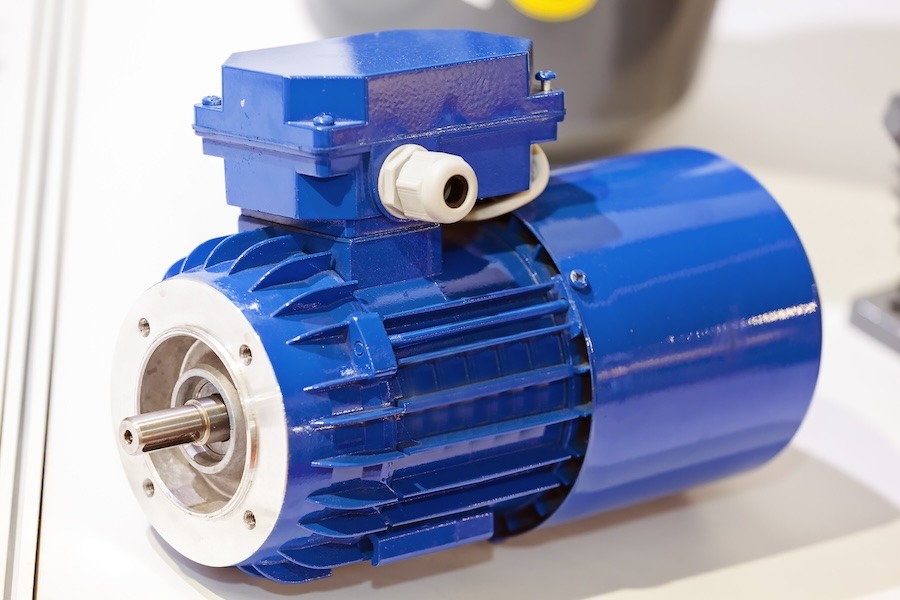
Commercial gate motors handle higher volumes. A gated business entrance or multi-tenant property may see fifty, one hundred, or more cycles daily. These operators use heavier-duty components, larger motors, and more robust control boards to handle sustained use.
Using a residential-grade motor on a high-traffic commercial gate shortens its life significantly. The motor will cycle beyond its design limits and wear out faster than expected. Matching the motor class to actual usage protects the investment.
Commercial operators also tend to offer more serviceable designs. Components can often be rebuilt or replaced individually rather than requiring full motor replacement. This modularity supports longer effective service life in demanding applications.
When Replacement Becomes the Practical Choice
Even with proper installation and consistent maintenance, gate motors eventually reach the end of their functional life. Recognizing the signs helps property owners plan for replacement before complete failure occurs.
Slower operation is an early indicator. If a gate that once opened smoothly now hesitates or moves unevenly, the motor may be losing efficiency. Increased noise during operation can signal worn gears or bearings.
Frequent resets or intermittent failures suggest control board issues. These can sometimes be repaired, but recurring problems often point toward broader system fatigue.
At some point, repair costs approach or exceed the value of a new motor. When a motor requires multiple repairs within a short period, replacement becomes the more practical path forward.
Modern gate motors also offer improved efficiency, quieter operation, and better integration with access control systems. Property owners replacing older motors often gain features that were not available when the original system was installed.
Considering a Gate Motor Evaluation
Property owners in Las Vegas, Henderson, Pahrump, and throughout the Las Vegas Valley who want to understand the condition of their current gate motor or plan for a new installation can request a consultation to discuss their specific situation.
DNG Automatic Gates has served the region for more than 12 years, and owner Dave Williams brings over 25 years of hands-on industry experience to every evaluation. Whether assessing an aging system or planning a new installation matched to local conditions, the goal is long-term reliability and practical performance.
A free estimate is available for those considering installation, repair, or system upgrades. Visit the DNG Gates Contact Page or call (702) 505-3107 to discuss your gate motor questions or schedule an evaluation.


