
?
A telephone entry system is the communication and access control device mounted at a secured gate or door that allows visitors to call an owner, tenant, or staff member, who can then remotely open the entry when appropriate. In real-world automatic gate setups around Las Vegas, these systems function as the bridge between the person standing at the gate and the equipment that physically opens it. Their usefulness comes down to how clearly they connect people and how reliably they trigger the gate over time.
This article explains what telephone entry systems actually do, how they hold up in practice, and what matters most when deciding whether one fits your property.
Why Property Owners Ask About Telephone Entry Systems
Many property owners know they want their gate to feel secure, but they are not always sure what role a telephone entry system actually plays. Some wonder if it is more than just another keypad or if it adds meaningful function to their setup.
Others worry that visitors will be stuck outside if the system fails. They picture a delivery driver pressing buttons that do not respond or a guest unable to reach anyone inside. These concerns are reasonable, especially when the equipment sits outdoors in the Las Vegas Valley’s heat, dust, and wind year after year.
There is also uncertainty about whether the same type of system makes sense for a small residential driveway and a busy commercial entrance. Property owners do not want to overcomplicate something that should be simple, but they also do not want to underestimate what their gate actually needs to handle.
These questions tend to come up when someone is planning a new gate installation, upgrading an older system, or troubleshooting access issues that have developed over time. The answers depend less on technical specifications and more on how the system will be used day after day.
How a Telephone Entry System Actually Works
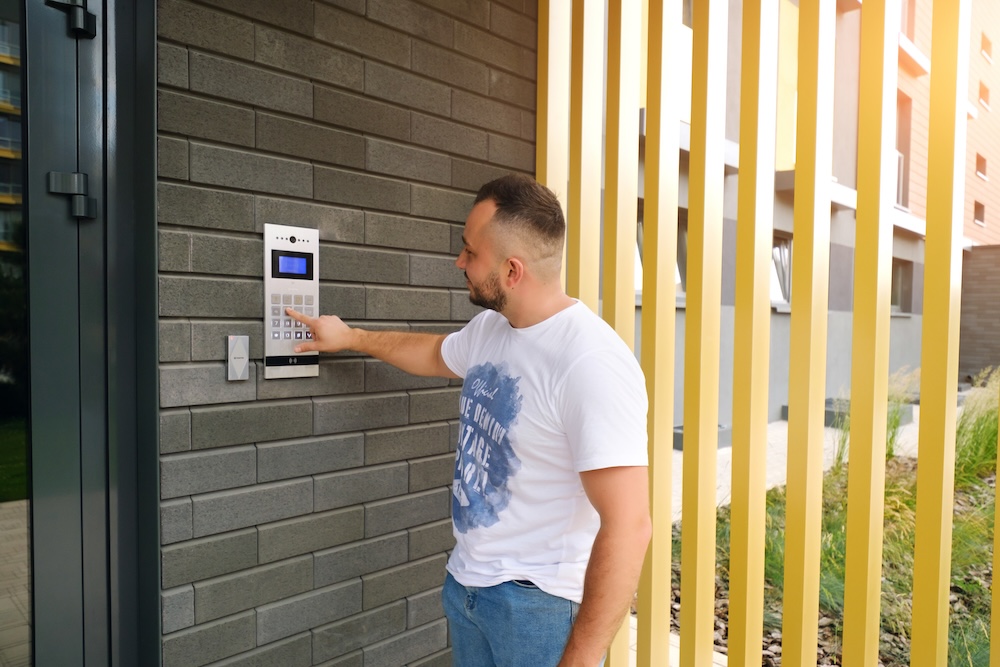
A telephone entry system sits at the gate or door and gives visitors a way to request access instead of relying only on codes, cards, or remote controls. When someone arrives, they use the keypad or directory to call an owner, tenant, or office.
The system connects that call, and if the person inside agrees, it sends a signal to the gate operator to open. This is fundamentally different from a basic keypad or card reader, which simply accepts a credential and triggers the gate without any live communication.
The telephone entry system is built around conversation. The person inside can confirm who is at the entrance before allowing the gate to move. They can ask questions, verify the visitor’s identity, or decline access entirely.
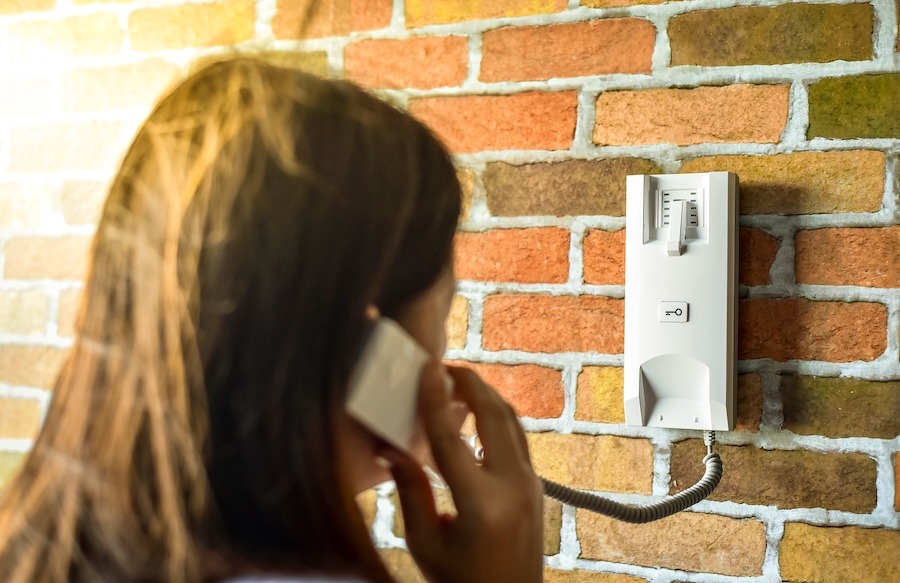
In both residential and commercial properties, this device is one component of a larger access control setup. It works alongside the gate operator, safety sensors, and everyday credentials like remotes or fob readers that regular occupants use for routine entry and exit.
The telephone entry unit handles visitor access specifically. Residents or employees typically bypass it entirely with their own remotes or codes. The system is there for the people who do not have those credentials and need someone inside to authorize their entry.
What Matters Most for Long-Term Performance
For most property owners, the important questions are less about features and more about everyday reliability. They want a telephone entry system that continues to work after years of sun, heat, dust, and wind.
In the Las Vegas Valley, outdoor electronics face constant stress. Temperatures swing from cold desert nights to extreme summer heat. Dust settles into housings and keypads. Wind carries debris against exposed surfaces. These conditions wear on components that were not built to handle them.
Buttons, keypads, and displays need to remain functional despite repeated use and UV exposure. Audio quality must stay clear enough for visitors and occupants to communicate without frustration. When a guest cannot understand the person they called, or when calls fail to connect at all, the system becomes a barrier rather than a tool.
Visitors also need to figure out how to use the system quickly. They should be able to find the right listing in a directory, place a call, and wait for the gate to open without confusion. Layouts that are difficult to read or interfaces that require too many steps create problems for everyday visitors, delivery drivers, and service providers.
In residential settings, the system typically handles occasional visitors and deliveries. The call volume is lower, and owners tend to value straightforward communication and ease of use for guests.
In commercial and multi-tenant properties, the demands are different. Higher call volume, frequent code use, and larger user directories put more stress on the system. Reliability under heavier use and clear directory organization become more critical.
Over the long term, owners are affected by how well the unit’s components hold up. Worn keypads, faded displays, corroded contacts, and intermittent call failures are common aging patterns, especially for units that were not designed for harsh outdoor conditions or that have not received periodic maintenance.
Common Misunderstandings About These Systems
Many misunderstandings about telephone entry systems start with expectations that do not match how these devices really work in practice.
Some people believe that adding a telephone entry system alone will secure a property. In reality, it is one layer in a broader setup that includes the gate’s construction, the operator that moves it, and the safety sensors that protect people and vehicles during gate movement. The telephone entry system controls visitor access, but overall security depends on how all these components work together.
Others treat telephone entry systems as one-time purchases that will never need attention. Outdoor electronics, keypads, and housings naturally wear over time. In Southern Nevada’s climate, this process can happen faster than owners expect. Periodic checks, cleaning, and timely repairs help extend the life of the unit and keep daily access running smoothly.
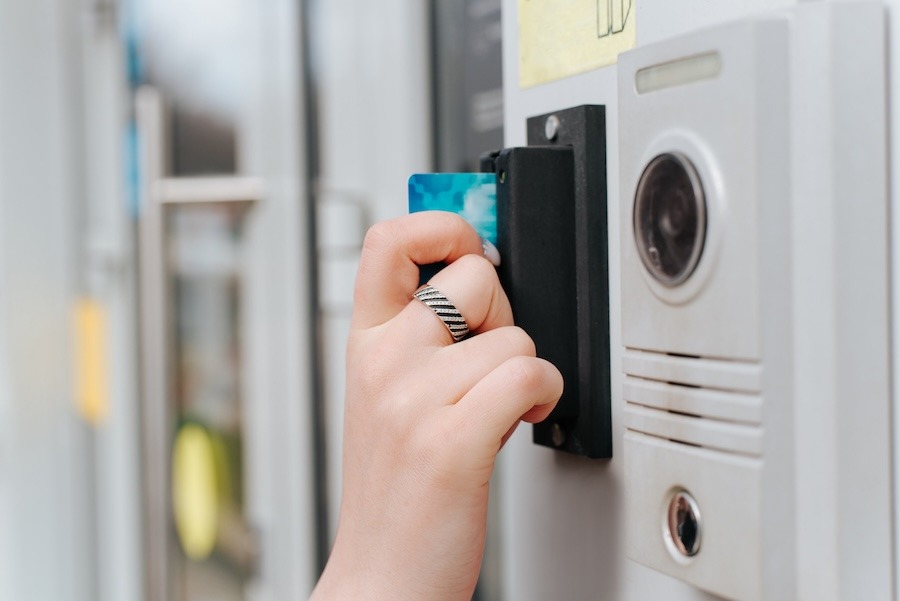
It is also common to confuse a telephone entry system with a simple keypad or card reader. Those devices accept credentials or codes, but they do not place calls or let you speak with visitors. A telephone entry system specifically involves a communication function, which is what distinguishes it from other access control devices.
Finally, there is a tendency to assume that a single style of system is right for every property. A small home driveway and a busy commercial entrance put very different demands on call handling and daily durability. The right fit depends on how the property is actually used, not on what looks impressive at first glance.
How This Shows Up in Everyday Use
On a day-to-day basis, a telephone entry system is the box at the gate that visitors walk or drive up to when they do not have a remote or code. They press buttons, scroll a directory, or enter a code to place a call, talk with someone inside the property, and wait for the gate to open.
When the system is working well, calls go through without delay, voices are clear on both ends, and the gate responds consistently after access is granted. The process feels simple and unremarkable, which is exactly how it should work.
When it is not working well, people notice. Stuck buttons, faded displays, muffled audio, and calls that fail to connect create frustration for visitors and occupants alike. These issues are often made worse by long-term exposure to heat, dust, and wind that degrades components gradually over time.
Older units frequently show worn keypads or intermittent electronics that still function but require more attention. Owners may find themselves explaining workarounds to visitors or dealing with complaints about access difficulties. These patterns often signal that the system is approaching the end of its reliable service life.
The telephone entry system shapes how visitors experience the entrance to a property. When it works, it is invisible. When it does not, it becomes the first thing everyone notices.
Understanding What a Telephone Entry System Can and Cannot Do
Seeing a telephone entry system as the communication link at a secured gate or door makes it easier to set realistic expectations. It does not replace the need for a well-installed, safe, and reliable gate operator. It does not make a property fully secure on its own.
What it does is shape how visitors experience the entry and how easily owners can control who comes in. It provides a layer of verification and communication that simple keypads and card readers cannot offer.
With that perspective, the question becomes less about whether a telephone entry system is nice to have and more about how its day-to-day performance, durability, and ease of use line up with how a particular property is actually used.
DNG Automatic Gates has served the Las Vegas Valley for more than 12 years, and owner Dave Williams brings over 25 years of hands-on industry experience to every project. If you are considering installation, repair, or upgrades to your automatic gate system, you are welcome to request a consultation or evaluation.
For a free estimate or to discuss your specific situation, visit the DNG Gates Contact Page or call (702) 505-3107.


