
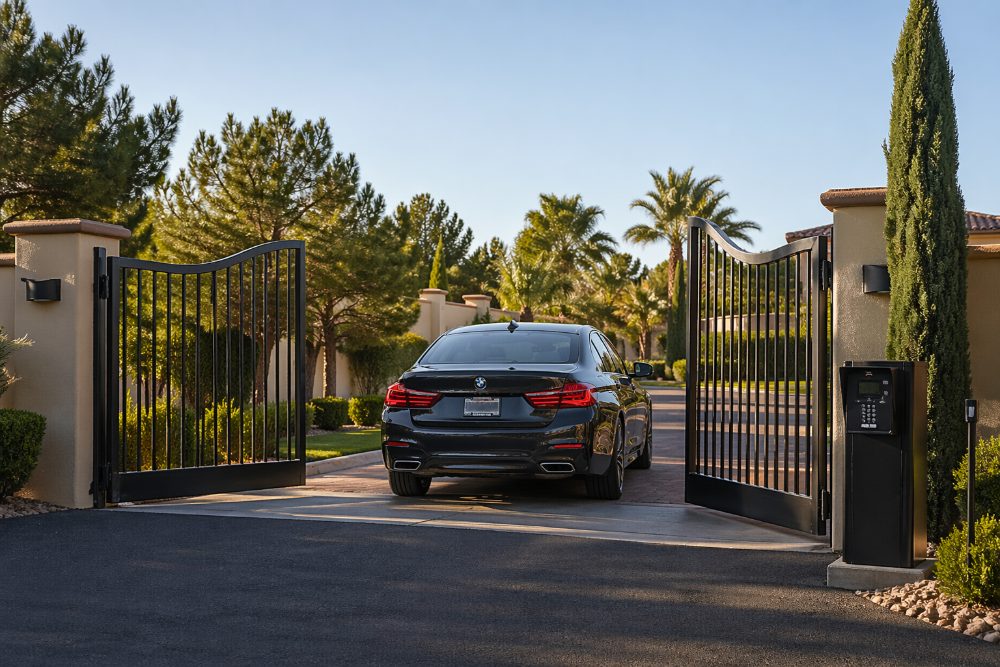
For property owners in Las Vegas and the surrounding valley, automatic gates offer genuine convenience and security, but the honest answer depends on understanding what these systems actually face in Southern Nevada’s desert environment. Dust, wind, and extreme heat create conditions that demand more from gate systems than most people expect. With proper installation and realistic maintenance expectations, automatic gates deliver reliable long-term value, though they are not the set-it-and-forget-it solution some might hope for.
This article breaks down what actually happens with automatic gate systems in our local climate, what drives costs over time, and how to think through whether the investment makes sense for your property.
How Desert Conditions Affect Automatic Gate Systems
Automatic gates in the Las Vegas Valley operate under environmental stress that simply does not exist in milder climates. Understanding this reality is the starting point for evaluating whether a gate system fits your needs.
Fine desert dust is constant here. It infiltrates every moving component, including rollers, tracks, hinges, and the motor housing itself. Over time, this dust mixes with lubricants to form an abrasive paste. That paste grinds against metal surfaces with every open-and-close cycle, accelerating wear on parts that would last years longer in less demanding environments.
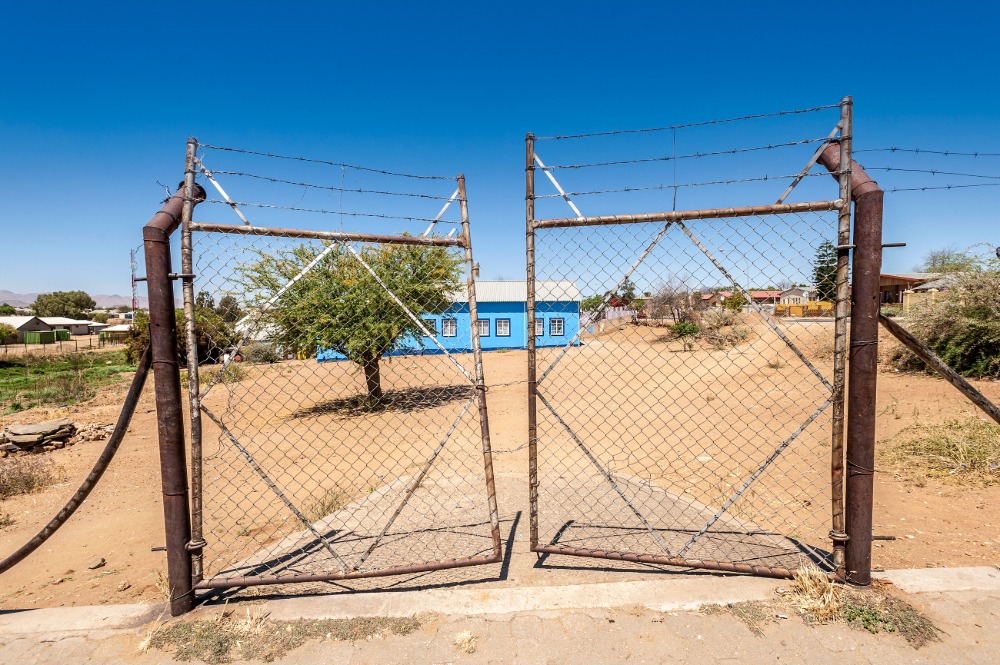
Seasonal winds add another layer of stress. From March through June, gusts regularly exceed 40 mph across the valley. These winds flex gate panels, strain hinges, and push components out of alignment. A gate that operated smoothly in January may grind or hesitate by May.
Low humidity, often dropping below 10 percent, creates static electricity buildup that interferes with electronics. Safety sensors, control boards, and remote receivers are all vulnerable. The result can be intermittent operation, false reversals where the gate stops or changes direction unexpectedly, or complete component failure.
Extreme summer heat strains motors and shortens the lifespan of electrical components. A motor working in 115-degree temperatures operates under very different conditions than one in a moderate climate.
None of this means automatic gates are impractical here. It means realistic expectations must account for these factors from the start.
What Reliable Performance Actually Requires
Reliability in an automatic gate system does not come from the initial purchase alone. It comes from proper installation, appropriate component selection, and consistent maintenance tailored to local conditions.
Proper installation matters more in Southern Nevada than in many other regions. Gate posts and operators need to handle wind loads that would be unusual elsewhere. Tracks must be set with precision because even minor misalignment compounds quickly when dust and wind are constant factors. Electrical connections require protection from both heat and the fine particulate that gets into everything.

Component selection also makes a difference. Residential gates are typically lighter and designed for lower traffic. They work well for single-family homes but flex more easily under wind stress. Commercial-grade systems handle higher cycle counts and greater physical demands, but they still require upkeep appropriate to the environment.
Maintenance intervals here are shorter than what manufacturers based in other regions might suggest. Clearing debris from around operators and sensors is not optional. Checking track alignment after wind season prevents small issues from becoming expensive repairs. Inspecting lubricant condition helps catch that grinding paste before it causes real damage.
With attention to these factors, automatic gates perform reliably for years. Without them, systems degrade faster than owners expect, and repair costs accumulate.
Weighing Convenience, Security, and Long-Term Costs
The practical value of an automatic gate comes down to three factors: daily convenience, security improvement, and what the system costs over its lifespan.
Convenience is straightforward. Not having to exit a vehicle to open a gate, especially in summer heat or during dust storms, has real value. For properties with frequent visitors or delivery traffic, automated access simplifies daily operations. Remote access and integration with intercom or access control systems add functional benefits for both residential and commercial properties.
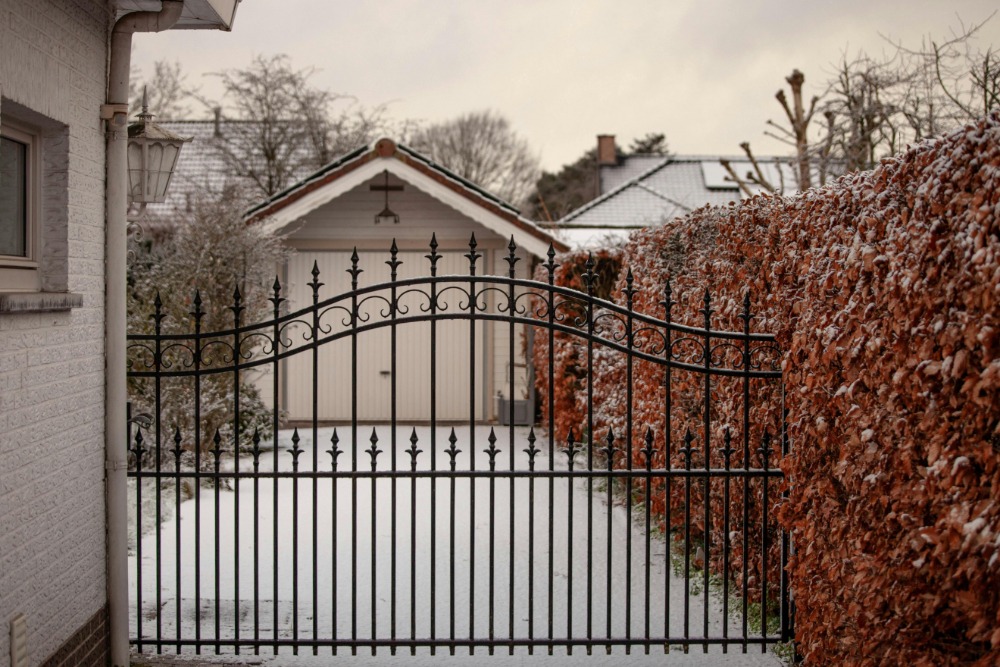
Security depends on consistent mechanical function. A gate that closes reliably every time provides genuine access control. A gate that hesitates, fails to latch, or reverses unexpectedly undermines that purpose. In Las Vegas, where dust and static can impair sensors, maintaining safety devices is directly connected to maintaining security.
Long-term costs are where expectations often diverge from reality. The initial investment in an automatic gate system is only part of the picture. Ongoing maintenance, periodic part replacement, and occasional repairs are standard. Properties that neglect routine upkeep tend to see premature failures, higher repair bills, and shorter overall system lifespan.
The question is not whether these costs exist but whether they are proportional to the value received. For many property owners, the answer is yes, provided they plan for realistic maintenance from the beginning.
Common Misunderstandings About Automatic Gates
Several persistent beliefs about automatic gates do not hold up well under local conditions. Addressing these directly helps set appropriate expectations.
The most common misunderstanding is that automatic gates require minimal attention once installed. In moderate climates, this might be closer to true. In Southern Nevada, dust and static create ongoing maintenance needs that are routine, not exceptional. Ignoring them leads to problems.
Another assumption is that all automatic gates perform similarly regardless of grade. Residential gates are engineered for lighter use and lower stress. Commercial systems are built for higher traffic and greater physical demands. Expecting a residential gate to handle commercial conditions, or to withstand wind loads it was not designed for, leads to disappointment and early failure.
Static interference is often dismissed as rare or unusual. In our dry climate, it is neither. Remote controls that work inconsistently, safety sensors that give false readings, and control boards that behave erratically are frequently traced to static buildup. This is a known factor, not a mystery.
Understanding these realities helps property owners make informed decisions rather than relying on assumptions that do not match local conditions.
How This Shows Up in Daily Use
Day-to-day experience with an automatic gate in the Las Vegas Valley reflects the environmental factors already described. Knowing what to expect helps separate normal operation from signs of developing problems.
During dry spells, gates may hesitate or produce grinding sounds as dust paste accumulates on rollers and tracks. This is a maintenance cue, not a failure. Clearing debris and refreshing lubrication typically restores smooth operation.
After wind events, particularly during the March-through-June peak season, panels may shift out of alignment. The result is noisy operation, incomplete closures, or increased strain on the motor. Addressing alignment early prevents compounding damage.
Remote control issues often trace to static buildup rather than battery failure or mechanical problems. In persistent cases, grounding adjustments or component shielding may be necessary.
Dust storms can coat outdoor operators quickly, and motors working in extreme heat are under greater stress. Properties with some natural or constructed shading around gate components may see modest benefits, though airflow must remain adequate.
Residential properties tend to notice sensor issues earlier because lighter systems are more sensitive to environmental interference. Commercial sites often see repeated stress on larger gate panels from wind, requiring more frequent structural checks.
These patterns are predictable. Recognizing them allows property owners to stay ahead of problems rather than reacting to failures.
Evaluating Whether an Automatic Gate Fits Your Property
The decision to install or upgrade an automatic gate should start with an honest assessment of what the system will face and what you are prepared to maintain.
Properties with high traffic or frequent access needs benefit most from automation. The convenience adds up quickly, and the security value is tangible when the system operates reliably.
Properties exposed to greater wind or dust, such as those on the valley’s edges or in less developed areas, should anticipate higher maintenance demands. This does not rule out automatic gates, but it should inform component selection and maintenance planning.
Budget considerations should include not just the initial installation but realistic ongoing costs. A well-maintained system delivers years of reliable service. A neglected system becomes a source of frustration and expense.
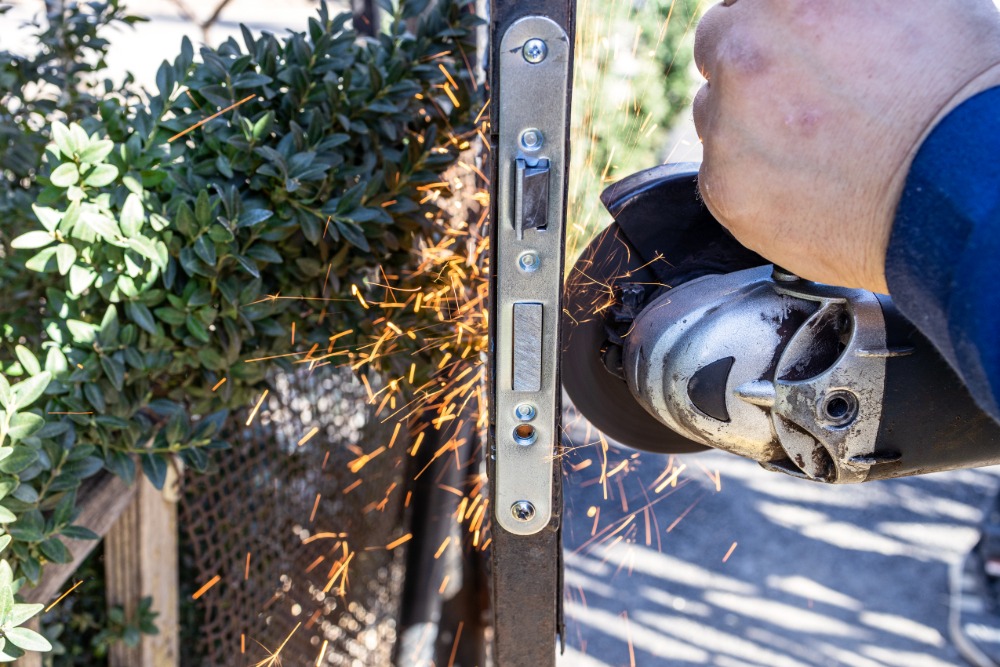
Professional installation matters. Improper setup amplifies every environmental challenge and leads to problems that should have been avoidable. Experience with local conditions, not just general gate installation, makes a meaningful difference in outcomes.
If you’re weighing whether an automatic gate is worth the investment, getting expert input can make the decision much clearer. DNG Automatic Gates has served the Las Vegas Valley for over 12 years, with owner Dave Williams bringing more than 25 years of hands-on experience to every project—ensuring systems that are built to perform and last.
Whether you’re considering a new installation, an upgrade, or repairs, a quick consultation can help you understand what makes sense for your property and what to realistically expect.
A well-executed installation is the difference between constant headaches and years of reliable, secure access. Partner with a trusted local team known for quality craftsmanship and dependable service.
Ready to take the next step? Contact DNG Gates today at 702-747-5101 or visit DNGGates.com/contact to schedule your consultation.


