

An automatic gate can add measurable value to a Las Vegas home, typically in the range of 1 to 5 percent when the system remains in good working condition. The increase stems from enhanced security perception, improved curb appeal, and the privacy these systems provide at the property boundary. However, the value contribution depends heavily on operational reliability, which in Southern Nevada requires consistent attention to desert dust, extreme heat, and wind exposure. Understanding how automatic gates perform in real-world conditions helps property owners evaluate whether the investment aligns with their goals.
How Automatic Gates Influence Property Value in Practice
The connection between automatic gates and home value centers on functionality rather than presence alone. Real estate appraisers and buyers respond to systems that work reliably and appear well-maintained, not simply to the existence of a gate at the driveway entrance.
In suburban markets like those throughout the Las Vegas Valley, automatic gates signal a level of property investment that resonates with security-conscious buyers. The controlled access point creates a clear boundary that appeals to families and professionals seeking privacy without sacrificing convenience.

The 1 to 5 percent value increase represents a moderate but meaningful contribution. On a home valued at $500,000, that translates to $5,000 to $25,000 in potential added value. The range exists because condition matters significantly.
A gate that operates smoothly, responds quickly to controls, and shows no visible wear contributes positively. A system with faded finishes, sluggish response, or intermittent failures can actually detract from buyer interest.
Appraisers do not universally credit automatic gates with the same weight. Some view them as standard features in certain neighborhoods while others see them as upgrades. The operational state during inspection carries more influence than the original installation cost.
What Desert Conditions Do to Gate Systems Over Time
Las Vegas presents specific challenges that affect how automatic gates perform and age. The combination of caliche dust, temperatures exceeding 110 degrees Fahrenheit, and periodic high winds creates stress patterns not found in milder climates.
Desert dust contains fine particulates that infiltrate motor housings, coat sensors, and settle into track systems. Without regular cleaning, this buildup reduces operational efficiency by 15 to 30 percent. Photo-eye sensors become obscured, causing false readings or safety reversals that frustrate daily use.
Extreme heat accelerates wear on motor components. Systems in Southern Nevada accumulate the equivalent of 3,500 or more runtime hours annually, pushing motors toward their service limits faster than identical units in cooler regions. Lubricants break down, seals degrade, and electrical components experience thermal stress.
Wind adds another layer of concern. Gusts exceeding 20 miles per hour apply lateral force to gate panels, stressing hinges and causing alignment shifts over time. Swing gates face particular vulnerability, though slide gates can also experience track displacement during sustained wind events.
These environmental factors mean that a gate installed in Las Vegas requires roughly twice the maintenance attention compared to one in a moderate climate. Property owners who understand this reality can plan accordingly and preserve both function and value.
Why Maintenance Determines Whether Value Holds or Fades
The belief that automatic gates operate without attention represents one of the most common misunderstandings among homeowners. In desert conditions, this assumption leads directly to premature failure and lost value.
Systems benefit from service intervals of every three to six months in Southern Nevada. These visits address dust accumulation, lubrication needs, sensor alignment, and early detection of wear patterns. The cost runs approximately $500 annually, which preserves a system lifespan of 10 to 20 years.
Skipping maintenance cuts that lifespan dramatically. Motors that should last 15 years may fail in seven. Safety sensors that protect against entrapment become unreliable. Control boards exposed to dust infiltration develop intermittent faults.
When these failures occur close to a home sale, the impact on value reverses. Buyers see a liability rather than an asset. Repair estimates enter negotiations, often exceeding what preventive maintenance would have cost over years of ownership.
Modern safety standards require dual reversing mechanisms, including photo-eyes and sensing edges, to prevent entrapment injuries. Desert debris can disable these systems if not regularly cleared. A gate that fails a safety inspection creates both legal exposure and deal complications.
The practical reality is straightforward. Automatic gates hold and add value when they work correctly. They subtract value when they do not. The difference comes down to consistent upkeep adapted to local conditions.
How Gate Systems Perform in Daily Las Vegas Life
Day-to-day operation reveals how these systems interact with the environment and user expectations. Understanding typical use patterns helps property owners set realistic expectations.
Residential gates in the Las Vegas Valley typically cycle 10 to 50 times daily. Each open-close sequence exposes components to heat, dust, and mechanical stress. Over a year, that adds up to thousands of cycles under challenging conditions.
Remote controls and smartphone apps provide convenient access that homeowners appreciate. Pulling into the driveway and triggering the gate from inside the vehicle eliminates the need to exit into summer heat or winter wind. This convenience factor contributes to the perceived value buyers recognize.
Power outages require backup battery systems for continued operation. Properties without battery backup face manual release procedures that inconvenience residents and create security gaps during grid disruptions.
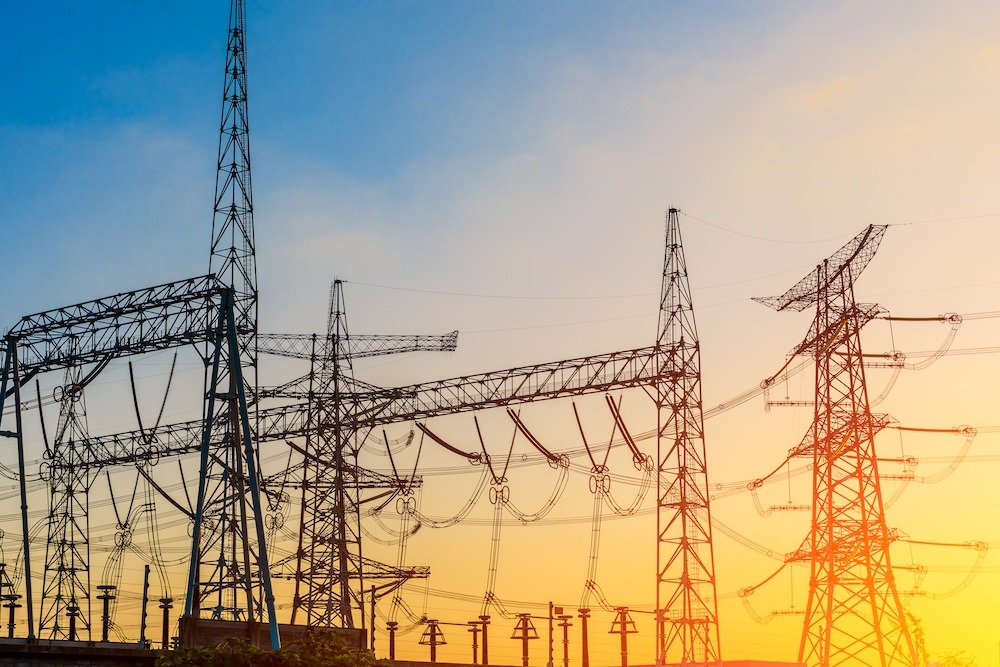
Dust storms present acute challenges. Fine particles bury tracks, coat sensors, and infiltrate enclosures in hours. Clearing debris promptly after weather events prevents the compounding damage that occurs when systems operate through accumulated material.
Summer heat triggers sensor glitches as components expand and thermal protection circuits activate. Quality installations account for these conditions with heat-tolerant ratings, but even well-designed systems benefit from shade structures or strategic positioning that reduces direct solar exposure.
Wind causes hinges to vibrate loose over time, particularly on swing gates with large surface areas. Regular inspection catches these issues before they progress to misalignment or binding that strains motors.
Connecting Gate Value to Professional Installation and Service
Questions about automatic gate value often arise when property owners in the Las Vegas Valley evaluate their options for installation, repair, or system upgrades. The connection between initial installation quality and long-term value retention is direct.
Proper installation accounts for the specific conditions a system will face. In Southern Nevada, that means dust-resistant motor enclosures, heat-tolerant components rated for sustained high temperatures, and wind-load specifications appropriate for local gust patterns. Undersized or improperly rated equipment fails faster and costs more over the ownership period.
Clark County requires UL 325-compliant safety devices on all automatic gate installations. Meeting code is not optional, and systems that lack compliant safety features create liability exposure and inspection failures.
Commercial installations face different demands than residential systems. Higher cycle counts, heavier gate panels, and multi-user access requirements call for industrial-grade operators and reinforced structural components. Applying residential equipment to commercial applications leads to rapid failure and replacement costs.
DNG Automatic Gates has served the Las Vegas Valley for more than 12 years, with owner Dave Williams bringing over 25 years of hands-on industry experience to every project. That depth of field knowledge translates to installations designed for how systems actually perform in desert conditions rather than theoretical specifications alone.
The value an automatic gate adds to a Las Vegas property depends on choosing the right system for the application, installing it correctly for local conditions, and maintaining it consistently against the dust, heat, and wind that define this region. Property owners considering installation or evaluating existing systems can request a consultation to discuss their specific situation and goals.


