
Electric gate batteries typically last between three and five years under normal conditions, though this range shifts significantly based on climate, usage patterns, and maintenance practices. For property owners in Las Vegas and the surrounding valley, the extreme desert environment plays a direct role in how long a backup battery will reliably hold a charge. Understanding what affects battery lifespan helps with planning replacements before a failure leaves a gate stuck open or closed at the wrong time.
Automatic gates rely on backup batteries to maintain operation during power outages and to support the control board between cycles. The following sections explain what determines how long these batteries actually last in real-world conditions and what property owners can do to get the most reliable performance from their systems.
What Type of Battery Powers Most Electric Gates
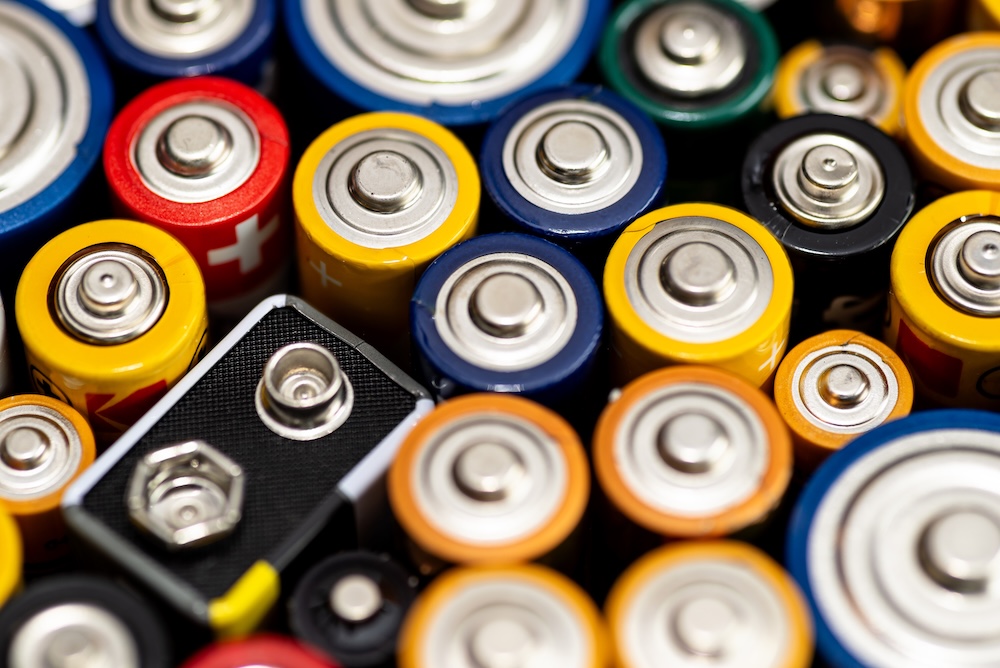
The majority of automatic gate systems use sealed lead-acid batteries, often referred to as SLA batteries. These are the same general type found in emergency lighting systems, uninterruptible power supplies, and alarm panels. They are chosen for gate applications because they hold a charge over extended periods, tolerate the trickle-charging cycle that gate control boards use, and remain relatively stable in outdoor enclosures.
Most residential gate operators use 12-volt batteries rated between 7 and 12 amp-hours. Commercial systems with heavier operators or higher cycle counts may use larger capacity batteries or multiple units wired together. The physical size and amp-hour rating affect how long the system can operate during a power outage, but the basic chemistry and lifespan characteristics remain similar across most installations.
Sealed lead-acid batteries do not require fluid maintenance like older flooded-cell batteries. However, they still degrade over time through normal chemical processes. Each charge and discharge cycle causes gradual sulfation on the internal plates. Eventually, the battery can no longer hold enough charge to support gate operation when main power is lost.
Lithium-based batteries are available for some newer gate systems and offer longer service life in certain conditions. However, most gate operators installed in the Las Vegas area over the past decade still use standard SLA batteries. Replacement availability and compatibility with existing control boards make SLA the practical choice for most residential and commercial systems.
How Desert Heat Affects Battery Longevity
High temperatures accelerate the chemical reactions inside lead-acid batteries. This means the battery works harder to maintain its charge level, even when the gate is not in use. In Las Vegas, where summer temperatures regularly exceed 110 degrees and operator enclosures can get significantly hotter, this effect is pronounced.
A battery rated for five years of service life in a moderate climate may last only two to three years when exposed to sustained desert heat. The internal plates degrade faster, electrolyte evaporation increases even in sealed units, and the overall capacity drops more quickly. Property owners who notice their gate responding more slowly during outages or failing to operate after brief power interruptions may be seeing the early signs of heat-related battery decline.
Enclosure placement matters. Operator housings mounted in direct afternoon sun or against west-facing walls absorb more heat and transfer it to internal components. Batteries inside these enclosures experience consistently higher temperatures than those in shaded or ventilated installations. Some commercial systems include vented enclosures or positioning strategies that reduce heat buildup, which can extend battery service intervals.
Ground-mounted operators, such as those used with sliding gates, often sit closer to heat-radiating surfaces like asphalt or concrete. This adds another layer of thermal stress. Swing gate operators mounted on pedestals or columns may have better airflow but still face the same ambient temperature challenges during peak summer months.
Usage Patterns and Charge Cycles
How often a gate opens and closes each day influences battery wear, though not as directly as many property owners assume. The primary drain on a gate battery comes from maintaining standby readiness, not from individual open-close cycles. The control board draws a small continuous current to keep sensors, receivers, and logic circuits active. This trickle load is managed by a charging circuit that keeps the battery topped off from main power.
However, each time the main power drops out, the battery takes over full system operation. Frequent short outages, even lasting only seconds, force the battery through partial discharge and recharge cycles. In areas of the Las Vegas Valley with inconsistent power delivery, this pattern adds wear that would not occur in a more stable electrical environment.
Gates with high daily cycle counts, such as those at apartment complexes, gated communities, or commercial facilities, do experience more mechanical wear on operators. The electrical load on the battery during each cycle is brief, but systems with very high usage may benefit from larger capacity batteries that handle the combined standby and operational demands with less strain.
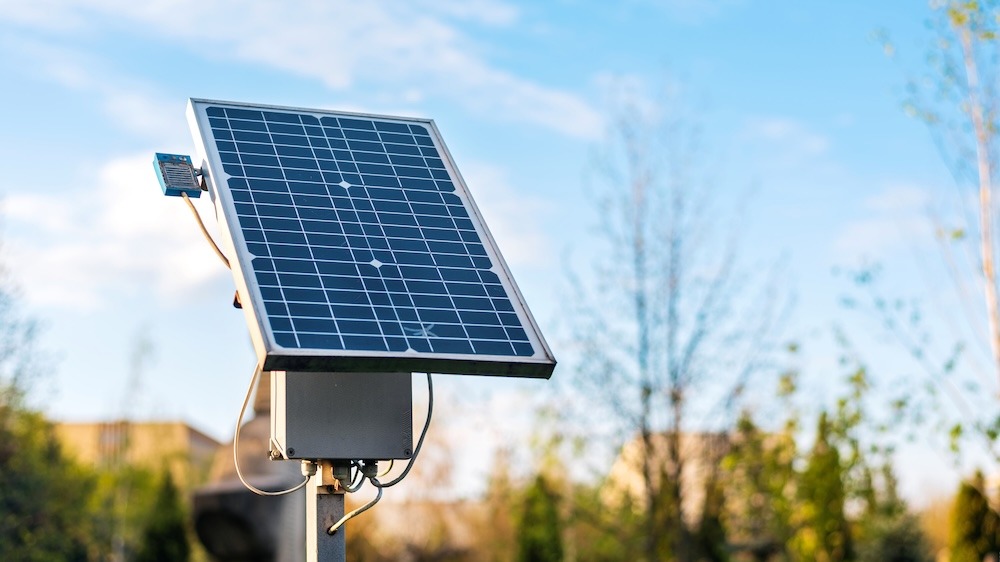
Solar-powered gate systems rely entirely on battery storage and have different charge-discharge dynamics. These systems are more sensitive to battery condition because there is no continuous main power to maintain charge levels. In solar applications, battery replacement intervals tend to be shorter, and capacity planning must account for consecutive cloudy days or seasonal sun angle changes.
Signs That a Gate Battery Needs Replacement
The most common early sign of a failing gate battery is sluggish response during power outages. If the gate hesitates, moves more slowly than usual, or fails to complete a full cycle when operating on backup power, the battery may no longer be holding adequate charge. Some systems include low-battery indicators on the control board, though not all operators provide this feedback.
A gate that works normally on main power but fails completely during an outage has likely reached the end of battery life. This can happen suddenly, especially if the battery has been in service for several years and degradation has been gradual. Property owners may not realize the battery has weakened until the first extended outage tests its actual capacity.
Swelling, corrosion on terminals, or visible damage to the battery case are signs of advanced failure. Heat exposure can cause sealed batteries to bulge or vent, which indicates internal breakdown. Any physical deformation means the battery should be replaced immediately, even if the system still appears to function.
Routine inspection helps catch declining batteries before they fail at an inconvenient time. Checking battery condition during annual service visits or when other maintenance is performed allows for planned replacement rather than emergency response.
Maintaining Battery Performance Over Time
Keeping the operator enclosure as cool as possible extends battery life more than any other single factor in the Las Vegas climate. Shade structures, reflective coatings, or simply positioning the operator on the north or east side of a structure can reduce heat exposure. Ventilated enclosures allow hot air to escape rather than building up around internal components.
Ensuring clean, tight battery connections prevents voltage drop and reduces strain on the charging circuit. Corrosion on terminals creates resistance that interferes with proper charging and discharging. A light cleaning during routine maintenance helps maintain good contact.
Replacing batteries proactively, rather than waiting for complete failure, avoids situations where a gate becomes inoperable at an inconvenient time. For residential systems, a four-year replacement cycle is a reasonable guideline in desert conditions. Commercial systems with higher reliability requirements may benefit from three-year intervals or scheduled testing to verify remaining capacity.
Using the correct replacement battery matters. Amp-hour rating, physical dimensions, and terminal configuration must match the original specification. Installing an undersized battery reduces backup runtime and may shorten service life due to increased strain. Oversized batteries may not fit the enclosure or may not charge properly with the existing circuit.
Planning for Reliable Gate Operation in Las Vegas
Electric gate batteries are a maintenance item, not a permanent component. Property owners who understand the expected service life and the factors that shorten it can plan replacements before failures occur. In the Las Vegas Valley, where heat is the dominant factor in battery degradation, realistic expectations fall closer to three years than the five-year ratings often listed on product labels.
DNG Automatic Gates has worked with automatic gate systems throughout Las Vegas, Henderson, and Pahrump for over 12 years. Dave Williams brings more than 25 years of hands-on experience with gate operators, control systems, and the specific challenges that desert conditions create for outdoor electrical components. That field experience informs practical guidance on battery selection, replacement timing, and system configuration that accounts for real-world performance rather than manufacturer estimates alone.
Property owners considering a system evaluation or looking to establish a maintenance schedule can request a consultation to review their specific installation and usage patterns.


