

The time required to install an automatic gate depends on several factors, including the type of gate system, the property layout, and whether electrical and access control components need to be integrated. Most residential installations take one to three days, while commercial projects often require additional time for coordination and system complexity. Understanding what affects the timeline helps property owners plan accordingly and set realistic expectations. For a broader overview of automatic gate systems, the fundamentals of how these systems work provide useful context before evaluating installation scope.
Factors That Influence Installation Timelines
The single biggest factor in gate installation timing is the scope of work required before the gate itself goes in. Every property presents different conditions, and those conditions shape how long the project takes from start to finish.
Ground preparation is often the first consideration. If the area where the gate will be mounted is uneven, slopes toward a drainage path, or has obstructions like tree roots or buried utilities, that prep work adds time. In Las Vegas and the surrounding valley, rocky desert soil and caliche layers can slow down post hole digging or pad installation.
Electrical requirements also play a significant role. A gate operator needs power, and if that power source is far from the gate location, trenching and conduit work become part of the job. Properties without an existing electrical connection at the gate site may need coordination with an electrician, which can extend the timeline by a day or more.
The type of gate matters as well. A single swing gate on flat ground with nearby power is straightforward. A dual swing or sliding gate with a longer span, heavier material, or integrated access control takes more time to assemble, level, and calibrate.
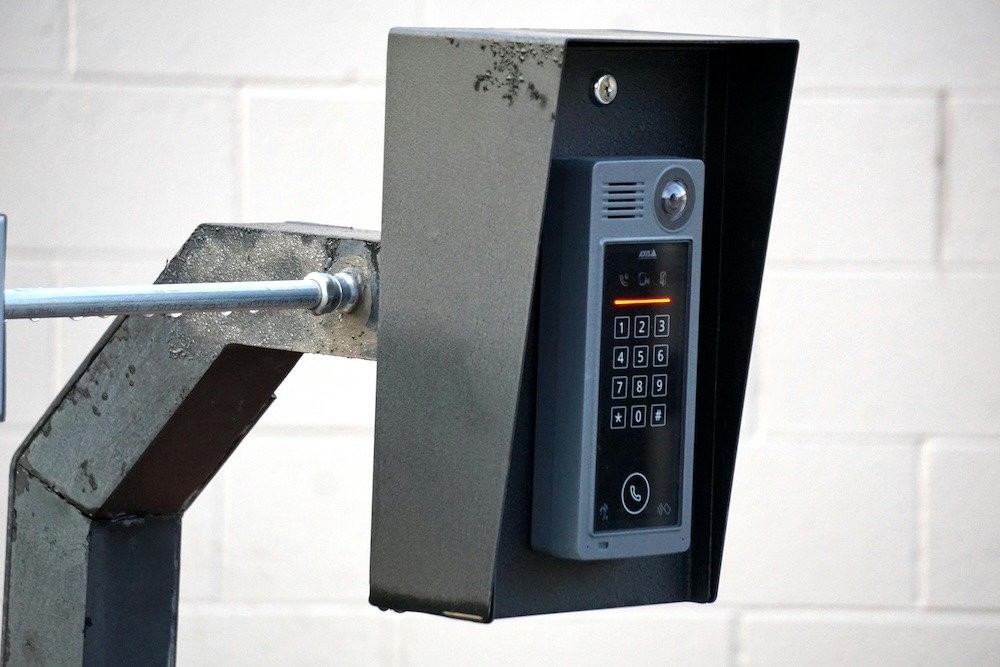
Access control features add another layer. Systems that include keypads, intercoms, cameras, or remote monitoring require wiring, mounting, and programming. Each of those components must be tested individually and then tested again as part of the complete system.
Weather can also be a factor. Extreme heat during Las Vegas summers may require scheduling work in early morning hours, which can stretch a project across more calendar days even if the total labor hours remain the same.
What Happens During a Typical Residential Installation
A standard residential gate installation follows a predictable sequence, though the time spent on each phase varies by property. Knowing what to expect helps homeowners prepare and reduces unexpected delays.
The process usually begins with a site walkthrough to confirm measurements, identify any underground utilities, and finalize the placement of posts, operators, and control components. This step often happens before the installation date, during an initial consultation.
On installation day, the first task is setting the posts or columns that will support the gate. For swing gates, this means securing heavy steel or masonry posts deep enough to handle the repeated stress of opening and closing. In rocky soil, this can take longer than expected.
Once the posts are set and stable, the gate panels are mounted. Alignment is critical at this stage. A gate that binds, drags, or swings unevenly will wear out faster and may not seal properly against the latch post.
After the gate is physically in place, the operator is installed. This includes mounting the motor unit, attaching the arm or chain mechanism, and running the wiring. The operator must be adjusted for the weight and swing arc of the gate, which requires testing and fine tuning.
If access control is part of the system, keypads, card readers, or intercom stations are mounted and wired. Programming follows, including setting codes, adjusting open and close timing, and configuring any remote access features.
A final walkthrough confirms that everything operates correctly. The property owner receives instructions on daily use, manual release procedures, and basic troubleshooting.
Commercial Installations Often Require More Time
Commercial gate projects tend to be larger in scale and more complex in scope. The timeline for these jobs reflects that added complexity.
Commercial properties often require wider gates to accommodate delivery trucks, service vehicles, or dual lane traffic. Larger gates mean heavier materials, more powerful operators, and longer spans that require additional structural support.
Access control on commercial sites is usually more involved. Multi tenant properties may need individual codes or credentials for each tenant. Integration with existing security systems, surveillance cameras, or building management software adds coordination steps.
Permitting and inspection requirements can also extend the timeline. Some commercial installations require approval from local authorities before work begins, and inspections at certain stages before the project can proceed.
Coordination with other contractors is another factor. On new construction or renovation projects, gate installation may need to wait until other trades complete their work, or may need to be sequenced around other activities on site.
For these reasons, commercial gate installations in the Las Vegas Valley typically require a longer planning phase and more installation days than residential projects. Property managers should expect a timeline measured in weeks rather than days, depending on the system selected.
How Desert Conditions Affect the Installation Process
Southern Nevada presents specific environmental challenges that influence both how gates are installed and how long the process takes.
Extreme heat affects materials and workers. Metal expands in high temperatures, which can alter fit and alignment. Installers working in summer conditions must pace their work to avoid heat related fatigue and ensure precision is not compromised.
Dust and sand are constant factors. Gate operators and access control components must be installed with attention to sealing and protection. Systems exposed to fine desert dust without proper preparation experience more frequent maintenance issues.
Wind is another consideration. The Las Vegas Valley experiences strong gusts, particularly during spring. Gates must be installed with wind load in mind, and operators must be calibrated to handle resistance without straining the motor.
These conditions do not necessarily add days to every project, but they do require installers to work carefully and account for factors that would not apply in milder climates. Experienced installers familiar with the region build this understanding into their process.
What Property Owners Can Do to Prepare
Property owners can help the installation process go smoothly by addressing a few things before the crew arrives.
Confirm that the installation area is accessible. Vehicles and equipment need to reach the gate location, and any obstructions should be cleared in advance.
Know where underground utilities are located. If there is any uncertainty, request a utility locate before the installation date. This avoids costly surprises and potential safety hazards.
Have a plan for power. If electrical service does not already exist at the gate location, coordinate with an electrician ahead of time so that work can proceed without waiting.
Discuss access control needs in advance. Knowing how many codes, credentials, or user accounts will be needed helps the installer configure the system correctly the first time.
Ask about the expected timeline during the consultation. A reputable installer will provide a realistic estimate based on the specific conditions of the property, not a generic answer.
Understanding the Timeline Helps Set Realistic Expectations
Gate installation is not a single afternoon project in most cases. Even straightforward residential jobs involve multiple steps that must be completed in sequence, and each step requires time to do correctly.
Rushing the process leads to problems. A gate that is not properly aligned will wear unevenly. An operator that is not calibrated for the gate weight will strain and fail sooner. Access control systems that are not fully tested may malfunction when they are needed most.
Experienced installers understand that taking the time to do each step correctly results in a system that performs reliably for years. That is the standard that matters in the long run.
For property owners in Las Vegas, Henderson, Pahrump, and throughout the Las Vegas Valley, working with a company that understands local conditions makes a difference. DNG Automatic Gates has served the region for more than 12 years, and owner Dave Williams brings over 25 years of hands on experience to every project. That depth of knowledge shows up in accurate timelines, proper installation practices, and systems that hold up under real world conditions.
Property owners considering a gate installation, repair, or system upgrade are welcome to request a consultation to discuss their specific situation and get a clear sense of what the process involves.


