
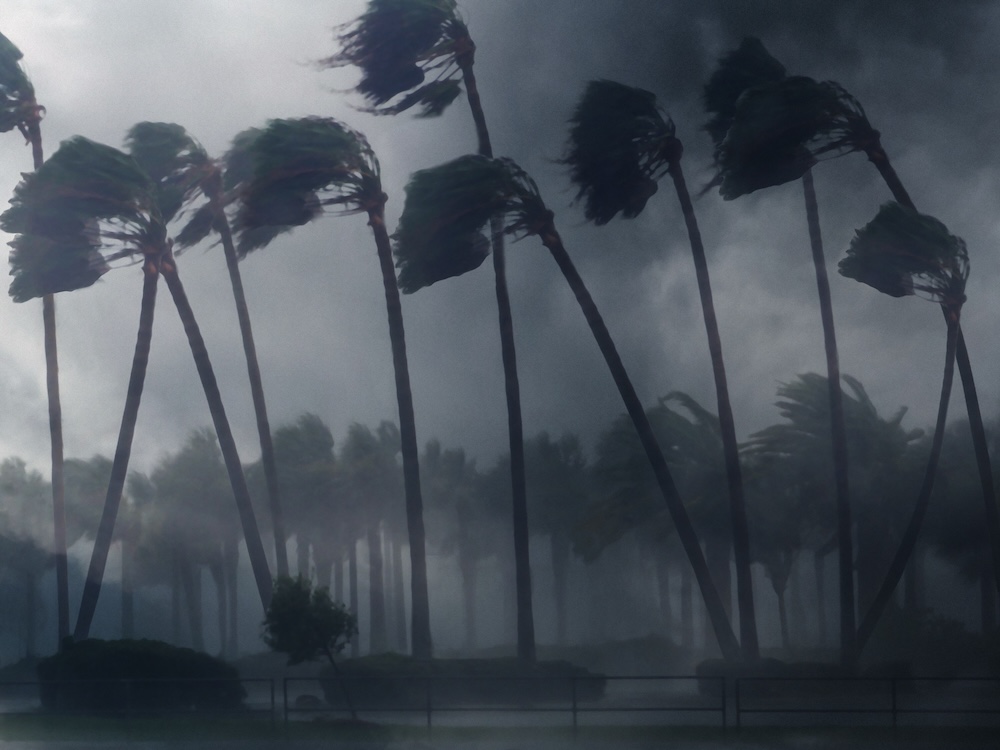
The answer depends less on choosing one fixed position and more on understanding how your specific automatic gate system responds to wind load, dust, rain, and power interruptions.
Modern automatic gates are designed to react to abnormal conditions by stopping, reversing, or holding position, but strong gusts and electrical fluctuations can still create strain on mechanical components and complicate access. In the Las Vegas Valley, where storms bring sudden wind, blowing sand, and brief but intense rain, gate behavior during severe weather comes down to system design, installation quality, and how well components are protected from the elements.
What Property Owners Actually Worry About During Storms
When dark clouds build over the valley and wind starts picking up, the concern is rarely abstract. Property owners watch their gate and wonder if it will jam halfway through a cycle, take damage from the pressure, or leave them locked in or out if power cuts unexpectedly.
A closed gate may feel more secure, but there is real uncertainty about whether that solid panel is absorbing more wind force than the operator and hardware can handle over time. An open gate may reduce that mechanical stress, but it creates a different kind of discomfort around security and access control.
The frustration often shows up when the system worked perfectly in clear weather but starts behaving unpredictably once conditions change. The gate stops mid-travel. It reverses for no obvious reason. It makes noises that were not there before.
These are not necessarily signs of failure. In many cases, the system is doing exactly what it was designed to do when it encounters resistance. But without understanding what triggers that behavior, every storm becomes a question mark.
How Automatic Gates Actually Respond to Storm Conditions
An automatic gate system includes an operator that moves the gate leaf, guided by limit settings and sensors, with safety devices monitoring for obstructions or abnormal resistance. When everything is functioning correctly, the system opens and closes smoothly within expected parameters.
Storms change those parameters.
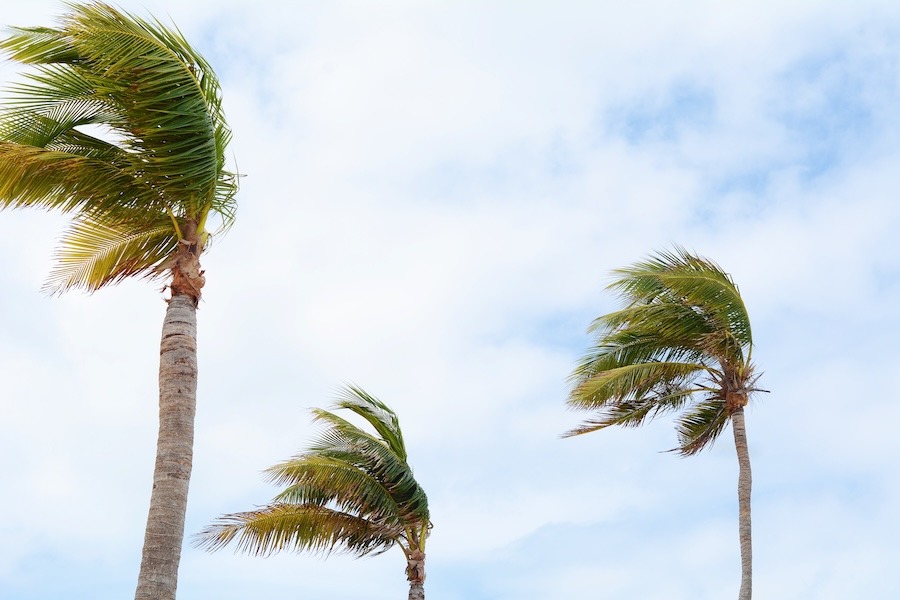
High wind pressing against a closed gate, especially a solid or privacy-style panel, adds significant load. The operator must work harder to hold position or initiate movement. For swing gates, that pressure transfers through hinges and mounting posts. For slide gates, the force affects the track, rollers, and drive mechanism.
When a gate is moving during a strong gust, the operator may interpret that extra resistance as an obstruction. Safety logic responds by stopping or reversing the gate. This is not a malfunction. It is the system reacting to conditions that fall outside normal operating range.
Rain and blowing dust create additional variables. Photo eyes can become obscured, causing the gate to refuse to close or to reopen immediately after reaching the limit. Control boards housed in poorly sealed enclosures may experience moisture intrusion or dust buildup that leads to erratic behavior. Limit switches can become unreliable if grit interferes with their operation.
Lighter residential gates and heavier commercial systems experience these stresses differently. A smaller swing gate on a residential driveway may flex and rattle but recover quickly. A large commercial slide gate with higher mass and surface area may put sustained strain on an operator that was not sized for those conditions.
What Matters Most When Evaluating Storm Performance
Reliability becomes visible during storms. A system that operates predictably in clear weather may hesitate, stall, or fault when wind and power issues enter the picture. Repeated interruptions during monsoon season reveal whether the gate was installed with storm conditions in mind.
Safety behavior is a design feature, not a flaw. Modern operators are built to stop or reverse when they sense abnormal resistance. This protects people and property, but it also means unexpected stoppages during strong gusts are part of how the system is supposed to work.
Durability is tested by repeated wind loading on closed gates. Each storm that presses against a solid panel adds incremental wear to hinges, posts, tracks, and operator components. Over seasons, this accumulates. Systems that were borderline in terms of hardware strength or installation quality tend to show problems sooner.
Long-term cost connects directly to how much storm stress the system absorbs and how well it resists dust and moisture intrusion. Gates that take repeated beatings without proper maintenance or protection tend to require earlier component replacement or more frequent service calls.
Access and usability matter in practical terms. When power cuts during a storm, the gate stays wherever it was in the cycle. If it was mid-open, it remains mid-open. If it was closed, it stays closed. Manual release mechanisms exist for these situations, but not every property owner knows where they are or how to use them safely in the dark during a downpour.
Misunderstandings That Lead to Unrealistic Expectations
One common assumption is that an automatic gate, once installed, will behave identically in all conditions. In reality, storms expose the limits of what any system can handle smoothly.
Expecting perfect operation during fifty-mile-per-hour gusts sets up disappointment.
Another belief is that heavier, more solid gates are automatically better in severe weather. The opposite can be true. More surface area means more wind pressure. More mass means more strain on the operator and mounting hardware when that pressure builds.
Not all automatic gates react the same way under stress. Older or simpler systems may lack the refined sensing and fault handling that newer operators include. A gate installed fifteen years ago may push through resistance that a modern system would recognize and stop for.
There is also an assumption that good performance in clear weather predicts good performance in storms. Dust, water, and sudden gusts create a different operating environment. A system that cycles thousands of times without issue may still stumble when monsoon conditions arrive.
How This Shows Up on Properties Across the Las Vegas Valley
In practice, this means homeowners watch their closed gate flex and rattle in high wind, wondering if the posts are taking too much stress or if the operator arm is being forced beyond its limits.
It means a gate begins its closing cycle during a storm, then stops and reverses because the operator sensed something pushing back. The owner thinks something broke. In reality, the safety system did its job.
It means photo eyes get covered with a film of dust and rain residue, and the gate refuses to close until someone wipes the lenses clean.
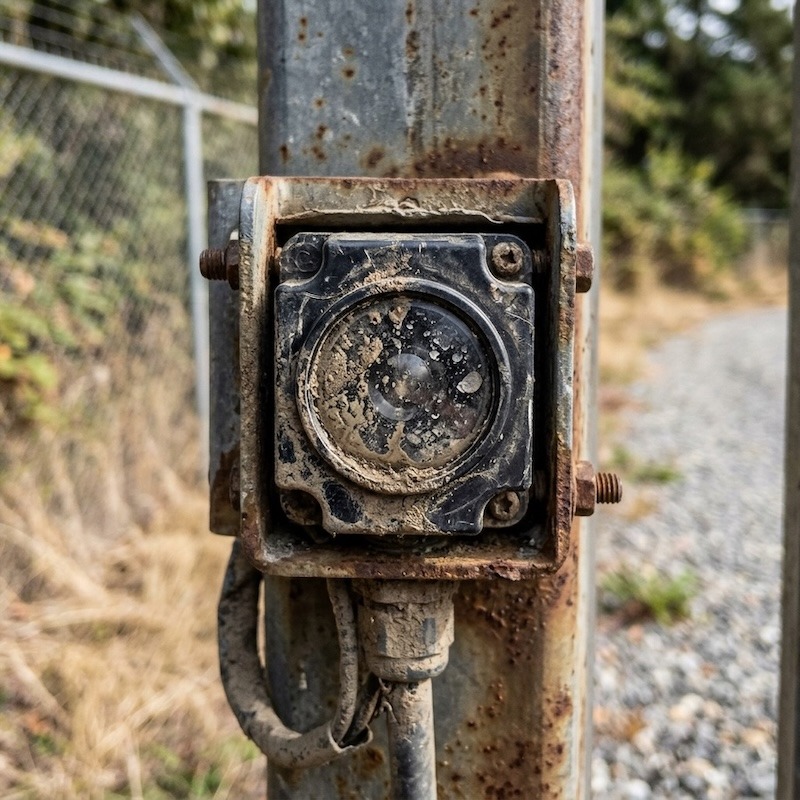
It means a power outage during a monsoon leaves the gate frozen at three-quarters open, and the property feels exposed until the lights come back on or someone locates the manual release.
These are not edge cases. They are ordinary experiences for property owners in Southern Nevada who rely on automatic gates for security and convenience.
Understanding Gate Behavior in Context
Questions about whether a gate should be open or closed during a storm tend to surface when people are planning a new installation, considering an upgrade, or troubleshooting unexpected behavior. The question reflects a deeper concern about how well the system will hold up over years of exposure to desert conditions.
Real-world weather performance is one of the key factors in how automatic gate systems are evaluated. A gate that looks impressive on a calm day but struggles every monsoon season does not deliver the long-term value property owners expect.
What This Means for Las Vegas Property Owners
The core issue is not selecting one permanent storm position for all gates. It is understanding how each automatic gate responds to wind, dust, rain, and power loss based on its design, installation, and condition.
Storm behavior reveals the interaction between gate design, operator capability, and local climate. In the Las Vegas Valley, that means accounting for extreme heat, sudden gusts, blowing sand, and the kind of brief but intense rain that arrives during monsoon season.
Expectations should include some variation in gate behavior during severe weather. That variation is tied to safety logic, mechanical stress, and how well the system was built and maintained for these conditions.
For property owners evaluating automatic gate systems in Las Vegas, Henderson, Pahrump, and surrounding areas, DNG Automatic Gates brings more than 12 years of experience serving the valley, with owner Dave Williams contributing over 25 years of hands-on industry knowledge to every installation, repair, and system evaluation. That depth of field experience influences how gate systems are sized, installed, and maintained to address the practical demands of Southern Nevada weather and long-term daily use.
Factors such as heat exposure, wind conditions, traffic frequency, and equipment compatibility can all affect how well an automatic gate system performs over time. Property owners considering installation, repairs, upgrades, or broader access control evaluation may benefit from discussing how those conditions apply to their specific property and operational needs. Consultations and system evaluations are available for those seeking additional guidance, and a free estimate can be requested through the DNG Gates Contact Page or by calling (702) 505-3107.


