

CCTV footage does not expire after a set number of days. Instead, most systems record in a continuous loop and automatically overwrite the oldest footage once the storage drive reaches capacity. The actual retention window depends on how many cameras are connected, what recording quality is selected, and how frequently those cameras capture activity.
For properties throughout Las Vegas and the surrounding valley, understanding this behavior helps set realistic expectations about what footage will actually be available when needed.
This article explains how CCTV systems handle storage and what factors influence how long recordings remain accessible before they are replaced.
Why Footage Availability Becomes a Concern
The moment someone needs to review past recordings is often the moment they discover how their system actually works. A vehicle is damaged in a parking area overnight. An unauthorized person accesses a gated entry. A package disappears from a front entrance. The assumption is that footage from several weeks ago should still be available.
When the recording is no longer there, the frustration can be significant. Property owners often believe their system stores video for a fixed period, perhaps thirty days or longer, only to find out the recording was overwritten days earlier.
This gap between expectation and reality is common. Many people set up a CCTV system and never revisit the storage settings, assuming footage will be available whenever they need it. The uncertainty about what is actually being kept, and for how long, can undermine the sense of security the system was meant to provide.
For property owners and managers across Las Vegas, Henderson, and Pahrump, where security at gated entries and access points is often a priority, this uncertainty makes it harder to rely on recorded footage after an incident.
How CCTV Systems Handle Storage and Overwriting
Modern CCTV systems record video to digital storage, typically a hard drive housed inside a DVR or NVR unit. These systems are designed to record continuously or based on motion triggers, depending on how they are configured.
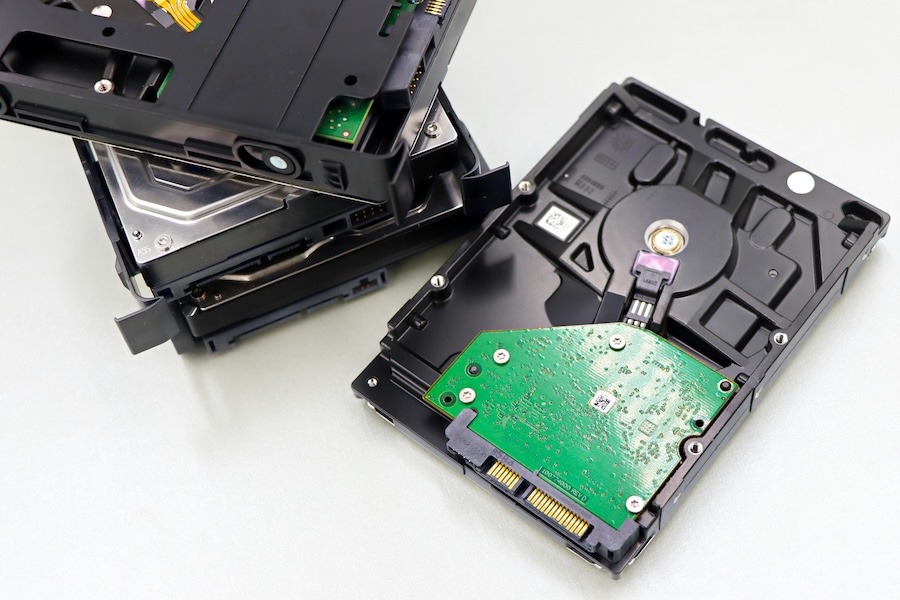
When the storage drive fills up, the system does not stop recording. Instead, it loops back and begins overwriting the oldest footage to make room for new recordings. This is the default behavior for most systems used in residential and commercial applications.
There is no universal retention period built into these systems. A common assumption is that footage automatically stays available for thirty days, but that number has no fixed basis. What actually determines retention is the combination of storage capacity and how much data the system writes each day.
Recording resolution plays a significant role. Higher resolution footage creates larger files, which fill storage faster. A system recording in high definition around the clock will consume space more quickly than one set to a lower resolution.
The number of cameras also matters. A single camera recording intermittently will use far less storage than eight cameras running continuously. Each additional camera adds to the total daily data volume.
Motion-based recording can extend retention by reducing the amount of footage captured during inactive periods. In quieter residential settings, this can make a meaningful difference. In busier commercial environments with constant movement, motion detection may trigger almost continuously, offering little storage savings.
What Actually Affects Retention in Everyday Use
Retention time is not a fixed specification. It shifts based on how the system is used and the conditions it operates under.
In practice, a system with a one-terabyte hard drive might retain two weeks of footage with four cameras recording at moderate resolution. The same drive connected to eight cameras at higher resolution might fill in under a week. These are rough examples, but they illustrate how quickly the numbers change based on configuration.
Busier environments generate more recorded data. A commercial entrance with frequent vehicle and pedestrian traffic will fill storage faster than a residential driveway with occasional movement. Shared access points, parking areas, and gated entries that see regular use tend to shorten the available retention window.
For properties in Southern Nevada, environmental factors also play a role in system reliability. Dust, heat, and wind are part of daily operation. While these conditions do not directly change how overwriting works, they can affect whether equipment captures and stores footage consistently. A recorder operating in an unconditioned utility closet during summer months may experience performance issues that affect recording integrity.
Long-term reliability depends on equipment quality and proper installation. Hard drives wear over time, especially under continuous use. If a drive begins to fail, older recordings may become inaccessible even before they would normally be overwritten.

Understanding these variables helps property owners recognize that retention is a moving target. It is influenced by system design, usage patterns, and operating conditions rather than a single default setting.
Common Misunderstandings About Footage Retention
One of the most persistent misconceptions is that CCTV systems automatically store footage for a standard period regardless of how they are set up. The idea that every system keeps thirty days of video by default is not accurate. Retention depends entirely on storage size and recording behavior.
Another frequent assumption is that recorded footage remains available until someone manually deletes it. In reality, most systems are designed to overwrite automatically. This is not a flaw but an intentional feature that allows the system to continue recording without requiring regular user intervention.
There is also confusion between what a system could do with expanded storage and optimized settings versus what a specific installation actually does. A property owner may hear that systems can retain months of footage under ideal conditions and assume their setup does the same. Without reviewing the actual configuration, there is no way to know.
People often underestimate how much continuous activity, multiple camera feeds, and higher resolution shorten the retention window. A system that seemed adequate when installed may provide less coverage as cameras are added or recording quality is increased.
These misunderstandings can lead to disappointment when footage is needed. Recognizing how overwriting actually works helps set more accurate expectations.
How Retention Plays Out in Real Situations
Day-to-day operation is straightforward. Cameras feed video to the recorder, which writes to the hard drive until it reaches capacity. Then the oldest files are replaced, one segment at a time, as new footage is added.
Most property owners never watch live feeds or review footage regularly. The system runs in the background, and attention only turns to it after something happens. That delay between an incident and the moment someone checks the recording is where problems emerge.
If an incident occurred ten days ago but the system only retains seven days of footage, the relevant recording is already gone. This is a common scenario, particularly for properties that assumed longer retention without verifying it.
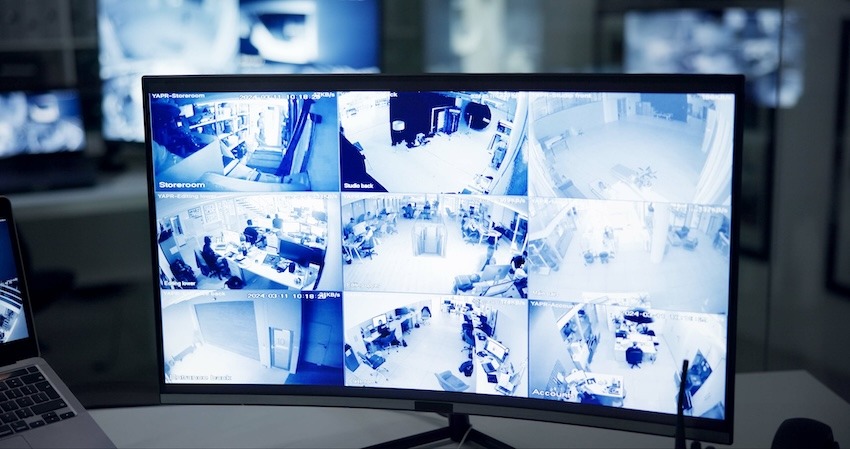
Commercial properties with high-traffic gated entries, loading areas, or shared parking tend to generate more footage. Even with larger storage drives, the volume of recorded data can shorten retention significantly. A busy retail entrance or industrial gate may only hold a few days of recordings before overwriting begins.
Residential systems with fewer cameras and less frequent activity often retain footage longer on the same storage capacity. A quiet single-family property with motion-based recording may keep two or three weeks of footage, while a multi-tenant commercial site may cycle through storage in under a week.
Environmental exposure in the Las Vegas Valley adds another layer. Systems installed in exterior enclosures or non-climate-controlled spaces must handle temperature swings and dust infiltration. When equipment struggles under these conditions, recording gaps or file corruption can occur, reducing the usable footage available even within the normal retention window.
How CCTV Fits Into Broader Access Control Planning
Questions about how long footage lasts often come up when property owners are planning or reviewing their overall security and access control setup. For automatic gate systems, CCTV is frequently part of a larger discussion about monitoring entry points, verifying access events, and maintaining a record of activity at gated perimeters.
Understanding how storage and overwriting work helps property owners make informed decisions about what their system can realistically provide. This awareness is useful whether evaluating an existing installation or considering upgrades.
Setting Realistic Expectations for Footage Availability
CCTV footage duration is not a fixed promise. It is a function of storage capacity, recording settings, camera count, and how much activity the system captures. Two systems with identical hardware can have very different retention windows based on how they are configured and used.
For property owners and managers across the Las Vegas Valley, this means retention should be understood as a variable, not a guarantee. Checking current settings, understanding how the system records, and recognizing how usage patterns affect storage all contribute to more realistic expectations.
When an incident occurs, knowing whether footage is still available often depends on understanding how retention settings, recording quality, storage capacity, and system configuration interact over time. Footage retention can change as additional cameras are added, recording settings are adjusted, or environmental conditions begin affecting overall system performance. DNG Automatic Gates works with property owners throughout Las Vegas, Henderson, and Pahrump on CCTV systems integrated with automatic gates and access control, helping clients better understand how these systems operate under real-world Southern Nevada conditions.
With more than 12 years serving the valley and owner Dave Williams bringing over 25 years of hands-on industry experience, the company approaches CCTV retention and system reliability from a practical, field-tested perspective rather than from manufacturer specifications alone. Property owners considering CCTV installation, upgrades, storage adjustments, or broader system evaluation may benefit from discussing how retention settings and equipment choices relate to their specific monitoring needs and property conditions. Consultations and system evaluations are available for those seeking additional guidance, and a free estimate can be requested through the DNG Gates Contact Page or by calling (702) 505-3107.


