
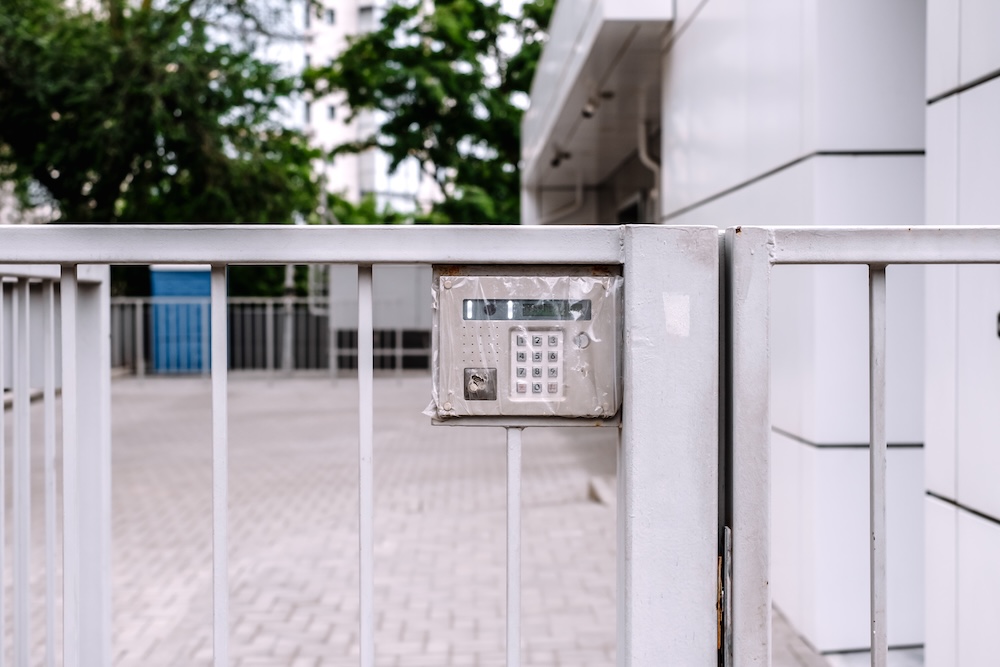
A gate call box is the communication hub mounted at an automatic gate that allows visitors to contact someone inside the property and request entry. When that request is approved, the system sends a signal to the gate operator, which then opens or unlocks the gate. While the call box appears simple from the outside, it actually functions as one piece of a larger telephone entry system that coordinates communication, authorization, and gate movement. When all components work together properly, the process feels straightforward for both visitors and property owners.
Why Gate Call Boxes Can Feel More Complicated Than They Look
Many people approach a gate call box expecting it to behave like a doorbell or basic intercom. They press a button, assume someone will answer, and wait for the gate to open. When the system does not respond as expected, frustration sets in quickly.
The concern often runs deeper than simple inconvenience. Property owners rely on their gates for security and controlled access. When a visitor cannot reach them through the call box, or when the gate does not respond after a call is approved, that sense of security starts to feel unreliable.
Guests waiting outside, delivery drivers unable to gain entry, or service providers standing at the gate without a clear response can create real problems. These situations become more pressing for commercial properties or communities with frequent visitor traffic.
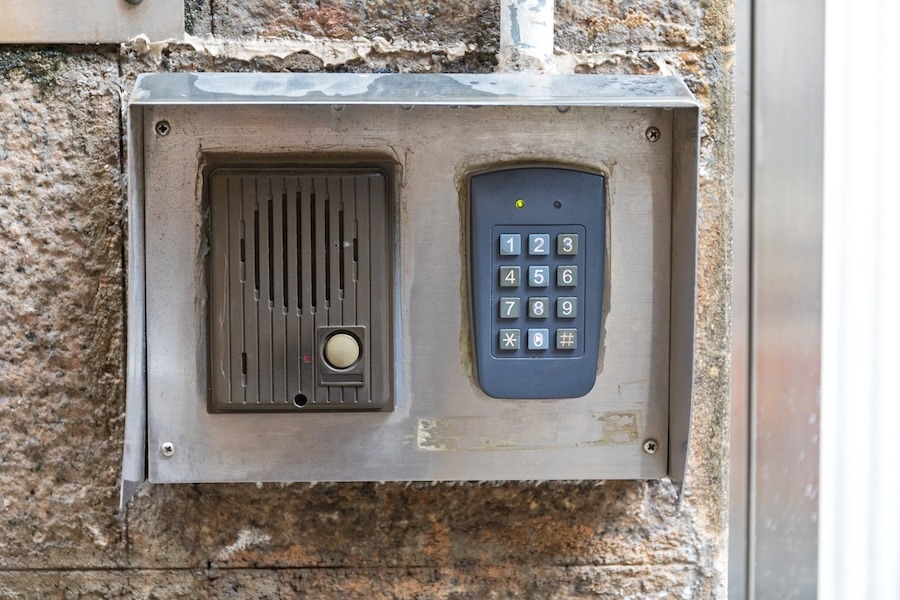
Part of the unease comes from not understanding what the call box actually does. Most people see the keypad, speaker, and directory at the post but do not see the communication path behind it or the connection to the gate operator. That gap in visibility makes it harder to know where problems originate when something goes wrong.
In Southern Nevada, the desert environment adds another layer of concern. Property owners often wonder whether their system will hold up under constant heat, dust, and wind exposure. Understanding how a gate call box fits into the larger telephone entry system helps set realistic expectations about what can go wrong and why.
How the System Actually Works From Visitor to Gate Movement
A gate call box is one component of a telephone entry system that includes three main parts: the physical box at the gate, the communication link to phones or devices, and the interface to the gate operator. Each part has a specific job, and the system only works properly when all three coordinate together.
When a visitor arrives, they interact with the call box by pressing a button, entering a code, or selecting a name from a directory. That action initiates a call through whatever communication method the system uses. Older systems often relied on traditional phone lines. Newer setups may use cellular connections or internet-based pathways depending on how the property is configured.
The call routes to the phone, smartphone, or device associated with the entry request. The person receiving the call can then speak with the visitor and decide whether to grant access. If they approve, they trigger a signal that travels back through the system to the gate operator.
The gate operator receives that signal and responds by opening or unlocking the gate. This entire sequence, from the visitor pressing a button to the gate moving, depends on each component functioning correctly and communicating with the others.

Residential setups tend to involve fewer users and simpler call routing. A homeowner might have the call box connected to one or two phones, and traffic at the gate stays relatively light. Commercial or multi-tenant properties often require more complex configurations with directories, multiple lines, and higher call volumes at peak hours.
Regardless of property type, the basic flow remains the same. The call box handles visitor communication, the phone or device handles authorization, and the gate operator handles physical movement. Problems can occur at any point in that chain.
What Property Owners Need to Know About Reliability and Maintenance
For most property owners, the questions that matter are practical. Will visitors be able to reach me? Will the gate respond when I approve entry? Will this system hold up under daily use?
Reliability over time depends on several factors. Frequency of use plays a role, as does the number of people who depend on the system. A call box serving a single-family home with occasional visitors operates under different stress than one handling constant traffic at a commercial entrance or gated community.
In the Las Vegas Valley, environmental conditions have a direct impact on how telephone entry systems age. Sustained heat, blowing dust, and wind exposure stress external components like keypads, buttons, speakers, and displays. Internal electronics and wiring connections also experience wear from temperature swings between daytime heat and cooler nights.
These conditions do not necessarily cause immediate failure, but they influence long-term performance. Property owners in Henderson, Pahrump, and across the valley should expect that exterior components will show wear over time, even on well-built systems. Audio quality may degrade. Buttons may become less responsive. Displays may fade or become harder to read.
The cost of a telephone entry system is not just the initial installation. It includes the lifespan of components under real-world conditions and the maintenance required to keep everything functioning reliably. Systems designed for durability and properly installed with local conditions in mind tend to deliver more consistent performance over the years.
Security and access control depend on that consistency. A call box that works intermittently undermines the purpose of the gate itself. Understanding this helps property owners evaluate their options in terms of long-term function rather than upfront price alone.
Misunderstandings That Lead to Unrealistic Expectations
One of the most common assumptions is that a gate call box can be installed and then ignored. Because the visible hardware looks simple, many people treat it like a set-and-forget device. In practice, the call box is part of an access control system that requires attention over time, especially under demanding conditions.
Another frequent misconception is that all gate call boxes work the same way. A system designed for a small residential property with light use will not behave the same when installed at a busy commercial site or multi-tenant community. Treating these applications as identical leads to disappointment when a system underperforms under heavier demand.
People also tend to assume that when something goes wrong, the problem is with the visible hardware at the gate. They see the call box and conclude that the faceplate, keypad, or speaker must be at fault. In reality, many issues trace back to the communication link or the connection to the gate operator rather than the external enclosure.
A call that does not go through might indicate a problem with the phone line, cellular signal, or network configuration. A gate that does not respond after approval might point to an issue with the operator interface or wiring. Diagnosing these problems requires looking at the full system, not just the piece mounted at the post.
Understanding these distinctions helps property owners ask better questions and set more realistic expectations about what their system can deliver.
How Telephone Entry Systems Perform in Everyday Use
In day-to-day operation, a gate call box serves as the point of contact for anyone arriving at the property. At a home, that might mean a visitor pressing a button to reach the resident, waiting for a brief conversation, and then driving through once the gate opens. The interaction takes seconds when everything works properly.
At a commercial property or multi-tenant site, the pattern shifts. Visitors may scroll through a directory to find the right contact. Staff may receive dozens of calls during peak hours. The system handles more volume, and any delay or inconsistency becomes more noticeable.
As components age in the desert environment, observable changes occur. Buttons may feel different or require more pressure. Audio may become harder to hear clearly through the speaker. Displays may show signs of sun exposure. These are normal effects of long-term use in Southern Nevada, not necessarily signs of failure, but they do affect user experience over time.
Missed connections between the call and the gate operator can also occur, particularly if the communication path experiences interference or if wiring connections have loosened. These issues tend to show up intermittently at first, making them harder to identify without a closer look at the full system.

For property owners, the practical takeaway is that consistent performance depends on how well the entire telephone entry system maintains communication and gate response over time, not just how the call box looks at the post.
Understanding Gate Call Boxes in the Context of Professional Gate Services
Questions about how a gate call box works often come up when property owners are planning a new automatic gate installation, dealing with reliability concerns in an existing system, or evaluating whether an upgrade makes sense for the way the property is actually used. Understanding how the call box functions within the larger telephone entry and access control system can help set more realistic expectations and make it easier to identify which features and configurations are most appropriate for the property’s traffic patterns and security needs.
DNG Automatic Gates has served the Las Vegas Valley for more than 12 years, with owner Dave Williams bringing over 25 years of hands-on industry experience to automatic gate and access control projects across residential and commercial properties. That field experience informs how telephone entry systems are installed, configured, and maintained under Southern Nevada conditions over the long term. Property owners considering installation, repairs, upgrades, or broader access control evaluation may benefit from discussing how their current system—or a potential new setup—fits the operational needs of the property. Consultations and system evaluations are available for those seeking additional guidance, and a free estimate can be requested through the DNG Gates Contact Page or by calling (702) 505-3107.


