
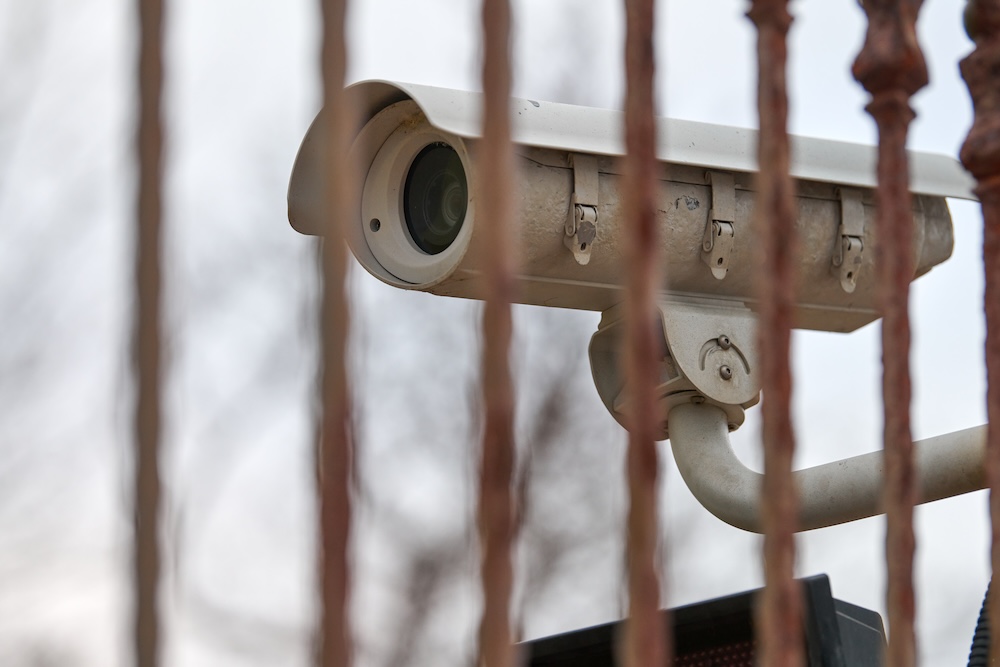
For most Las Vegas homes and businesses, you only truly need CCTV on your gate if you rely on being able to see what’s happening at that entry point or want the ability to review activity later. Cameras won’t make the gate itself stronger or more secure in a physical sense, but they do add visual awareness and create a record of who and what moves through that space. Understanding this distinction helps set realistic expectations about what CCTV systems actually deliver when paired with an automatic gate.
In practice, CCTV at a gate is about visibility and documentation rather than opening, closing, or physically preventing entry. The real value shows up in how clearly it helps property owners understand day-to-day activity in their specific setting, especially under the harsh desert conditions common throughout the Las Vegas Valley.
Why Property Owners Start Asking About Gate Cameras
The question about CCTV usually surfaces after someone feels uncertain about what’s actually happening at their property line. Maybe they hear the gate cycle but can’t see who triggered it from inside the house. Perhaps they notice scuffs or damage on the gate with no clear explanation of how it happened.
In other cases, property managers worry that vehicles are tailgating through behind authorized users or that the gate has been stuck open without anyone noticing. These concerns tend to grow when the gate sits at the end of a long driveway or at the edge of a commercial lot where direct visibility from the building is limited.
Las Vegas properties often have this layout. Gates frequently sit well away from windows or main structures, which means owners have no natural sightline to the entry point. That lack of visibility turns into nagging questions over time.
Who was at the gate last night? Did a delivery truck clip the arm? Is someone propping the gate open during business hours? The uncertainty drives people toward cameras, though it isn’t always clear whether CCTV will truly answer those specific concerns or simply add another system to maintain.
Understanding what cameras can and cannot do at a gate helps separate practical value from hopeful assumptions.
What CCTV Actually Does at an Automatic Gate
CCTV on a gate is simply a camera or set of cameras aimed at the entrance, feeding video to a monitor or recording device so you can see and review activity at that point. The system doesn’t interact with the gate motor, safety sensors, or access control hardware in any direct way.
Instead, it provides a window into what the gate itself cannot tell you. In practical terms, that means you can see vehicles approaching, verify whether someone is waiting outside before you trigger the opener, and look back at recorded footage if there’s ever a question about damage, misuse, or unauthorized entry.
How useful this is day to day depends heavily on camera placement and the surrounding environment. In bright Southern Nevada sun, cameras might capture clear footage during certain parts of the day but struggle with harsh glare, deep shadows, or blowing dust at others.
At night, the value of the footage depends on how much ambient light exists around the gate and how well the camera handles low-light conditions. Infrared capabilities help, but they have limits in terms of range and detail.
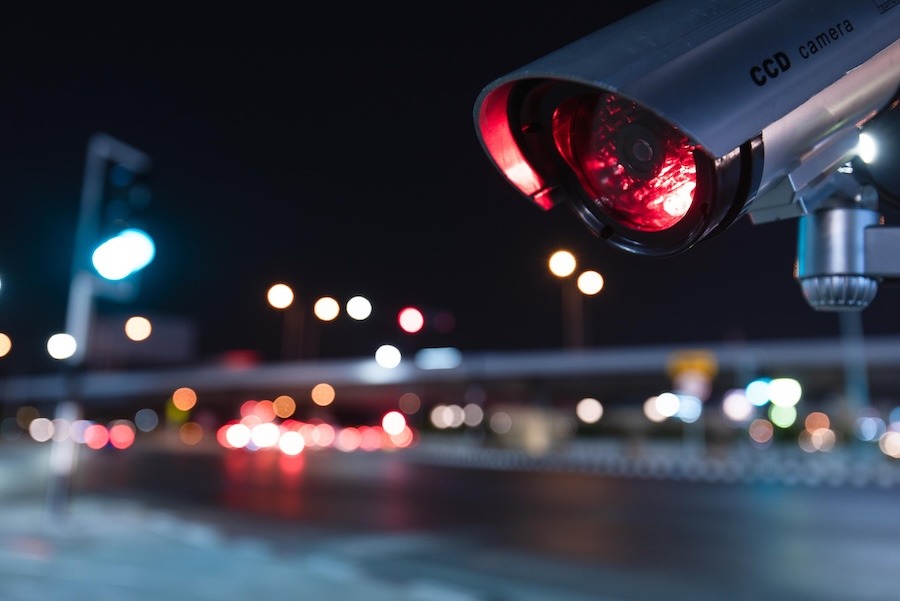
Over time, sun exposure, heat cycling, and wind-driven dust affect camera housings and lenses. Performance rarely stays static without periodic attention. A camera that produced sharp images when first installed may gradually deliver hazier results as the lens collects fine desert grit or the housing warps slightly from temperature extremes.
This is the reality of CCTV in the field rather than in a product brochure.
What Property Owners Actually Care About
When people ask whether they really need CCTV at their gate, they’re typically weighing a few core concerns that go beyond the hardware specifications.
Reliability comes first for most. Property owners want to know whether cameras will still produce clear, usable footage after months of exposure to Las Vegas heat and dust. They also want confidence that the recording system will keep working without constant troubleshooting or failed saves that only become apparent after an incident.
Safety and documentation rank high as well. Many want to know who is waiting at a gate that isn’t visible from inside, especially at night. Others want a record they can review if there’s ever a dispute about access, a vehicle strike, or unauthorized entry during off hours.
Long-term cost is less about the initial purchase price and more about whether cameras keep doing their job without frequent replacement or repair. In desert conditions, cheap equipment tends to fail faster, but even quality components need maintenance to perform consistently.
Usability matters more than people initially expect. If camera angles don’t show what owners actually care about, or if checking footage requires multiple steps through clunky software, the system gets ignored. A camera that’s technically working but rarely checked provides limited practical value.
In both residential and commercial settings, the central question is whether CCTV meaningfully improves understanding of what’s happening at the gate, not just whether the system is technically installed and powered on.
Misconceptions That Lead to Disappointment
Many property owners assume that installing CCTV automatically solves gate security, as if cameras could prevent forced entry, stop tailgaters, or deter bad actors on their own. In reality, CCTV is an observation and recording tool. It doesn’t change how the gate operates or physically stop anyone from doing anything.
Another common assumption is that cameras will always capture sharp, detailed images of faces or license plates in every condition. Real-world use in Southern Nevada quickly demonstrates otherwise.

Glare from low sun angles, dust accumulation on lenses, and insufficient lighting at night can all limit what’s actually visible in recordings. There are inherent tradeoffs between capturing a wide view of the entire gate area and getting enough detail to read a plate number or identify a face. Expecting both from a single camera position usually leads to disappointment.
The “set it and forget it” mindset causes problems as well. Owners often expect cameras and recording devices to run indefinitely without any checks or maintenance. Over time, slight shifts in camera mounts, dirty lenses, full storage drives, or misconfigured settings can quietly undermine the usefulness of the entire system.
These gaps often only become apparent when someone actually needs to pull footage after an incident and discovers the recording stopped weeks ago or the image quality makes identification impossible.
How This Plays Out in Daily Use
On a typical residential property, CCTV at the gate might be used to glance at who’s outside before triggering the opener, confirm whether a package was dropped off, or check if the gate area is clear before backing out.
The cameras sit in full desert sun and face blowing dust throughout the year. Lenses gradually get hazy. Mounts age and sometimes shift slightly. The picture quality changes slowly enough that owners don’t notice until they compare current footage to what the system captured when first installed.
In commercial settings, cameras at a gate commonly face parking lots, delivery zones, or shared entries where multiple vehicles pass through each day. CCTV often comes into play after something has already gone wrong.
A property manager reviews footage to understand how a gate arm was damaged. A business owner checks whether someone followed another vehicle through, without authorization. In these moments, limitations that went unnoticed during normal operation suddenly matter.
The camera angle turns out to be too wide to capture plate numbers clearly. Dust has softened the image beyond usefulness. The recorder filled its storage and wrote over the relevant day before anyone checked.
Day to day, the system’s practical value depends on how closely its actual coverage, image quality, and reliability match what people assume they’re getting. That alignment requires attention during installation and periodic verification afterward.
Connecting Cameras to Your Overall Gate System
Questions about whether CCTV is truly necessary tend to arise while property owners are already planning or adjusting their automatic gate setup. As discussions cover operators, safety devices, keypads, intercoms, and vehicle detection, the topic of cameras naturally enters the conversation.
This makes sense because CCTV becomes part of a broader picture of how much visibility and documentation someone wants at their entry point. For properties in the Las Vegas Valley dealing with extreme heat, dust storms, and intense UV exposure, every component at the gate faces the same environmental stresses.
Thinking about cameras alongside the gate system rather than as a separate afterthought helps ensure placement, wiring, and mounting receive the same attention to durability that the gate hardware requires.
Seeing CCTV for What It Actually Provides
The practical question with CCTV at a gate is often less about whether cameras are inherently good or bad and more about whether the visibility they provide aligns with how the property is actually used and what the owner expects from the system over time. CCTV does not change the physical strength, mechanics, or security level of the gate itself. Instead, it provides visibility into activity around the access point within the limits of camera placement, environmental conditions, recording quality, and ongoing maintenance.
DNG Automatic Gates has spent more than 12 years working with property owners throughout the Las Vegas Valley on automatic gates, CCTV integration, and broader access control systems. That field experience consistently shows that camera systems perform best when expectations are grounded in how they function under real-world Southern Nevada conditions rather than in idealized product scenarios.
Property owners considering CCTV installation, upgrades, repairs, or broader system evaluation may benefit from discussing how camera placement, monitoring goals, and long-term maintenance expectations relate to their specific property and access needs. Consultations and system evaluations are available for those seeking additional guidance, and a free estimate can be requested through the DNG Gates Contact Page or by calling (702) 505-3107.


