

Property owners evaluating access control for automatic gates often encounter two terms that seem interchangeable but function quite differently in practice. Understanding the distinction between an intercom and a telephone entry system helps clarify which option fits a specific property’s needs, budget, and long-term maintenance expectations.
For properties in Las Vegas and the surrounding valley, this decision also involves considering how each system holds up under desert conditions and daily use patterns.
How Each System Actually Works
An intercom system creates a direct audio or video connection between the gate and a fixed location inside the property. When someone arrives, they press a button, and the system rings a mounted unit indoors. The property owner or tenant answers, speaks with the visitor, and releases the gate from that indoor station.
This setup requires wiring between the gate-mounted unit and the indoor receiver. The communication path stays entirely within the property. There is no external network involved.
A telephone entry system operates differently. When a visitor arrives, the system dials a phone number. That number can be a landline, a cell phone, or a business line. The property owner answers the call from wherever they are and presses a key on their phone to release the gate.
This means the person granting access does not need to be on the property. They receive the call like any other phone call and make a decision remotely.
For single-family residential properties, an intercom may work fine when someone is always home. For rental properties, gated communities, or commercial facilities where decision-makers are often offsite, telephone entry systems offer more practical flexibility.
Installation and Infrastructure Differences
Intercom systems require a hardwired connection between the gate and the indoor station. This involves trenching, conduit, and cable runs that can add labor and material costs depending on the distance involved.
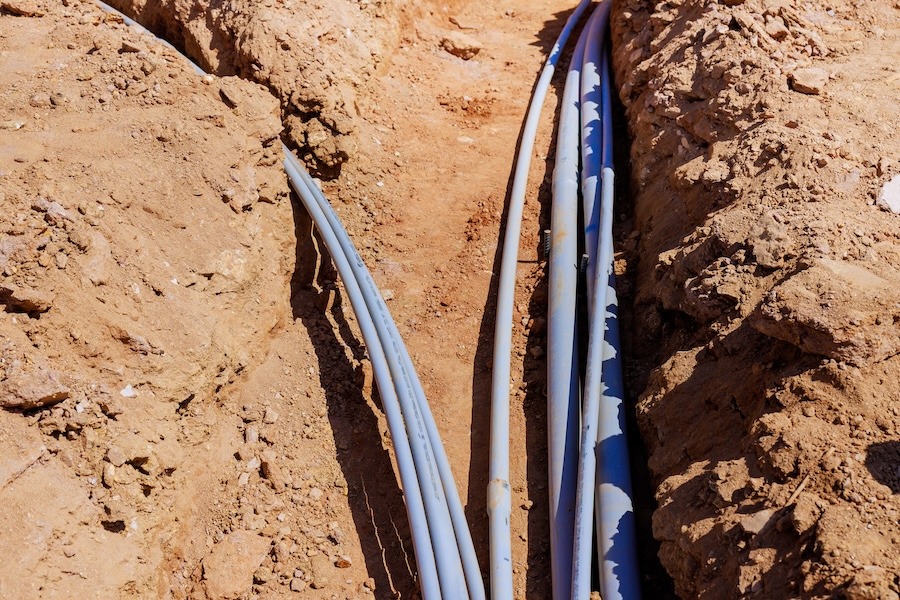
If the indoor unit needs to be relocated later, rewiring is necessary. Adding a second indoor station usually means running additional cable.
Telephone entry systems connect to a phone line or cellular network. The gate-mounted unit handles the call independently. There is no indoor receiver to install or maintain.
In properties where running cable between the gate and the main structure is difficult or expensive, telephone entry systems often reduce installation complexity.
Cellular-based telephone entry units are increasingly common in the Las Vegas area. These eliminate the need for a dedicated landline and work well in locations where trenching is impractical or where the property layout makes wiring cost-prohibitive.
For commercial properties with multiple tenants, telephone entry systems also allow directory-based access. Visitors can scroll through a list and dial the appropriate tenant, who then grants or denies access without involving property management.
Practical Considerations for Las Vegas Properties
Desert conditions affect both system types, but in different ways.
Intercom systems with indoor units keep the receiver away from heat and dust. However, the gate-mounted panel still faces direct sun, temperature swings, and wind-blown debris. Keypads and speaker grilles require periodic cleaning and inspection.
Telephone entry systems consolidate all hardware at the gate. There is no indoor unit to maintain, but the outdoor unit must be built to withstand sustained UV exposure and temperature extremes.
Quality matters significantly here. Entry systems rated for outdoor use with sealed enclosures and heat-resistant components perform better over time than units designed for milder climates.
Wind is another factor. Gate-mounted panels need secure mounting to prevent vibration damage. Loose connections or shifting housings can cause intermittent failures that are difficult to diagnose.
DNG Automatic Gates has seen both system types perform reliably when installed with proper weatherproofing and mounting practices. Failures often trace back to improper sealing, undersized conduit, or hardware not rated for the environment.
Long-Term Maintenance and System Lifespan
Intercom systems require attention to both the gate unit and the indoor station. If either fails, the system stops working. Wiring between the two can degrade over time, especially if conduit was not used or if connections were exposed to moisture.
Telephone entry systems have fewer physical components. Maintenance focuses on the gate-mounted unit and the communication link. Cellular units depend on network coverage and signal strength, which can vary by location.
Both systems benefit from periodic inspection. Keypads, speakers, and microphones collect dust. Screens on video-enabled units can become difficult to read after prolonged sun exposure.
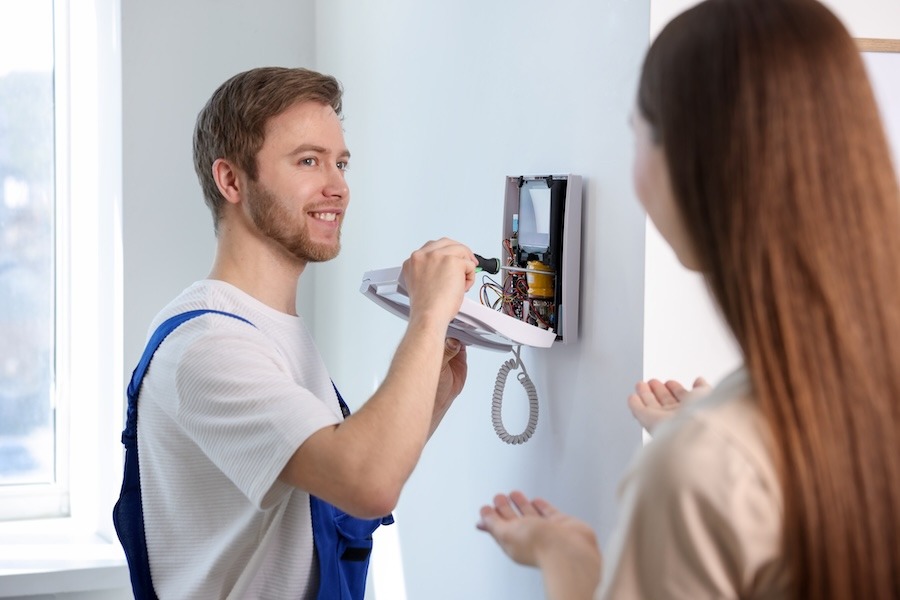
Replacement parts availability also matters. Some intercom brands use proprietary indoor units that become difficult to source after a few years. Telephone entry systems often use standardized phone protocols, which can simplify repairs and upgrades.
For property owners planning to keep a gate system in service for ten years or more, understanding the manufacturer’s track record and parts availability is part of the initial decision.
Choosing Based on Property Type and Use
Residential properties with a single household and consistent occupancy often work fine with a basic intercom. The homeowner is present to answer and release the gate as needed.
Rental properties, vacation homes, and properties with rotating occupants benefit from telephone entry. The owner or property manager can grant access remotely without being on site.
Commercial properties almost always lean toward telephone entry. Delivery drivers, contractors, and clients need access during business hours, and staff may not always be stationed near an intercom receiver.
Multi-tenant buildings and gated communities typically use directory-based telephone entry systems. Each tenant manages their own access without relying on a central office.
For properties in Las Vegas, Henderson, Pahrump, and throughout the valley, the choice often comes down to how the property is used day to day and who needs to control access.
When to Request a Professional Evaluation
Both system types can integrate with automatic gate operators, keypads, card readers, and other access control components. The best fit depends on the gate configuration, property layout, and how access decisions are made.
DNG Automatic Gates has more than 12 years of experience installing and servicing access control systems across the Las Vegas Valley. Owner Dave Williams brings over 25 years of hands-on industry knowledge to every project.
If you are evaluating a new installation, replacing an aging system, or considering an upgrade, a site evaluation helps clarify which approach fits your property. Estimates are provided at no cost. Visit the DNG Gates Contact Page or call (702) 505-3107 to discuss your specific situation.


