

A telephone entry system is the communication and control point that allows residents or property managers to grant temporary gate access to guests, delivery drivers, and contractors.
These devices sit at the entry point of an automatic gate, connect to landlines or mobile phones, and determine who can open the gate and when. For properties in Las Vegas and the surrounding valley, long-term reliability depends on both the quality of the electronics and how well the system holds up to desert conditions over time.
Understanding how these systems work helps property owners set realistic expectations for telephone entry systems and the role they play in day-to-day access control.
Why Temporary Access Creates Frustration at the Gate
Few things are more frustrating than having a contractor or guest stuck outside your gate because the entry panel is unclear, faded, or simply not working the way it should. In Las Vegas, where afternoon sun can wash out displays and heat can affect electronic components, this situation happens more often than most property owners expect.
The uncertainty compounds when residents are not sure whether the problem is the gate itself, the phone line, or something wrong with the entry system. Visitors press buttons, wait for a response, and sometimes leave without ever making contact. Delivery drivers move on to the next stop. Contractors sit idle while homeowners scramble to figure out what went wrong.
Another common frustration arises when codes have been shared too widely or directory listings have not been updated in years. A resident may assume the system is working correctly because the gate still opens with their personal remote, not realizing that the telephone entry side has become unreliable for anyone trying to call through from the outside.
These situations often reveal that the telephone entry system is its own subsystem with its own points of failure, separate from the gate operator itself. When temporary visitors cannot get through, the issue may not be mechanical at all. It may be the panel, the communication link, or the way the system was configured in the first place.
What a Telephone Entry System Actually Does
A telephone entry system is a standalone access control device that connects to an automatic gate operator. It is not part of the gate motor or the gate structure itself. Instead, it serves as the communication layer that lets someone at the gate contact someone inside or off-site and request entry.
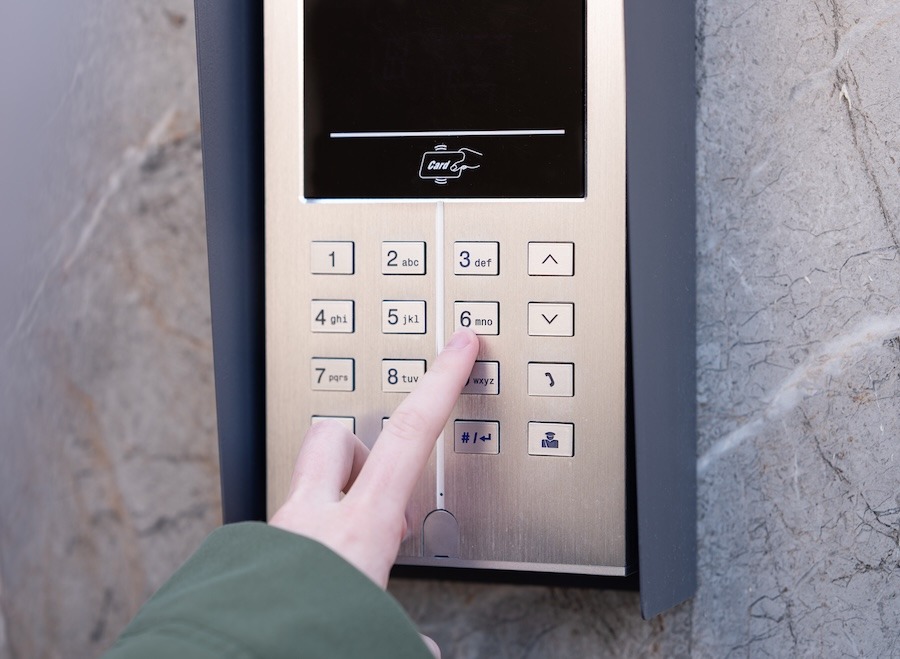
The typical flow is straightforward. A visitor approaches the panel, either enters a code or finds a name in the directory, and the system places a call. The person who answers can speak with the visitor and then press a key on their phone to trigger the gate open command. The system sends that signal to the gate operator, and the gate responds.
This process depends on several things working together. Power must be present at the panel. The communication method, whether landline, cellular, or network-based, must be functional. The internal electronics must be able to process the call and send the open signal. And the connection to the gate operator must be intact.
Older systems were often built around traditional landlines and analog electronics. They worked reliably in their time, but they typically lacked features like mobile integration, remote directory management, or flexible temporary codes. Newer systems are designed to route calls to mobile phones and allow remote updates, which fits the way many Las Vegas residents and property managers actually work and travel. However, the basic interaction at the gate remains the same.
What Matters Most for Reliable Temporary Access
Reliability is the first concern for any property owner who needs to grant temporary access. In desert conditions, outdoor exposure takes a toll on keypads, displays, and internal components.
Heat, dust, and direct sun can fade screens, crack plastic, and degrade wiring insulation over time. When a guest arrives and cannot read the instructions or press a button that actually registers, the system has failed its most basic purpose.
Durability varies depending on use patterns. Residential systems may see moderate daily traffic, but they still face constant weather exposure. Commercial or multi-tenant properties experience higher volumes of visitors, deliveries, and user changes, which accelerates wear on buttons, relays, and electronics. Heavy use also means directories need more frequent updates and components need more regular inspection.
Safety relates directly to system reliability. When a telephone entry system becomes unreliable, people start working around it. Gates get propped open. Codes get shared more widely than intended. Visitors attempt to follow other vehicles through before the gate closes. These workarounds create risks around moving gate equipment and undermine the controlled access the system was meant to provide.
Long-term cost is best understood in terms of the lifecycle of exposed hardware and ongoing communication needs. A well-installed system rated for outdoor use can last many years, but keypads, displays, and internal boards will eventually need service or replacement.
Communication plans, whether traditional phone service, cellular data, or network connections, introduce recurring costs that should be weighed against the convenience of mobile access and remote management.
Usability matters because temporary visitors are often encountering the system for the first time. Clear labeling, readable displays, and intuitive instructions make the difference between a smooth entry and a confused visitor calling the homeowner to ask what to do. In Las Vegas, where sun glare can make screens unreadable during certain hours, this practical visibility issue affects whether the system is actually usable when guests arrive.

Appearance and privacy also play a role. The entry panel is often the first contact point visitors have with a property. A faded or damaged panel signals neglect and creates confusion. At the same time, directory listings and display choices affect resident privacy, so thoughtful configuration matters beyond just aesthetics.
Common Misunderstandings About Gate Entry Systems
One of the most persistent misunderstandings is the belief that if the gate moves, the telephone entry system must be working correctly. In reality, these are separate systems. The gate operator controls the physical movement of the gate. The telephone entry system controls who can request that movement and how. A resident might open their gate with a remote every day without realizing the entry panel has not successfully connected a visitor call in months.
Another common assumption is that one permanent code can serve as a simple solution for all temporary visitors. While this seems convenient, codes that circulate beyond the intended group can undermine the entire point of controlled access. Over time, former contractors, past guests, and unknown parties may retain working codes, leaving property owners with a false sense of security about who can actually get through.
Many property owners also treat these systems as set-and-forget installations. In practice, communication methods change, user lists become outdated, and hardware condition deteriorates with exposure. A system installed five years ago may still power on but no longer perform reliably for the calls and codes it was originally configured to handle.
There is also a misconception that landline-based systems are always more dependable than cellular or network-based alternatives. Reliability depends on site-specific conditions, signal strength, provider quality, and ongoing upkeep. A cellular system properly installed in an area with good coverage can be just as dependable as a landline, and often offers more flexibility for property owners who want to manage access remotely.
How These Issues Appear in Everyday Use
In everyday situations, visitors struggle with faded keypads that no longer show numbers clearly. They squint at directories with outdated names or find that the person they are trying to reach has long since moved. Instructions that made sense when the system was new have worn off or become difficult to read in direct sunlight.
Common issues include codes that no longer match who lives or works on the property, panels that perform differently at various times of day due to heat or sun glare, and directories that have not been updated to reflect current tenants or residents.
In commercial or multi-tenant properties, heavy daily use leads to worn buttons and intermittent performance. Delivery drivers, vendors, and recurring service providers experience these limitations firsthand. They press buttons that stick, wait for calls that do not connect, or find that the system does not respond consistently from one visit to the next.
Residents and managers often discover these limitations only when a time-sensitive guest or contractor cannot get through. The pool service arrives during a heat wave and cannot reach anyone. A repair technician shows up for a scheduled appointment and waits outside the gate. These moments reveal that temporary access reliability requires more than just having a system installed.
When Professional Evaluation Makes Sense
Questions about setting up temporary access through telephone entry systems usually arise when people are installing new automatic gates, updating existing access control, or troubleshooting systems that no longer work as expected. These are moments when understanding how the entry system interacts with the gate operator, the communication method, and local environmental conditions becomes important.
Experienced gate professionals work with these systems routinely. They understand the relationship between the panel, the operator, and the communication infrastructure. They also understand how Las Vegas heat, dust, and sun exposure affect components over time. With more than 12 years serving the Las Vegas Valley and over 25 years of hands-on industry experience behind the work, DNG Automatic Gates has seen how these systems perform across residential and commercial properties in conditions specific to Southern Nevada.
Understanding Temporary Access as an Ongoing Balance
Telephone entry systems are central to how temporary guests and contractors actually get through an automatic gate. They are not just an add-on accessory. Understanding the system’s role, its dependencies, and its exposure to desert weather helps set realistic expectations for reliability and upkeep.
Temporary access is best viewed not as a one-time setting but as an ongoing balance between convenience, security, and long-term system performance. Codes and directories need periodic review. Components need inspection. Communication methods need to match how property owners actually want to receive and respond to access requests.
If you are considering installation, repair, or upgrades to your automatic gate or telephone entry system, a consultation can help clarify what approach makes sense for your property and your access needs. DNG Automatic Gates offers free estimates for property owners in Las Vegas, Henderson, Pahrump, and the surrounding valley. Visit the DNG Gates Contact Page or call (702) 505-3107 to discuss your specific situation.


