
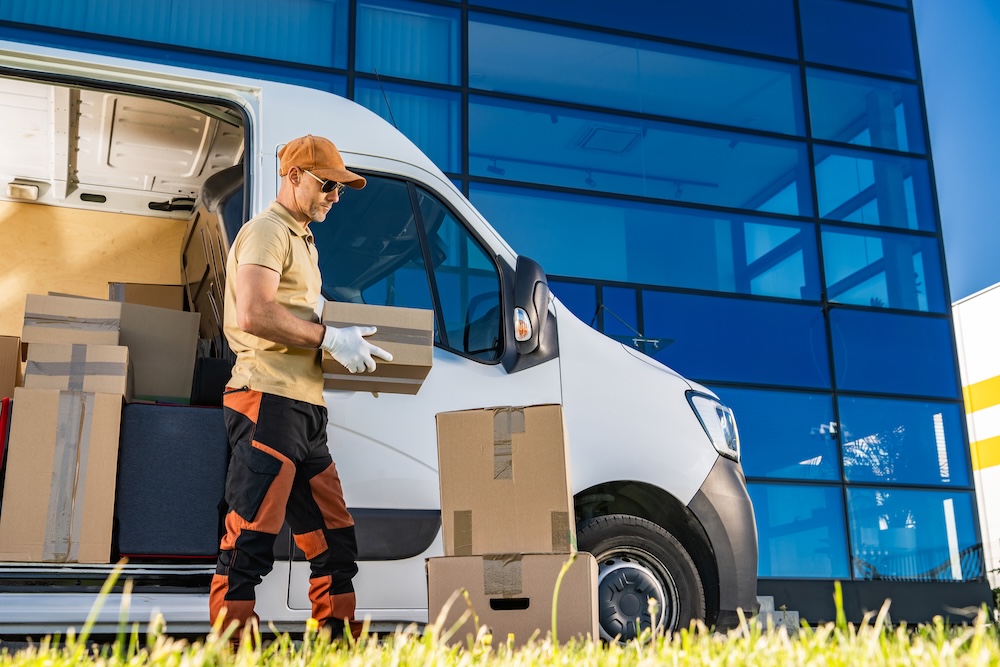
Delivery drivers can use a telephone entry system to request gate access, but they cannot open the gate on their own. The system requires a resident or property manager to answer the call and authorize entry through a brief relay command. This means successful delivery access depends on someone being available to grant permission at the moment the driver arrives.
For property owners in Las Vegas and the surrounding valley, understanding how these systems actually work helps set realistic expectations for package deliveries and visitor management. Those exploring telephone entry systems as part of a gate installation or upgrade should know what drivers experience when they approach the entry point.
How Telephone Entry Systems Handle Visitor Access Requests
A telephone entry system functions as a standalone device mounted at the gate, equipped with a keypad, call buttons, a speaker, and a microphone. When a delivery driver approaches, they either enter a unit code or press a labeled call button to reach the resident inside.
The system routes that call to a connected phone, whether a landline, apartment intercom, or in some cases a forwarded cell number. The resident answers, speaks with the driver through the audio connection, and decides whether to grant access.
If approved, the resident presses a key or button on their phone that sends a signal back to the system. That signal activates a relay wired to the gate operator, which opens the gate for a brief window, typically five to thirty seconds.

This process requires live interaction. The driver cannot bypass the call step. There is no automatic recognition of delivery vehicles or integration with shipping apps that would allow self-entry.
In residential settings around Las Vegas, this means the resident must be available and willing to answer. If they miss the call or the driver enters the wrong code, the gate stays closed. Commercial properties may have directory-based systems or pre-programmed vendor codes, but ad-hoc deliveries from rotating drivers still require coordination with someone inside.
The audio quality and responsiveness of the system also matter. Dust buildup on the microphone or speaker can muffle communication, leading to misunderstandings or repeated call attempts. These practical factors affect how smoothly deliveries actually go.
Why Delivery Access Depends on More Than Just the System Itself
Property owners sometimes assume that once a telephone entry system is installed, deliveries will flow through without issue. In practice, access reliability depends on several variables outside the system hardware.
Resident availability is the first factor. If no one answers the call, the driver cannot enter. This creates problems for residents who work during delivery hours or who cannot hear or reach their phone quickly.
Directory accuracy is another consideration. If the call buttons or unit listings are outdated, drivers may not know which code to enter. Turnover in multi-family properties can leave directories stale, frustrating repeat visitors who relied on previous information.
The physical environment in Southern Nevada introduces additional challenges. Desert heat degrades plastic housings and fades button labels over time. Wind-blown dust settles into keypads and speaker grilles, requiring periodic cleaning to maintain clear audio and responsive inputs.
Relay timing also matters. The gate operator needs to receive the open command and complete the motion within the allowed window. If the relay duration is too short or the gate motor is slow, the gate may begin to close before the driver clears the threshold. This mismatch between system settings and gate speed leads to incomplete opens or repeated attempts.
These factors mean that even a properly installed system requires ongoing attention. Owners who expect set-and-forget operation often encounter frustration when deliveries fail due to worn components, outdated directories, or timing issues that developed over months of use.
Common Misunderstandings About Driver Access and Gate Integration
A widespread belief is that delivery drivers can simply buzz themselves in without resident involvement. This is not how telephone entry systems work. The system is designed to require live permission for security purposes, preventing unauthorized access from anyone who approaches the keypad.
Drivers do not have universal codes or override capabilities. They rely entirely on the person inside to answer and authorize entry. This distinction matters for owners weighing convenience against security. The system protects the property precisely because it does not allow automatic entry.

Another misconception involves compatibility. Not all telephone entry systems integrate smoothly with every gate operator. The relay that triggers the open command must be wired correctly and timed to match the gate motor’s response. A mismatch can result in the gate starting to move but stopping short, or the command failing entirely.
Owners sometimes assume that newer systems handle these issues automatically. In reality, proper installation requires attention to relay wiring, timing adjustments, and coordination between the entry device and the gate operator. Skipping these steps leads to access failures that appear random but stem from integration gaps.
Durability assumptions also mislead some owners. Indoor phones and intercom panels last for years with minimal wear. Outdoor telephone entry stations in Las Vegas face constant sun exposure, temperature swings, and dust infiltration. Components that seem sturdy at installation may degrade within a few seasons without protective measures and regular maintenance.
Understanding these realities helps owners plan for actual performance rather than idealized convenience.
What Delivery Access Looks Like in Daily Use
When a delivery driver arrives at a gate equipped with a telephone entry system, the process unfolds in predictable steps. The driver locates the keypad, identifies the correct unit code or call button, and initiates a call.
The resident’s phone rings. If answered, a brief conversation confirms the delivery. The resident presses the designated key, and the gate begins to open. The driver waits for clearance, enters, and the gate closes behind them after the relay timer expires.
This sequence takes anywhere from thirty seconds to several minutes, depending on how quickly the resident responds. During peak delivery hours, drivers may attempt multiple calls if the first goes unanswered. Repeated calls add time and frustration for both parties.

In multi-family residential properties, this pattern repeats throughout the day as different carriers arrive. Each delivery requires a separate authorization unless the property uses scheduled vendor codes, which are more common in commercial settings.
Environmental wear shows up clearly in daily use. A microphone clogged with dust produces muffled audio, making it harder for residents to understand who is calling. Faded button labels force drivers to guess at unit codes. Heat-stressed keypads may register incorrect inputs or fail to respond on the first press.
Owners who schedule annual cleaning and inspection see more consistent performance. Those who neglect maintenance often discover problems only when deliveries stop getting through and complaints arrive from both residents and drivers.
What This Means for Gate Systems in the Las Vegas Valley
Telephone entry systems offer a practical way to manage visitor access at gated properties, but they are not hands-off solutions. Delivery drivers can request entry, yet every successful access depends on a resident answering and authorizing the gate to open.
For property owners in Las Vegas, Henderson, Pahrump, and the surrounding valley, this means planning for the realities of desert conditions and daily use. Dust, heat, and wind affect outdoor components over time. Relay timing must match the gate operator. Directories need periodic updates as tenants change.
These systems work well when installed correctly and maintained consistently. They do not eliminate the need for resident involvement, and they do not guarantee seamless deliveries without attention to upkeep.
Questions about telephone entry access often come up during automatic gate evaluations or when property owners begin considering upgrades to older access systems. DNG Automatic Gates has worked with residential and commercial properties throughout the Las Vegas Valley for more than 12 years, helping clients evaluate access control solutions based on their property layout, traffic flow, and day-to-day operational needs.
Owner Dave Williams brings over 25 years of hands-on experience with gate systems and entry integration, providing the technical background needed to assess compatibility and recommend practical, reliable configurations. Whether you are exploring a new telephone entry system or reviewing an existing setup, a consultation can help clarify what will work best for your specific gate configuration and access requirements.
Need a more dependable way to manage property access? Schedule a free estimate today by visiting https://dnggates.com/contact or call 702-505-3107 to speak with the Las Vegas team.


