
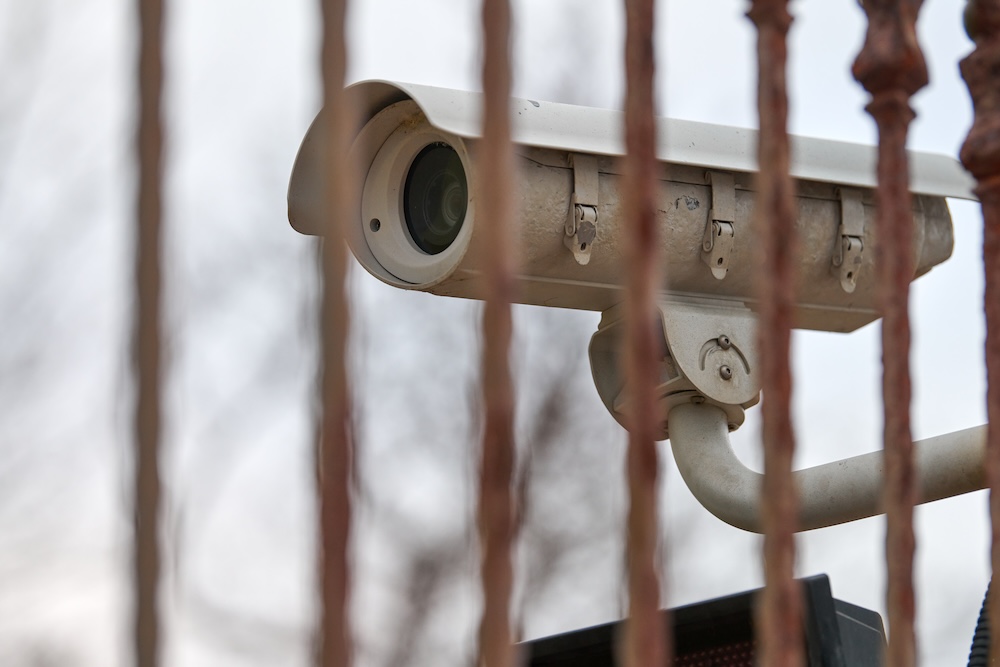
Integrating CCTV with an automatic gate system means connecting cameras and recording equipment so you can reliably see and review every person and vehicle that passes through your entry point.
In the Las Vegas Valley, that integration must account for desert heat, dust, and wind to perform consistently year after year. Whether you manage a residential driveway or a commercial property with heavy daily traffic, the goal remains the same: clear documentation of what happens at your gate when it matters most.
Understanding how these systems work together helps property owners in CCTV systems make informed decisions about coverage and long-term reliability.
Summary Introduction
The automatic gate controls physical access to your property. The CCTV system watches and records what happens around that access point. Integration is about making sure these two systems coordinate effectively so footage captures meaningful activity whenever the gate operates.
This coordination matters because a gate without proper camera coverage leaves gaps in your awareness. You may control who enters, but without reliable recordings, you cannot verify what actually occurred during any given access event.
For Las Vegas properties, the challenge extends beyond simple installation. Cameras, cables, housings, and mounts positioned near gates face intense sun exposure, temperature swings that stress components, and dust that can gradually degrade image quality. A system that performs well on installation day may struggle after a few summers if these factors were not considered during planning.
Both homeowners and commercial property managers pursue this integration for similar reasons. They want to see who requested access, confirm who actually entered, and have clear recordings available when questions arise or incidents occur.
What Effective Integration Actually Involves
Integrating CCTV with an automatic gate is less about linking electronics together and more about aligning camera placement and recording behavior with how the gate is actually used on your specific property.
The gate system handles movement, safety sensors, and access control devices like keypads, card readers, or remote receivers. The CCTV system handles viewing and recording. Each performs a distinct role, and integration focuses on making sure the camera coverage matches the access points the gate system controls.
In practice, this means positioning cameras to clearly capture call boxes, keypads, vehicle lanes, and any pedestrian access points. The goal is usable footage that shows faces, license plates, and activity at the exact moments when someone interacts with the gate.
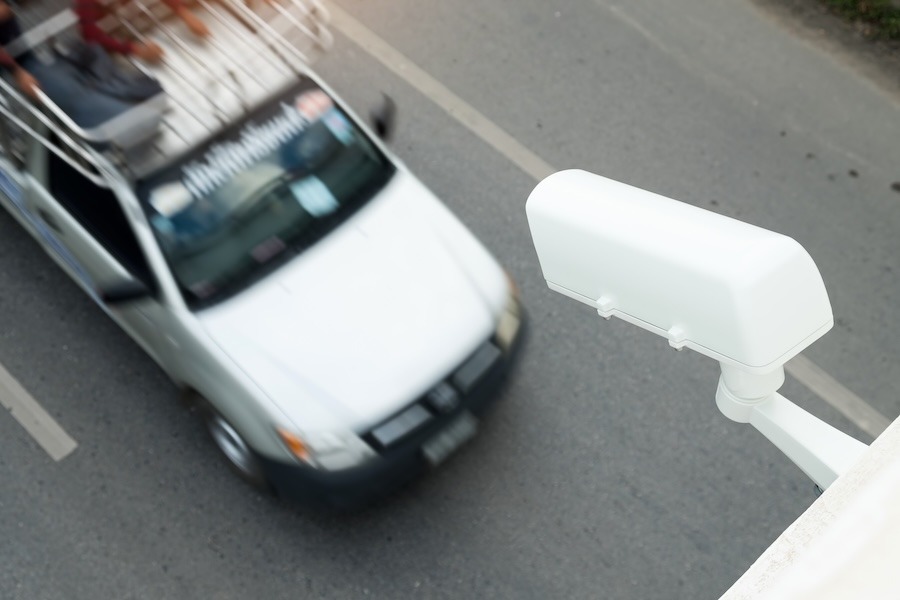
Camera placement requires attention to angles and distance. A camera mounted too far from the call box may capture a general view but miss details that matter. One positioned at the wrong angle may produce footage where faces are obscured or plates are unreadable due to glare.
Lighting conditions also affect results. In Southern Nevada, the sun’s position changes dramatically throughout the day, and direct sunlight can wash out footage during certain hours if camera placement does not account for it.
The physical environment at gate locations creates additional stress on equipment. Cameras and wiring installed near moving gate structures experience vibration. Vehicles passing through can bump poorly positioned mounts. Dust accumulates on lenses and housings. Heat degrades seals and connectors over time.
These factors mean that integration planning must consider not just initial coverage but also how the system will hold up through years of desert conditions and daily use.
What Matters Most to Property Owners
Reliable viewing and recording around the gate directly affect everyday peace of mind. Being able to check who pressed the call button, confirm who entered at a specific time, or review what happened when an alert was raised provides practical value that abstract security concepts cannot match.
For residential owners in Henderson, Pahrump, and throughout the Las Vegas Valley, usability often centers on simple access to live views and recordings. Seeing who is at the gate from inside the house or on a mobile device before granting access is a primary driver for integration. Having recordings available when something looks off extends that awareness beyond real-time monitoring.
Commercial and multi-tenant properties have different priorities. Frequent gate cycles throughout the day mean more events to capture and potentially review. Recording capacity and system responsiveness become more important when dozens or hundreds of access events occur daily.
Durability under Las Vegas conditions directly affects long-term cost. Equipment that cannot withstand intense sun, high temperatures on metal structures, dust intrusion, and wind will require more frequent repair, cleaning, or replacement. Cameras attached to moving or vibrating structures may need periodic attention to maintain alignment and clarity.
The initial equipment cost matters less than how well the chosen components and their placement hold up over time. A system that seems adequate at installation but degrades after two or three summers in the desert represents a poor investment compared to one designed for the environment from the start.
Safety also connects to visibility. Being able to see who is requesting access, how the gate is moving, and whether anyone or anything is near the gate path supports safer day-to-day operation. This applies especially to shared driveways, commercial yards, and multi-tenant entries where multiple people and vehicles interact with the gate regularly.
Common Misunderstandings About Gate Camera Integration
Many property owners assume that pointing a single camera toward the gate provides adequate coverage. In practice, the angle, distance, and lighting conditions make a significant difference in whether footage is actually useful when needed.
A camera that captures a general view of the gate area may still miss critical details. License plates can be unreadable if the camera is positioned too far away or at an angle that creates glare. Faces may be obscured if the camera height does not account for how people approach the call box or keypad.

Another common assumption is that once cameras are installed at the gate, they should operate indefinitely without attention. Outdoor cameras, connections, and mounts at gate locations face more stress than indoor equipment. In the Las Vegas climate, long-term exposure to heat, dust, and wind can gradually degrade housings, seals, and connectors.
Picture quality and reliability can decline slowly enough that the change is not obvious until footage is needed and turns out to be unusable. Periodic checks help maintain consistent performance, but many property owners do not expect this maintenance need when they first install the system.
There is also a misconception that a setup which works well on a quiet residential driveway will automatically be suitable for a busy commercial entrance. Higher traffic volumes, larger vehicles, and more frequent access events can expose weaknesses in camera placement, recording capacity, and system responsiveness that would not appear under lighter use.
Different usage patterns require different considerations during integration planning. A system designed for a few daily entries may struggle to keep up with commercial-level activity.
How Integration Shows Up in Daily Use
Everyday scenarios illustrate why gate-CCTV integration matters. A delivery arrives at a residential gate while the homeowner is at work. With proper integration, they can see who is at the call box through their mobile device, confirm the delivery vehicle, and grant access while having a recording of the entire interaction.
At a commercial yard, late-night access events may raise questions the next morning. Reliable recordings allow the property manager to review exactly who entered, when they arrived, and what vehicles were present without relying on memory or secondhand accounts.
Multi-tenant properties with frequent gate use depend on consistent coverage to address disputes or concerns. When multiple parties share an entrance, the ability to review specific events provides clarity that would otherwise be unavailable.
Over time, typical issues can emerge at gate locations even with properly planned systems. Cameras may slowly shift out of position due to vibration or physical contact. Dust accumulates on lenses and affects image clarity. Glare from the sun at certain hours can wash out footage. Connectors and cables may begin to fail from repeated heat exposure.
These realities mean that initial performance can differ significantly from performance after several years in the Las Vegas environment. A system that was not planned with durability and maintenance in mind may look adequate on day one but fail to deliver when recordings actually matter.
Working with Experienced Gate and CCTV Professionals
Questions about integrating CCTV with automatic gates typically arise in three situations. Property owners may be planning a new gate installation and want cameras included from the start. They may be adding cameras to an existing gate that currently lacks coverage. Or they may be trying to correct coverage gaps that became obvious after an incident revealed their current setup was inadequate.
This topic sits at the intersection of gate installation, access control, and camera system planning. Each area requires specific knowledge about equipment selection, placement considerations, and environmental factors that affect long-term performance.
In the Las Vegas Valley, environmental conditions often play a larger role in CCTV performance than many property owners initially expect. DNG Automatic Gates has served the region for more than 12 years, with owner Dave Williams bringing over 25 years of hands-on industry experience to automatic gate, CCTV, and access control projects throughout Las Vegas, Henderson, Pahrump, and surrounding communities. That field experience provides practical insight into how surveillance systems perform under the combined effects of heat, dust, sun exposure, and daily operational demands.
Effective CCTV integration is typically less about adding more equipment and more about ensuring that camera placement, recording behavior, and system configuration align with how the gate is actually used. Factors such as traffic patterns, visibility requirements, storage settings, environmental exposure, and long-term maintenance expectations can all influence how useful the system will be when footage is needed.
Property owners considering CCTV installation, repairs, upgrades, or broader access control evaluation may benefit from discussing how these considerations apply to their specific property and monitoring goals. Consultations and system evaluations are available for those seeking additional guidance, and a free estimate can be requested through the DNG Gates Contact Page or by calling (702) 505-3107.


