
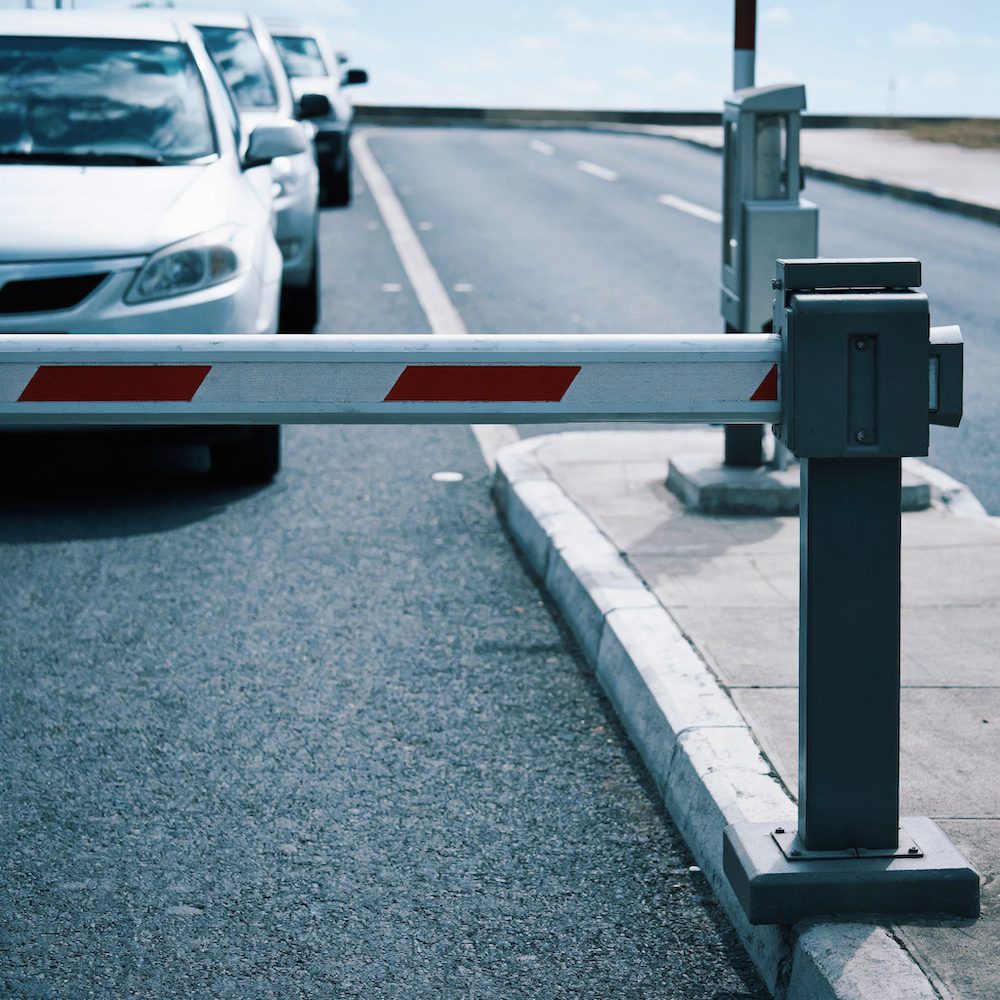
A barrier arm motor under heavy use typically lasts between 5 and 10 years, though actual lifespan depends on installation quality, environmental conditions, and maintenance practices.
For properties in Las Vegas and the surrounding valley, understanding what affects motor longevity helps owners plan for replacements and avoid unexpected failures.
This article explains the factors that determine how long these motors hold up and what property owners can do to extend their service life. For broader context on pedestrian access systems and how they integrate with barrier configurations, pedestrian gates offer a related point of reference.
What Determines Barrier Arm Motor Lifespan
The rated cycle count on a barrier arm motor provides a starting point for estimating how long the unit will last. Manufacturers typically rate motors for a specific number of open-close cycles, often ranging from 500,000 to over 1 million depending on the grade of equipment.
Heavy use changes the math significantly. A parking structure entrance processing hundreds of vehicles per day will accumulate cycles far faster than a residential driveway gate that opens a handful of times daily.
Cycle count alone does not tell the whole story. The conditions under which those cycles occur matter just as much. A motor running in controlled temperatures with clean air will age differently than one exposed to desert heat, dust infiltration, and temperature swings.
Installation quality plays a foundational role in how the motor performs over time. Improper mounting, misaligned arms, or inadequate electrical connections create stress on components that accelerates wear.
The internal gearbox and drive mechanism handle the physical load of raising and lowering the arm. Cheaper units often use plastic gears or lighter-duty components that wear faster under continuous operation.
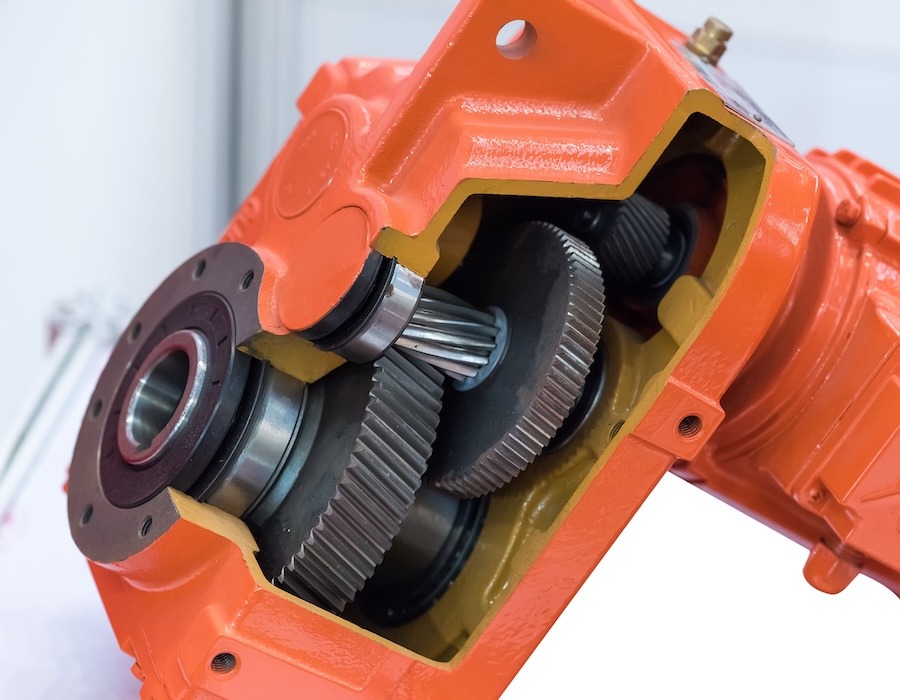
Commercial-grade barrier motors are built with heavier internal components designed for sustained high-cycle use. Residential-grade equipment placed in a commercial application will typically fail prematurely because it was never designed for that duty cycle.
How Desert Conditions Affect Motor Durability
Las Vegas presents specific challenges for any outdoor mechanical equipment. Barrier arm motors in the valley face extreme heat, fine particulate dust, and occasional high winds that impact performance and longevity.
Summer temperatures regularly exceed 110 degrees. Motors generate their own heat during operation, and when ambient temperatures are already elevated, internal components run hotter than intended.
Sustained high heat degrades lubricants faster. Grease inside the gearbox can thin out or break down, reducing its protective qualities and increasing metal-on-metal contact.
Electrical components also respond to heat stress. Capacitors, relays, and control boards have rated operating temperatures, and exceeding those limits shortens their functional lifespan.
Dust infiltration is another constant concern. Fine desert particulates work their way into housings, settle on circuit boards, and mix with lubricants to form an abrasive paste.
Seals and gaskets on motor housings help limit dust intrusion, but over time these materials degrade in UV exposure and heat. Once seals fail, dust accumulation accelerates internal wear.
Wind-driven debris can cause physical damage to arms and mounting hardware. Repeated stress from wind gusts places additional load on the motor and gearbox during operation.
Proper installation accounts for these conditions. Positioning equipment to minimize direct sun exposure when possible, selecting units with appropriate environmental ratings, and scheduling regular maintenance all help mitigate the effects of the desert climate.
Signs a Barrier Arm Motor Is Wearing Out
Recognizing early warning signs allows property owners to plan for replacement before a complete failure disrupts access. Barrier arm motors rarely fail without some indication that wear is progressing.
Slower operation is often the first noticeable change. If the arm takes longer to raise or lower than it did when new, internal resistance from worn gears or degraded lubricants may be the cause.
Unusual sounds during operation indicate mechanical wear. Grinding, clicking, or straining noises suggest gearbox issues or bearing problems that will worsen over time.
Inconsistent movement is another warning sign. If the arm hesitates, stutters, or stops mid-cycle before continuing, the motor or control board may be struggling to complete the operation.
Increased heat from the motor housing after operation points to internal friction or electrical issues. Motors should warm during use but should not become excessively hot to the touch.
Failure to respond to commands intermittently often indicates control board degradation or connection problems. These electrical issues sometimes precede complete motor failure.
Visible damage to the housing, mounting hardware, or arm mechanism should prompt inspection. Cracks, corrosion, or loose components create additional stress on the motor during operation.
Tracking maintenance history helps establish baseline performance. When changes from normal operation become apparent, having records allows for more accurate assessment of remaining useful life.
Maintenance Practices That Extend Motor Life
Regular maintenance significantly impacts how long a barrier arm motor remains functional. Neglected equipment fails faster than equipment that receives periodic attention.
Lubrication is fundamental. Gearbox components and pivot points require appropriate grease or oil applied at manufacturer-recommended intervals. In dusty environments, more frequent lubrication may be necessary.
Cleaning removes accumulated dust and debris before it causes damage. Wiping down housings, clearing vents, and inspecting seals should happen on a scheduled basis.
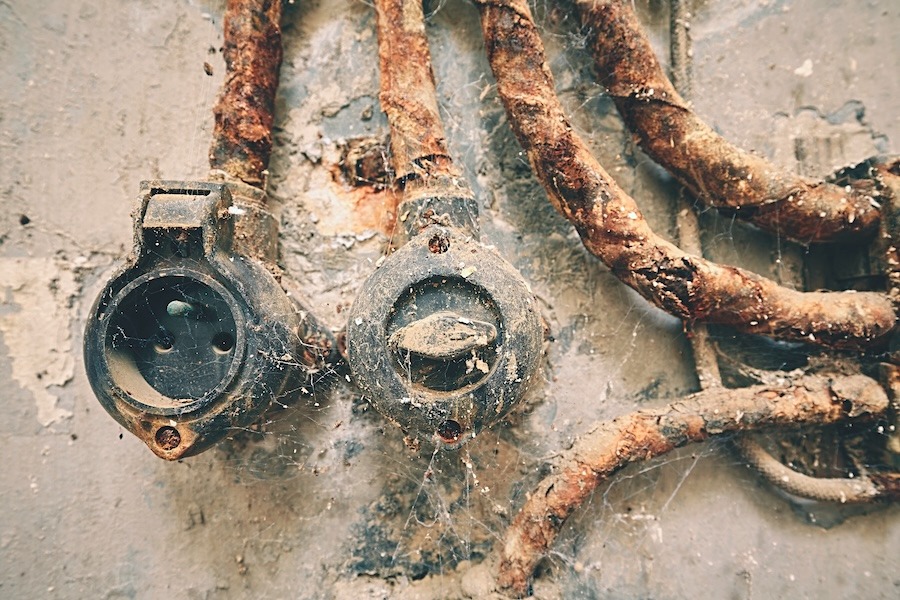
Electrical connections require periodic inspection. Loose terminals, corroded contacts, or damaged wiring create resistance that generates heat and stresses components.
Limit switch adjustment ensures the motor stops at the correct positions. Misaligned limits cause the motor to work against mechanical stops, adding unnecessary strain.
Balance and alignment checks confirm the arm moves freely without binding. An arm that drags or sticks forces the motor to work harder on every cycle.
Control board inspection identifies early signs of component failure. Burnt marks, swollen capacitors, or corrosion on boards indicate problems that will worsen.
Seasonal inspections before and after the hottest months help catch heat-related damage early. Components stressed during summer may show wear that was not apparent before.
Professional service technicians can assess internal components that property owners cannot easily inspect. Periodic professional evaluation provides a more complete picture of equipment condition.
Planning for Replacement Under Heavy Use Conditions
Property owners managing high-traffic access points benefit from proactive replacement planning rather than waiting for failure. Barrier arm motors in commercial applications represent critical infrastructure that affects daily operations.
Understanding the expected lifespan based on cycle count and conditions allows for budgeting and scheduling. A motor rated for 1 million cycles under ideal conditions may reach end of life much sooner in a demanding Las Vegas installation.
Keeping spare components on hand reduces downtime when repairs are needed. Common wear items like limit switches, capacitors, or control boards can often be replaced without full motor replacement.
When replacement becomes necessary, upgrading to higher-rated equipment may make sense if usage has increased since the original installation. Equipment that matched needs five years ago may be undersized for current traffic volumes.
Proper removal and installation during replacement affects the lifespan of the new motor. Reusing worn mounting hardware or failing to address alignment issues carries problems forward into the new equipment.
Documentation of the replacement date and equipment specifications establishes a new baseline for tracking future performance and planning the next replacement cycle.
Considering Your Barrier Arm System
Barrier arm motor longevity under heavy use depends on equipment quality, installation practices, environmental conditions, and ongoing maintenance. Property owners in Las Vegas and throughout the valley face specific challenges from heat and dust that affect how long these systems last.
Understanding what to expect and recognizing early warning signs of wear helps avoid unexpected failures that disrupt access. Regular maintenance extends useful life, while proactive planning ensures replacements happen on schedule rather than during emergencies.
If you are evaluating a barrier arm system, considering replacement, or have questions about maintenance intervals for your specific installation, a consultation can help clarify what to expect. DNG Automatic Gates offers free estimates and can assess your current equipment condition. Visit the DNG Gates Contact Page or call (702) 505-3107 to discuss your situation.


