
When an automatic gate won’t close properly, the problem usually traces back to sensor misalignment, dust-bound tracks, or heat-related expansion rather than a failed motor. Across residential swing gates and commercial slide systems in the Las Vegas Valley, these environmental factors account for the majority of closing issues. Understanding what actually causes a gate to hesitate, reverse, or stall helps property owners recognize fixable conditions before assuming the worst.
This article explains how automatic gate closing problems develop in Southern Nevada conditions and what those symptoms indicate about the system. For broader context on how automatic gate installation and service connects to long-term reliability, that background shapes much of what follows.
Why Automatic Gates Stop Closing in Desert Conditions
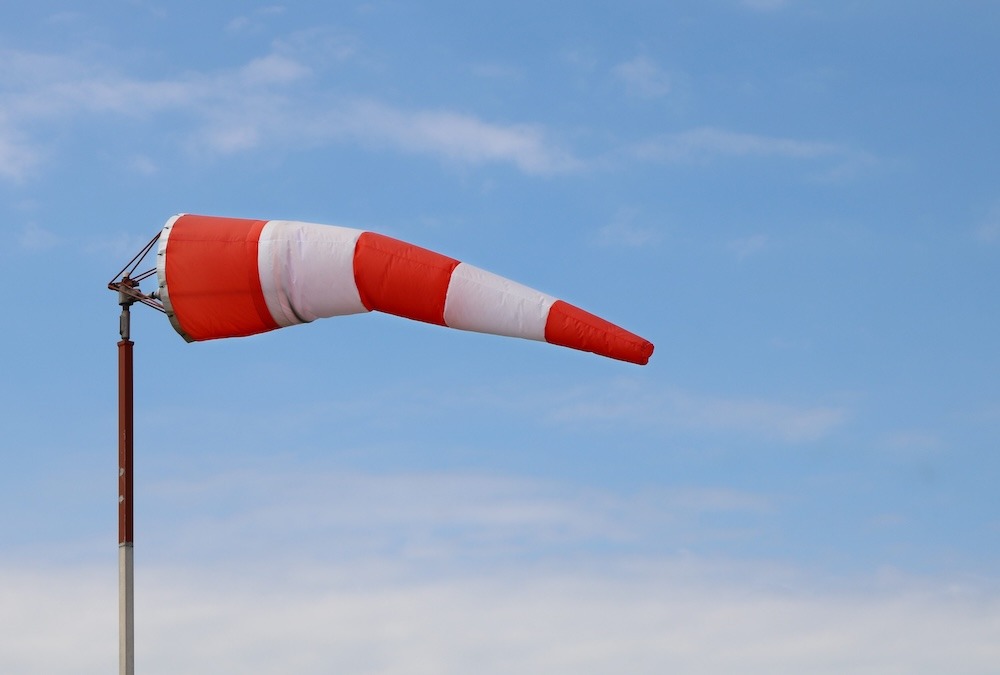
The desert climate in Southern Nevada creates specific challenges that directly affect how automatic gates perform over time. Temperatures exceeding 110°F cause metal components to expand unevenly throughout the day. Tracks can bow by a quarter inch during peak afternoon heat, creating binding points that did not exist in the morning. Wind gusts reaching 50 mph shift sensor alignments and stress hinges on swing gates. Dust accumulates on every surface, packing into tracks, coating rollers, and settling on photo-eye lenses.
These conditions affect both residential and commercial gate systems, though the symptoms appear differently. A residential swing gate may sag slightly by late afternoon as hinges absorb heat, causing the gate edge to catch against the post or ground. A commercial slide gate handling hundreds of cycles per month accumulates dust in its track faster, creating resistance the motor must overcome.
The gate’s safety system interprets these environmental effects as potential hazards. When photo-eye sensors detect a beam interruption from dust buildup or misalignment, the gate reverses. When edge sensors measure increased resistance from a binding track, the system stops to prevent crushing. These responses are intentional safety features, not malfunctions.
What appears as a broken gate is often a gate responding correctly to conditions that need attention. The motor itself typically remains functional. The system simply cannot distinguish between a child in the gate path and a dust-coated sensor lens.
How Safety Sensors Affect Gate Closing Behavior
Modern automatic gates installed after 2010 include dual safety mechanisms that directly control closing behavior. Photo-eye sensors project an invisible beam across the gate path, typically near ground level. Edge sensors or force limiters measure physical resistance along the gate’s leading edge. Both systems must confirm safe conditions before the gate completes its closing cycle.
When a gate reverses mid-close, stalls repeatedly, or times out after multiple attempts, one of these safety systems has detected an issue. Photo-eye sensors trip when anything breaks the beam, including debris, shadows from afternoon sun angles, or misalignment caused by post settling or wind impact. The system cannot tell whether the obstruction is a person, a tumbling branch, or simply a shifted sensor housing.
Edge sensors and force limits work differently. These measure how much resistance the gate encounters during movement. If the gate binds against a warped track, drags against accumulated dust, or meets any unexpected friction, the system interprets this as potential entrapment and reverses.
This behavior reflects UL325 safety standards that became mandatory around 2005. Earlier systems relied on mechanical limits alone, leading to serious injuries that prompted stricter requirements. Current systems prioritize safety over convenience, which means a properly functioning gate will refuse to close when conditions suggest any possibility of obstruction or binding.
Understanding this helps reframe the problem. A gate that won’t close is often a gate that won’t close unsafely. Adjusting force settings to override these responses violates safety compliance and creates real entrapment risks. The correct approach addresses the underlying cause rather than bypassing the safety response.
Common Causes Behind Closing Failures
Track and roller issues account for a significant portion of gates that bind or stall during closing. In Las Vegas conditions, dust infiltrates unsealed roller assemblies and packs into track channels. Without regular cleaning, this buildup creates friction that increases incrementally until the motor strains audibly or the force sensors trigger a stop. Rollers without protective seals deteriorate faster, sometimes losing half their expected service life to dust contamination alone.
Foundation settling presents another common cause. Concrete pads and gate posts shift over time, particularly in newer developments where soil compaction continues for years after construction. This settling changes track alignment or post positions by fractions of an inch, enough to create binding points or misalign sensor beams. A gate that closed perfectly for three years may suddenly develop problems as the underlying structure shifts.
Hinge wear affects swing gates specifically. Residential swing gates pivot on hinges that bear the full weight of the gate panel through every cycle. Heat expansion stresses these connection points daily. Over time, hinges sag, allowing the gate to drop slightly and catch against the ground or strike plate. This problem worsens throughout hot afternoons and may improve overnight as temperatures drop.
Motor overheating occurs when operators lack adequate ventilation or shade. Desert sun raises enclosure temperatures well beyond ambient air readings. Motors include thermal cutoff switches that stop operation when internal temperatures exceed safe limits. A gate that works fine in the morning but refuses to close by mid-afternoon may be experiencing thermal protection rather than mechanical failure.
Each of these causes produces distinct symptoms. Binding creates audible strain and physical resistance. Sensor issues cause immediate reversal without apparent obstruction. Thermal cutoff produces complete inactivity during hot periods with normal operation returning after cooling.
What Maintenance Prevents Closing Problems
Quarterly maintenance addresses the environmental factors that cause most closing failures in Southern Nevada. Track cleaning removes accumulated dust and debris before buildup reaches levels that create binding. This involves clearing the channel, inspecting for damage, and ensuring proper drainage so monsoon debris does not pack into the system.
Roller and wheel inspection identifies wear before seizure occurs. Rollers require lubrication appropriate for dusty conditions. Greasing schedules depend on cycle frequency, with commercial gates needing more frequent attention than residential systems that may only operate a few times daily.

Photo-eye sensor alignment checks confirm that beams cross the gate path correctly. Wind shifts these sensors gradually, and foundation movement changes their relative positions. Realignment takes minutes but prevents the repeated reversals that frustrate daily operation.
Force limit testing verifies that safety systems respond appropriately. This involves checking that the gate reverses when meeting resistance within acceptable thresholds. Testing should confirm safety function without altering factory settings that ensure compliance with current standards.
Hinge inspection on swing gates identifies sag before it creates catching. Tightening hardware, lubricating pivot points, and checking for wear at connection points extends hinge life and maintains proper gate alignment.
These maintenance tasks match the specific demands of desert operation. Property owners in other climates may maintain gates annually. In Las Vegas, Henderson, and the surrounding valley, quarterly attention reflects the accelerated wear that heat, dust, and wind impose on every component.
Recognizing When Professional Evaluation Makes Sense
Some closing problems resolve with cleaning, alignment, and basic maintenance within any property owner’s capability. Others indicate conditions that require professional assessment to address correctly.
Persistent reversal after sensor cleaning suggests issues beyond surface contamination. Internal sensor damage, wiring degradation from heat cycling, or control board faults require diagnostic equipment and replacement components. Attempting repairs without proper testing risks creating additional problems or leaving underlying causes unaddressed.
Audible motor strain that continues after track cleaning may indicate internal motor wear, improper sizing from original installation, or electrical supply issues. Commercial gates cycling hundreds of times monthly experience wear patterns that differ significantly from residential systems. Evaluation should account for actual usage demands rather than applying residential assumptions to commercial applications.
Control board error codes, where systems include diagnostic capability, provide specific information about fault conditions. Interpreting these codes correctly guides appropriate repairs rather than speculative parts replacement.
Questions about gates not closing properly often arise during broader discussions of automatic gate system performance with DNG Automatic Gates in Las Vegas. With more than 12 years serving the valley and owner Dave Williams bringing over 25 years of hands-on industry experience, the perspective comes from sustained field work rather than manufacturer literature alone. Closing issues that appear intermittent or difficult to explain often benefit from evaluation that connects the symptoms to their underlying causes within Southern Nevada conditions.
Property owners considering repairs, upgrades, or broader system evaluation may find it helpful to discuss how their current setup is functioning and whether adjustments to operators, sensors, alignment, or access controls would improve long-term reliability. Those interested in additional guidance or a free estimate can visit the DNG Gates Contact Page or call (702) 505-3107 to discuss their specific situation.


