
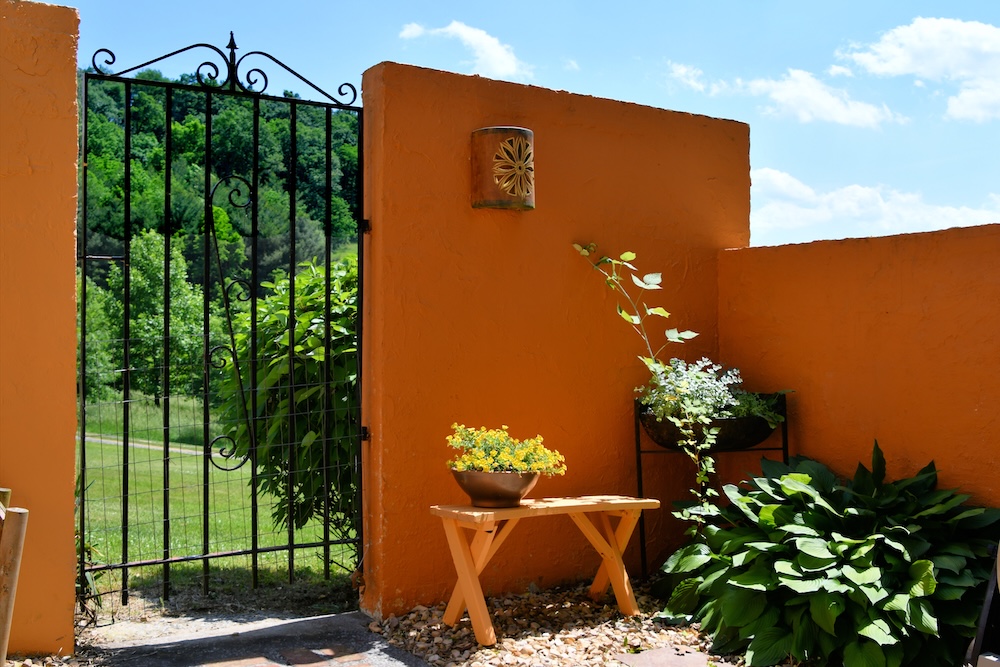
A backyard gate should open in the direction that best matches how the space is used, keeps people and vehicles safe, and allows the gate hardware to work reliably over time. In Las Vegas, that means looking closely at how the gate interacts with driveways, walkways, and wind, especially when automatic gate systems are involved. The answer is not governed by a universal rule but by the practical realities of each property’s layout and daily use patterns.
Homeowners and property managers often find themselves second-guessing which way a backyard gate should open. They might worry that an outward-swinging gate creates a hazard near a sidewalk, or that an inward swing will eat up usable yard space. When automatic operators are added to the mix, it can feel even more uncertain. Will the gate clear vehicles parked nearby? Will it fight against desert wind? Will the system hold up over years of cycling in the Las Vegas climate?
These are practical concerns that deserve straightforward answers. Understanding how swing direction actually affects gate performance helps property owners make informed decisions rather than relying on assumptions or outdated beliefs about how gates are supposed to work.
How Swing Direction Affects Gate Operation
In practical terms, the swing direction of a backyard gate controls where the gate leaf travels and what it might come into contact with as it opens and closes. An inward-swinging gate moves into the yard or private space, while an outward-swinging gate moves toward the outside area. That outside area might be a driveway, side yard, or shared path depending on the property layout.
For automatic gates, the operator and arms are positioned around that chosen direction. The entire system is engineered to move the gate along that specific path, which means the swing direction is locked in once the installation is complete. Changing it later is not a simple adjustment but a significant reconfiguration of hardware and mounting points.
The decision is less about a universal correct direction and more about how the gate’s movement fits the actual layout and daily use of the property. A gate that swings smoothly into an open yard space behaves very differently from one that opens toward a narrow driveway or into an area where vehicles park regularly.
In residential backyards, the swing direction often comes down to available clearance and how the gate feels to use. In commercial or multi-tenant properties, the calculation includes vehicle flow, parking arrangements, and how access control systems interact with traffic patterns. The same gate installed on two different properties might need to swing opposite directions based purely on how each site is organized.
With more than 25 years of hands-on experience in gate systems, the approach that tends to work best treats swing direction as a performance choice tied to real conditions rather than a checkbox on an installation form.
What Matters Most When Choosing Swing Direction
For most people, the swing direction matters because it affects how safe and comfortable the gate feels every time it is used. A gate that swings into the path of pedestrians or vehicles creates friction in daily routines. A gate that opens smoothly into clear space becomes something people stop thinking about because it simply works.
Reliability comes into play when repeated opening and closing occurs in heat, dust, and wind. In the Las Vegas Valley, automatic gates may cycle dozens of times per day on busy properties. Each cycle places stress on hinges, operators, and latches. If the swing direction works against the prevailing conditions, that stress compounds over months and years.
Safety concerns show up where a swinging gate might move into a space used by cars or pedestrians. A backyard gate that opens outward toward a sidewalk or shared drive lane can interfere with people or vehicles passing close by. For automatic gates, the swing path must remain clear so the gate does not strike obstacles during operation.

Long-term cost is influenced by how much stress the chosen swing direction puts on the mechanical components. Hinges that constantly fight wind loading wear differently than hinges that work with the natural forces on the property. Operators that push against resistance cycle after cycle require more frequent service than those moving a gate along an unobstructed path.
In residential backyards, privacy and clear use of the space often drive the decision. Many homeowners prefer inward-swinging gates because they keep the gate movement contained within the private area. In commercial or multi-tenant properties, vehicle flow and controlled access become central considerations that may override personal preference.
Common Misunderstandings About Gate Swing Direction
A frequent misunderstanding is believing there is a single rule that backyard gates must always open in or always open out, regardless of layout or use. This assumption leads people to install gates based on what they think is correct rather than what actually works for their property.
Another common assumption is thinking that the swing direction is only about how it feels to walk through the opening. This ignores how the direction affects operator placement, wind loading, and possible conflict with driveways or sidewalks. The physical experience of stepping through a gate is just one small piece of a larger operational picture.
Some people also expect that converting a manual gate to automatic operation will not change any considerations around swing direction. In reality, the powered movement and equipment clearances can make the original direction less practical. A manual gate that swings comfortably in one direction might create clearance problems once an operator arm is attached and needs room to move.
These assumptions create a gap between what people expect from a gate and how it actually performs in the field. A property owner who installs a gate based on a supposed universal rule may find themselves dealing with unexpected wear, awkward operation, or safety concerns that could have been avoided with a site-specific evaluation.
The misunderstandings tend to surface months or years after installation when problems accumulate. By then, addressing the swing direction means significant work rather than a simple conversation during the planning phase.
How Swing Direction Shows Up in Daily Use
In everyday situations, swing direction issues appear in specific and predictable ways. A gate that swings into a parked vehicle creates frustration and potential damage. A gate that blocks a walkway during operation forces people to wait or navigate around it. A gate caught by a strong gust of wind can slam unexpectedly or strain against its operator.
Homeowners in the Las Vegas Valley often notice the gate behaving differently depending on wind conditions. A gate that swings into the prevailing wind may move smoothly on calm days but struggle or surge during gusts. A gate oriented the opposite direction might catch wind like a sail, placing sudden loads on hinges and operators.
In shared-access settings, a poorly oriented gate can interfere with traffic patterns or feel unpredictable to users who are not familiar with the property. Delivery drivers, guests, and service personnel all interact with the gate, and their experience is shaped by how naturally the gate movement fits the site.
Over time, hinges, latches, and automatic operators can show extra wear if the gate frequently works against environmental forces or space constraints created by the chosen swing direction. This wear translates into maintenance calls, part replacements, and service intervals that might have been less frequent with a different configuration.
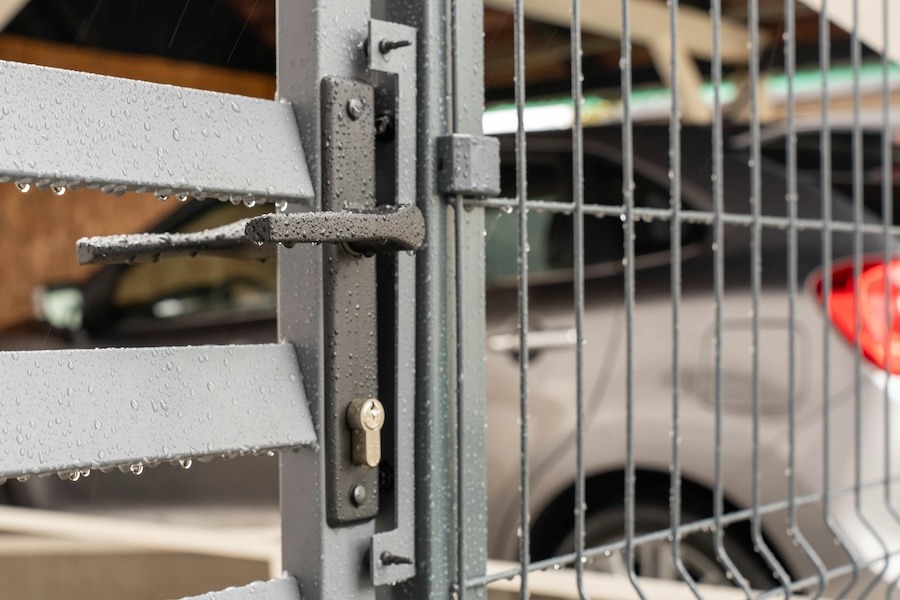
Desert conditions in Southern Nevada add specific variables that do not apply in other climates. Dust accumulation affects hinges and operator mechanisms. Extreme heat expands metal components. Wind gusts arrive suddenly and with force. All of these factors interact with swing direction in ways that become apparent only after the gate has been operating through multiple seasons.
Connecting Swing Direction to Long-Term Gate Performance
Questions about whether a backyard gate should open in or out often come up when people are planning, upgrading, or troubleshooting automatic gate systems. Installers familiar with local conditions evaluate swing direction alongside operator placement, hardware selection, and how the gate will perform over years of use.
The direction a backyard gate opens is not a minor detail or a one-size-fits-all rule. It shapes how the gate behaves every day in the spaces people actually use. Seeing swing direction as a practical choice tied to layout, traffic, and the Las Vegas desert environment helps set more realistic expectations about comfort, safety, and long-term reliability.
For property owners in Las Vegas, Henderson, Pahrump, and throughout the Las Vegas Valley, the swing direction decision is worth careful consideration before installation begins. What seems like a simple choice during planning becomes a fixed characteristic of the system once the hardware is in place.
DNG Automatic Gates has served the Las Vegas Valley for more than 12 years, with owner Dave Williams bringing over 25 years of hands-on industry experience to every installation, repair, and system evaluation. That experience informs decisions that may seem minor at first—such as gate swing direction—but can have a significant impact on daily convenience, safety, maintenance requirements, and long-term system performance under Southern Nevada conditions.
Factors such as property layout, driveway slope, traffic patterns, clearance requirements, and access control integration can all influence which gate configuration makes the most sense for a particular site. Property owners considering installation, repairs, upgrades, or broader system evaluation may benefit from discussing how these considerations apply to their specific situation. Consultations and system evaluations are available for those seeking additional guidance, and a free estimate can be requested through the DNG Gates Contact Page or by calling (702) 505-3107.


