

The most reliable gate opener brands are those whose motors, control boards, and safety components perform consistently under real-world conditions over several years of use. In the Las Vegas Valley, reliability means something specific: an opener that handles extreme heat, blowing dust, and wind without frequent breakdowns or unexpected failures. For property owners evaluating automatic gate systems, understanding what makes a brand dependable in practice matters more than recognizing a name from marketing materials.
Reliability shows up in daily experience. It appears in how smoothly the gate moves, whether remotes respond on the first press, how the system handles a windy afternoon, and whether safety sensors work as expected month after month. This article explains what actually determines opener reliability, why brand alone does not guarantee performance, and what Las Vegas property owners should consider when choosing equipment for residential or commercial use.
How Reliability Is Actually Measured in Automatic Gate Openers
Reliability in gate openers is not determined by a single feature or specification. It emerges from how well the entire system behaves under repeated use and environmental stress. The core components that matter include the motor, control board, limit sensors, safety devices like photo-eyes or sensing edges, and access controls such as remotes and keypads.
In Southern Nevada, these components face specific challenges. Summer temperatures routinely exceed 110 degrees. Dust and sand find their way into mechanical assemblies. Wind loads push against gates during operation. A brand that performs well in mild climates may struggle here if sealing around the motor and electronics is inadequate or if metal components cannot tolerate thermal expansion.
What separates dependable openers from problematic ones often comes down to how long consumable parts last before replacement becomes necessary. Rollers, hinges, limit switches, belts, chains, and batteries all wear over time. Reliable brands tend to use components that hold up for reasonable intervals and remain available when replacement is needed.
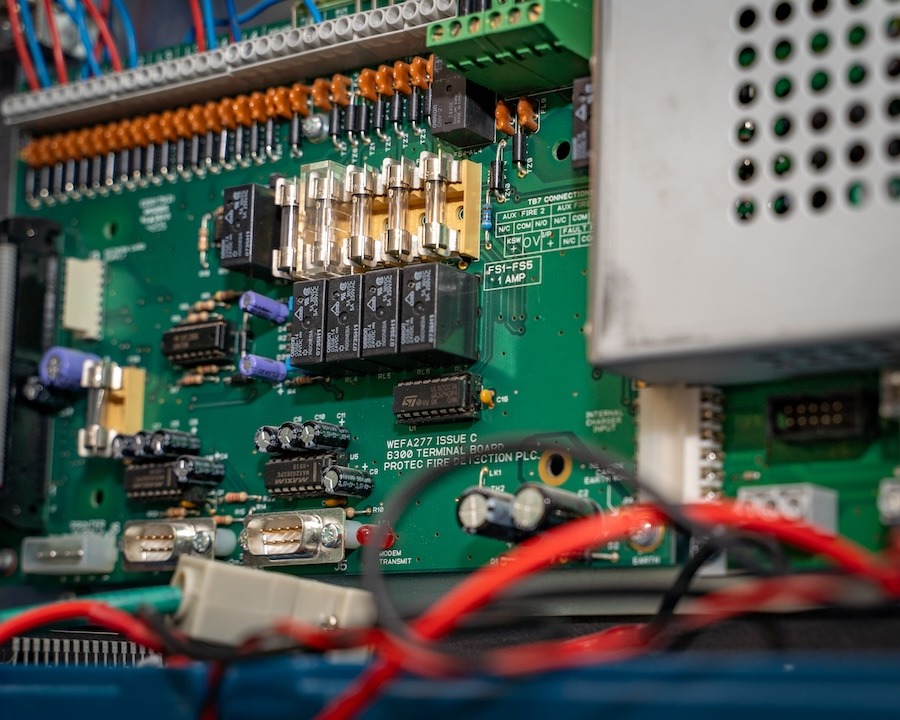
The control board deserves particular attention. This is the electronic brain that manages motor speed, safety inputs, and access signals. Boards that tolerate heat without throwing errors or failing prematurely contribute significantly to overall system reliability. Poor board design can make an otherwise solid motor appear unreliable.
Day-to-day dependability also depends on how the opener handles imperfect conditions. Gates shift slightly over time. Tracks collect debris. Hinges develop play. An opener that continues functioning predictably even when the gate is not in perfect alignment demonstrates genuine reliability.
Why Brand Name Alone Does Not Guarantee Performance
A common misconception is that one particular brand stands above all others in every situation. In practice, reliability depends heavily on matching the opener to the specific job. Gate weight, frequency of use, exposure to weather, and whether the application is residential or commercial all influence which equipment performs best.
Most established brands produce multiple product lines. A residential swing gate operator from a well-known manufacturer is engineered differently than the same brand’s heavy-duty commercial sliding gate operator. Confusing these categories leads to disappointment when lighter equipment is pushed beyond its intended duty cycle.
A residential opener installed on a gate that cycles dozens of times daily will strain and fail regardless of the name on the housing. Similarly, a robust commercial operator can appear unreliable if installed on a gate that drags, sits out of alignment, or faces wind loading beyond design parameters.
Installation quality affects perceived reliability as much as the equipment itself. An opener from any brand can develop problems if mounting is improper, wiring connections are loose, or safety devices are misaligned from the start. Field experience consistently shows that installation practices determine a significant portion of long-term performance.
In the Las Vegas Valley, where DNG Automatic Gates has installed and serviced systems for over 12 years, the patterns are clear. The same brand can perform excellently on one property and struggle on another depending on how well the system was matched and installed. Owner Dave Williams, with more than 25 years in the industry, has observed that customers who focus only on brand often overlook the factors that matter most.
What Older Systems Got Right and Where They Fell Short
Many older automatic gate systems relied on simpler control boards with fewer integrated safety features. Brand reputation in those years was tied almost entirely to motor durability. How long would the motor run before burning out? How much mechanical stress could it handle?
In that era, it was common for residential users to apply light-duty operators to heavier gates or higher-traffic situations because options were limited. The differences between residential and commercial product lines were not always clear to end users. This sometimes created impressions that certain brands were unreliable when the real issue was misapplication.
Older systems also offered less refinement in how the gate moved. Soft-start and soft-stop behavior was less common. Gates would lurch into motion and slam to a stop, increasing stress on hinges, posts, and the operator itself. Safety features were more basic, and integration with access controls was limited.
Some legacy systems still operate today, sometimes for decades. Their longevity can be impressive, but they may not meet current expectations for smooth operation, safety compliance, or integration with modern access devices. A system that works is not necessarily a system that works well by current standards.
As electronics, remotes, and access controls have advanced, reliability now includes electronic stability alongside mechanical robustness. Brands that did not keep pace with these changes may still function but no longer represent the full picture of what reliable means today.
Practical Factors Las Vegas Property Owners Should Evaluate
Property owners comparing gate opener brands benefit from focusing on real-world behavior rather than reputation alone. Several practical considerations apply directly to Southern Nevada conditions.
Heat tolerance matters significantly. An opener that runs reliably in coastal California may struggle when ambient temperatures exceed 115 degrees and direct sun heats the operator housing even further. Brands with better sealing and heat-resistant electronics tend to perform more consistently through summer months.
Dust and debris affect sensors and moving parts. Photo-eyes that lose alignment or accumulate grit will cause nuisance faults. Chains and belts exposed to blowing sand wear faster. Openers designed with these conditions in mind, or properly protected during installation, require less frequent intervention.
Wind loading is a genuine concern. A gate that operates smoothly in calm conditions may bind or hesitate when wind pushes against it. Openers with adequate power reserves and stable control logic handle these situations better. Undersized equipment will struggle and may trigger safety stops or error codes during gusty conditions.

For residential users, quiet operation, smooth motion, and consistent remote range matter most in daily experience. The gate should open and close reliably when leaving for work or returning home without hesitation or delay.
Commercial and multi-tenant properties face different demands. Higher cycle counts stress components faster. Access control integration must work reliably for multiple users. Downtime affects business operations and creates access problems for tenants or customers. Equipment rated for commercial duty cycles, properly matched to traffic volume, provides the reliability these settings require.
Long-term cost depends more on parts availability and service frequency than on initial purchase price. A brand with readily available components and stable designs reduces the inconvenience and expense of waiting for specialized parts when service is needed.
Emerging Features and What They Mean for Reliability
In recent years, more brands have introduced smart features such as app-based controls, remote monitoring, and integration with security systems. These additions change what reliability means in practice.
Mechanical reliability remains essential, but electronic reliability now matters equally. Stable connections, responsive apps, and dependable communication between devices contribute to the overall experience. An opener that runs perfectly but drops its connection to access controls or monitoring systems creates frustration.
Advanced safety features have also become more common. Refined soft-start and soft-stop behavior reduces stress on gate hardware. Improved obstacle detection provides better protection for people, vehicles, and pets. When implemented well, these features improve daily experience and safety performance.
However, more electronics also means more components that must withstand heat and environmental exposure. In harsh climates, the additional complexity can introduce new failure points if quality is compromised. Reliability now requires both mechanical robustness and electronic stability.
Property owners considering systems with smart features should evaluate whether the added functionality matches their actual needs. A reliable basic system often outperforms an unreliable advanced one.
Requesting a Consultation or Evaluation
Choosing the right gate opener involves more than selecting a brand. It requires matching equipment to the gate itself, the intended use, and the conditions it will face. Property owners in Las Vegas, Henderson, Pahrump, and throughout the Las Vegas Valley benefit from evaluating their specific situation with someone who understands local conditions.
DNG Automatic Gates offers free estimates for property owners considering installation, repair, or system upgrades. With more than 12 years serving the Las Vegas Valley and Dave Williams’ 25-plus years of hands-on experience, the company can help assess what equipment fits your application and explain what to expect from different approaches.
To discuss your specific situation or request an evaluation, visit the DNG Gates Contact Page or call (702) 505-3107.


