

Yes, modern telephone entry systems allow property owners to open their gates remotely using a smartphone from virtually any location with cellular or internet connectivity. This capability has become standard in current access control technology, transforming how residential and commercial properties manage entry points. The functionality depends on the type of system installed, the communication method it uses, and how the system integrates with your existing gate operator.
Understanding what makes remote access work in practice helps property owners make informed decisions about installation and long-term use. For a broader understanding of how these systems function, telephone entry systems provide the foundation for this type of remote control capability.
How Smartphone-Based Gate Access Actually Works
Remote gate control through a smartphone relies on a communication bridge between your phone and the gate operator. The system receives a command from your device and translates it into a signal that activates the gate motor.
Most modern systems use either cellular networks or internet-based connections to establish this link. Cellular systems operate through dedicated SIM cards installed in the entry unit, allowing communication independent of property WiFi. Internet-based systems connect through the property’s network and route commands through cloud servers.
When you tap a button in the app, the signal travels to the system’s servers, which verify your credentials and send an activation command to the entry unit at your gate. The entry unit then triggers the gate operator just as it would for someone entering a code at the keypad.
The entire process typically takes one to three seconds under normal network conditions. Delays can occur when cellular coverage is weak or internet connectivity is unstable.
This differs from traditional remote controls that use radio frequency signals with limited range. Smartphone control removes distance limitations entirely, allowing you to grant access whether you are inside your home or across the country.
The reliability of this system depends heavily on consistent network availability at the gate location. Properties in areas with poor cellular reception may experience inconsistent performance with cellular-based systems. In these cases, hardwired internet connections often provide more dependable results.
What You Need for Remote Gate Control to Function Properly
Smartphone gate access requires specific components working together. The gate operator itself must be compatible with the entry system or equipped with an interface module that allows communication between the two.
The telephone entry system serves as the control hub. Modern units designed for smartphone integration include built-in cellular modems or ethernet ports for network connectivity. Older systems without these features cannot support remote access without hardware upgrades or replacement.
A dedicated app provided by the entry system manufacturer handles the user interface. These apps allow property owners to unlock gates, view access logs, manage user permissions, and receive notifications when someone requests entry.

Power supply stability affects system performance significantly. Entry systems require consistent electrical supply to maintain network connections. In Las Vegas and the surrounding valley, power fluctuations during extreme heat months can disrupt connectivity if the system lacks surge protection or battery backup.
Programming and configuration determine how the system behaves. Initial setup requires pairing the app with the entry unit, establishing user accounts, and defining access permissions. Improper configuration leads to connectivity failures or security gaps.
Professional installation matters because the entry system must communicate reliably with the gate operator. The wiring between components, the placement of antennas for cellular systems, and the network configuration for internet-based units all influence whether remote access works consistently or becomes a source of frustration.
Practical Limitations Property Owners Should Understand
Remote gate access works well under normal conditions, but several real-world factors affect reliability. Understanding these limitations helps set realistic expectations.
Network dependency is the primary constraint. If cellular service is disrupted or internet connectivity fails at the property, remote commands cannot reach the gate. This becomes relevant during severe weather events, service outages, or network maintenance.
Response time varies based on network traffic and server load. During peak usage periods, commands may take longer to process. For time-sensitive situations, this delay can feel significant.
App functionality depends on manufacturer support. If the company discontinues the product line or stops maintaining the app, functionality may degrade over time. Choosing established manufacturers with track records of long-term support reduces this risk.
Security considerations matter because smartphone-based access creates potential vulnerabilities. Strong passwords, two-factor authentication when available, and regular app updates help protect against unauthorized access. Systems that store credentials on remote servers require trust in the manufacturer’s security practices.

Battery life on older smartphones or tablets used as dedicated controllers can affect reliability. Devices must remain charged and connected to function as access points.
Physical conditions at the gate also play a role. Extreme heat in the Las Vegas Valley can affect cellular modem performance over time. Proper enclosure ventilation and shading help maintain consistent operation during summer months when temperatures regularly exceed 110 degrees.
Not all gate operators integrate smoothly with every entry system. Compatibility verification before purchase prevents situations where components cannot communicate effectively.
Differences Between Residential and Commercial Remote Access Needs
Residential and commercial properties have different requirements for remote gate control, and systems designed for one application may not suit the other.
Residential systems typically manage access for a small number of users. A homeowner might grant permanent access to family members and temporary access to service providers, delivery drivers, or guests. The app interface prioritizes simplicity and ease of use for individual property owners.
Commercial properties require more sophisticated user management. A business might need to track dozens or hundreds of authorized users, assign different access levels, and maintain detailed logs for security or compliance purposes. Commercial-grade systems offer administrative controls that residential units lack.
User capacity differs significantly between system tiers. Entry-level residential systems may support ten to twenty users comfortably. Commercial systems designed for apartment complexes, gated communities, or business facilities handle hundreds of users with individual credentials and access schedules.
Durability requirements also vary. Commercial installations experience higher usage frequency and require components rated for continuous operation. Residential systems built for lighter use may wear faster in commercial applications.
Integration capabilities separate commercial systems from residential options. Businesses often need gate access to coordinate with security cameras, alarm systems, or building management platforms. Commercial telephone entry systems offer integration protocols that residential units typically omit.
Cost reflects these differences. Commercial systems with advanced features require larger investments but deliver functionality that residential systems cannot match. Property owners should assess actual needs before selecting a system tier.
What This Means for Property Owners in the Las Vegas Valley
Smartphone-based gate control has become a practical option for properties throughout Las Vegas, Henderson, Pahrump, and the surrounding areas. The technology works reliably when systems are properly selected, installed, and configured for local conditions.
Desert climate considerations influence system longevity. Heat-resistant enclosures, proper ventilation, and components rated for extreme temperatures help maintain consistent performance through summer months. Dust accumulation on sensors and connections requires periodic cleaning during windy seasons.
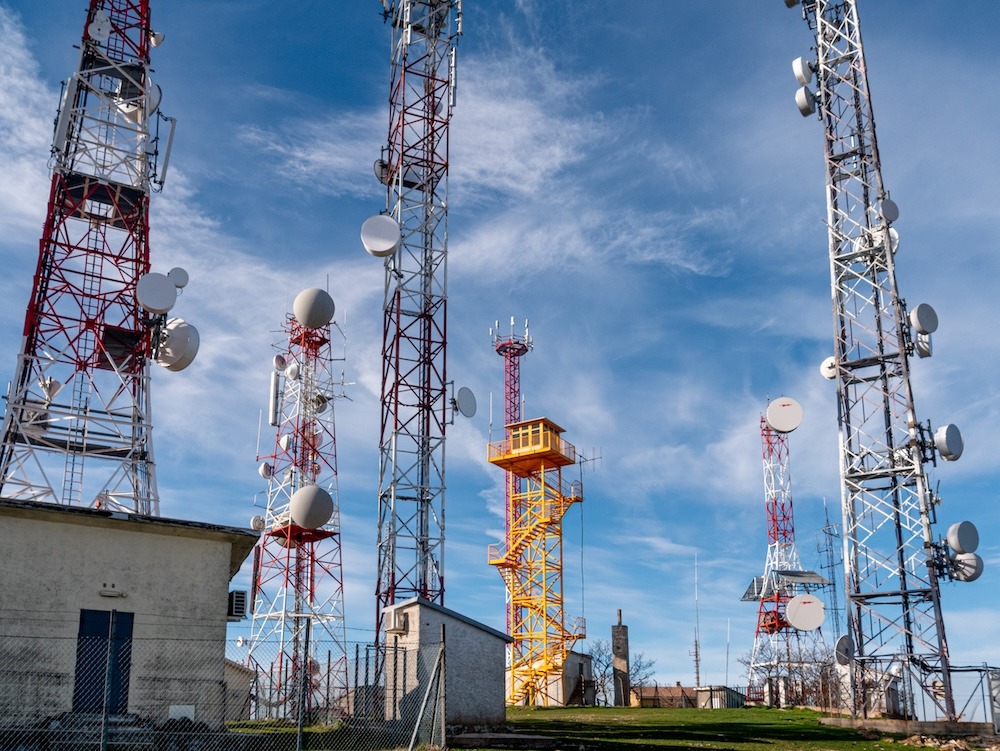
Cellular coverage varies across the valley. Properties in developed areas typically have strong coverage from multiple carriers, making cellular-based systems viable. More remote locations may benefit from internet-connected systems with hardwired connections.
The practical value of remote access depends on how property owners actually use their gates. Those who frequently grant access to visitors, manage rental properties, or travel regularly find significant convenience in smartphone control. Properties with predictable access patterns may find traditional keypads or remote controls sufficient.
Professional evaluation helps determine which system configuration matches specific property needs. Factors including gate operator compatibility, network availability, user count, and integration requirements all influence the right choice.
DNG Automatic Gates has installed and serviced telephone entry systems throughout the Las Vegas Valley for more than 12 years, helping residential and commercial property owners choose access control solutions that fit their actual site conditions and daily usage needs. Owner Dave Williams brings over 25 years of hands-on experience with gate operators and entry systems, providing the technical expertise needed to evaluate compatibility, avoid common setup issues, and recommend configurations that remain dependable over time.
Whether you are adding remote access to a new gate system or upgrading an existing entry setup, a professional consultation can help clarify which options make the most sense for your property. DNG Automatic Gates works with clients across Las Vegas, Henderson, Pahrump, and surrounding areas to design practical, reliable entry solutions built for long-term performance.
Ready to improve access control and convenience for your property? Schedule a free estimate today by visiting https://dnggates.com/contact or call 702-505-3107 to speak with the Las Vegas team.


