

Driveway gates create a physical barrier that may delay unauthorized entry, but they do not reliably prevent determined thieves from accessing a property. In the Las Vegas Valley, these systems face additional challenges from desert dust, extreme heat, and wind that affect their day-to-day reliability. Understanding what a driveway gate actually does—and what it does not do—helps property owners set realistic expectations when considering automatic gate installation for security purposes.
Why Property Owners Question Gate Effectiveness
The concern behind this question often comes from uncertainty about whether a driveway gate provides real protection or simply looks secure.
Homeowners hear stories about break-ins where barriers failed to stop intruders. They wonder if the investment makes a practical difference or just creates an appearance of safety.
This doubt grows when gates start showing problems. A dust storm rolls through Henderson or Pahrump, and suddenly the gate sticks halfway open. Sensors stop responding. The remote works intermittently.
When mechanical issues surface during everyday use, confidence drops. Property owners start questioning whether the system will perform when it actually matters.
These concerns are reasonable. A gate that fails during normal operation raises legitimate questions about its reliability under pressure.
The answer requires understanding what driveway gates are designed to do and how desert conditions in Southern Nevada affect their function over time.
What a Driveway Gate Actually Does
A driveway gate system consists of several core components working together: the gate structure itself, an electric operator motor, a control board, safety sensors, and access devices like remotes or keypads.
When the system receives a signal from a remote or keypad code, the operator motor engages and moves the gate along its track or swing arc. Safety sensors monitor for obstructions and trigger a reversal if something blocks the path.
The gate creates a physical barrier at the property entrance. This barrier controls vehicle and pedestrian access by requiring authorization before entry.
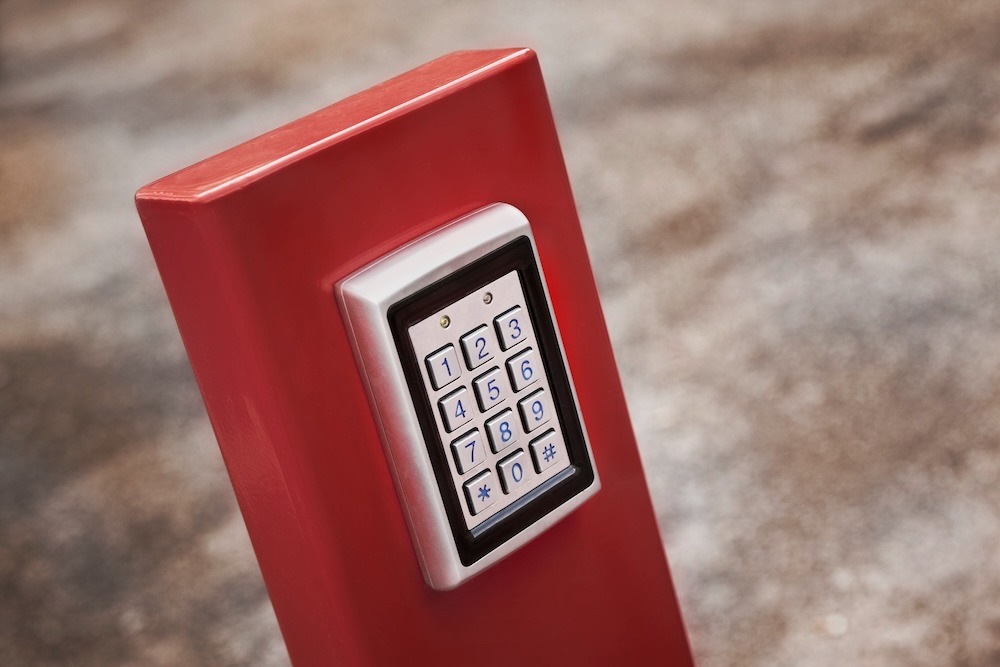
However, the barrier provides delay rather than prevention. A determined intruder can climb over a gate, cut through certain materials, or force the mechanism. The gate slows entry but does not guarantee stopping it.
Residential gates typically handle lower traffic volume with lighter-duty operators suited for family use. Commercial gates use heavier-duty equipment designed for higher cycle counts and more frequent access throughout the day.
Both types share the same fundamental limitation: they control access through delay, not absolute prevention.
In Las Vegas Valley conditions, both residential and commercial systems face the same environmental stressors that affect mechanical reliability—dust accumulation, heat exposure, and wind load on moving parts.
Factors That Affect Gate Reliability in Southern Nevada
Reliability in the Las Vegas Valley depends heavily on how well a gate system handles desert-specific conditions.
Dust presents the most persistent challenge. Windblown debris accumulates on sensors, tracks, and motor components. This buildup causes erratic operation—gates that open or close unpredictably, sensors that fail to detect obstructions, remotes that work inconsistently.
During peak dust seasons, sensors may require monthly cleaning to maintain proper function. This frequency differs significantly from milder climates where three-month intervals might suffice.
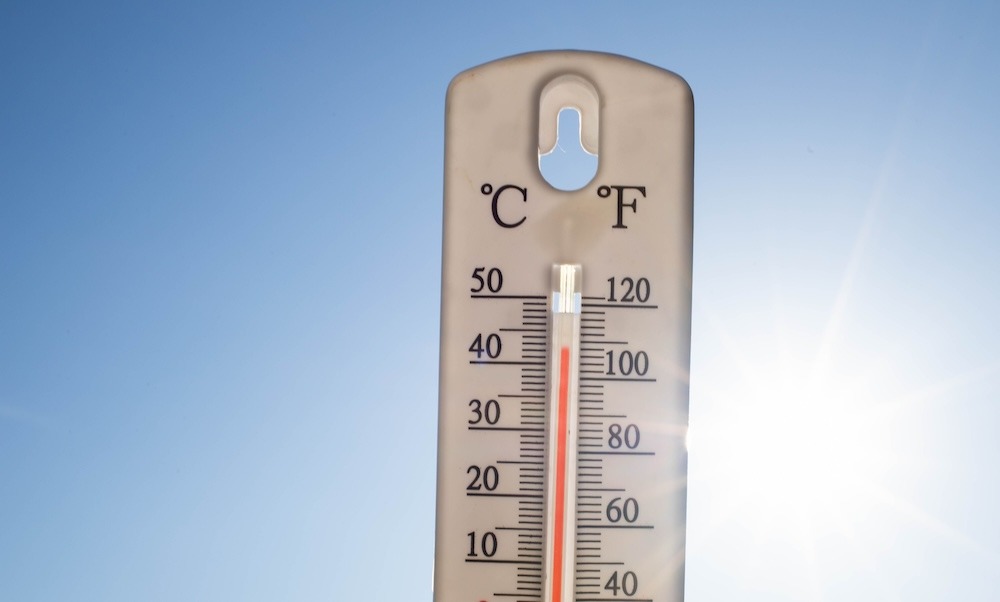
Heat accelerates wear on motors and electronics. When temperatures exceed 110 degrees, operator motors run under increased strain similar to how air conditioning compressors work harder during summer months. Extended runtime in extreme heat shortens component lifespan.
Low humidity creates another issue that catches many property owners off guard. When humidity drops below ten percent, static electricity builds up and interferes with sensors and control boards. This can cause false reversals or communication failures between remotes and receivers.
Wind places structural stress on gate panels and operators. Strong gusts bind tracks and force motors to work against resistance they were not designed to handle continuously.
These conditions do not make driveway gates impractical in the Las Vegas Valley. They do mean that maintenance expectations differ from other regions.
A gate installed in Southern Nevada requires more frequent attention to maintain the same reliability level as identical equipment in a milder climate.
Common Assumptions That Need Adjustment
Several assumptions about driveway gates do not hold up under examination.
The most common is that gates are essentially thief-proof because they look imposing. A tall wrought iron gate with spear-point finials appears formidable. That appearance may discourage casual opportunists, but it does not stop someone willing to climb or use tools.
The visual presence creates a psychological barrier more than a physical one. This has value, but it differs from actual prevention.
Another widespread belief is that gates require little attention after installation. Property owners expect a “set it and forget it” experience similar to other permanent fixtures around a home.
In desert conditions, this assumption leads to problems. Dust accumulation degrades sensor performance gradually. By the time the gate malfunctions noticeably, multiple components may need service rather than simple cleaning.
Older gate systems without modern electronics avoided some current issues. Static electricity interference, for example, affects today’s sensor-dependent systems more than purely mechanical designs from decades past.
Understanding these limitations does not diminish the practical value of a driveway gate. It does clarify what property owners can reasonably expect from the investment.
How This Shows Up During Daily Use
Real-world performance illustrates these points clearly.
A residential gate in the northwest Las Vegas Valley operates normally for weeks, then a dust storm passes through overnight. The next morning, the gate opens partway and stops. The photoelectric sensor has accumulated enough debris to interrupt the beam incorrectly.
The homeowner presses the remote again. The gate reverses instead of completing its cycle. Without knowing the cause, this seems like a major malfunction. In practice, cleaning the sensor lens restores normal operation within minutes.
Heat-related issues show up differently. During extended summer afternoons, a gate that cycles repeatedly—children coming and going, deliveries arriving—may slow its response time as the motor temperature climbs. This is normal thermal behavior, not failure, but it affects usability during peak household activity.
Static discharge in dry winter months can make remotes seem unreliable. A property manager in Henderson might find the remote works from fifteen feet one day and barely functions at five feet the next. Humidity levels fluctuating near single digits cause this inconsistency.
Commercial gates face similar challenges amplified by higher cycle counts. A business entrance that opens fifty times daily accumulates dust faster and runs motors harder than a residential gate used five times per day.
Wind binding affects swing gates and slide gates differently. Swing gates fight direct wind load on their panels. Slide gates accumulate debris in tracks that increases friction and motor strain.
None of these conditions make gates unsuitable for Southern Nevada properties. They define the maintenance reality that keeps systems functioning reliably.
Setting Practical Expectations for Gate Performance
Viewing a driveway gate as a delay tool rather than a security guarantee aligns expectations with reality.
The gate controls routine access. It prevents casual drive-up entry. It requires anyone approaching to either have authorization or make a deliberate effort to bypass the barrier.
That deliberate effort takes time. Time creates risk for someone attempting unauthorized entry. This delay has practical value even if it does not provide absolute prevention.
Maintaining that value in Las Vegas Valley conditions requires attention to the system throughout its service life. Cleaning sensors, inspecting tracks, monitoring motor performance, and addressing static interference keeps the gate functioning as intended.
Safety sensors deserve particular attention. These components—both photoelectric beam sensors and contact edge sensors—protect people and vehicles from entrapment. Dust and static affect their reliability, and failure creates liability concerns beyond simple inconvenience.
Property owners considering automatic gates benefit from understanding this full picture before installation. Knowing the maintenance demands helps with budgeting and scheduling. Knowing the functional limitations prevents disappointment.
DNG Automatic Gates has worked with residential and commercial properties across the Las Vegas Valley for more than twelve years. Dave Williams brings over twenty-five years of hands-on experience with these systems in desert conditions. That field experience consistently confirms the relationship between proper maintenance and reliable gate function in Southern Nevada’s demanding climate.
Property owners evaluating gate installation, repair, or upgrades can reach DNG Automatic Gates in Las Vegas to discuss their specific situation and determine whether a driveway gate system fits their practical needs and maintenance capacity.


