
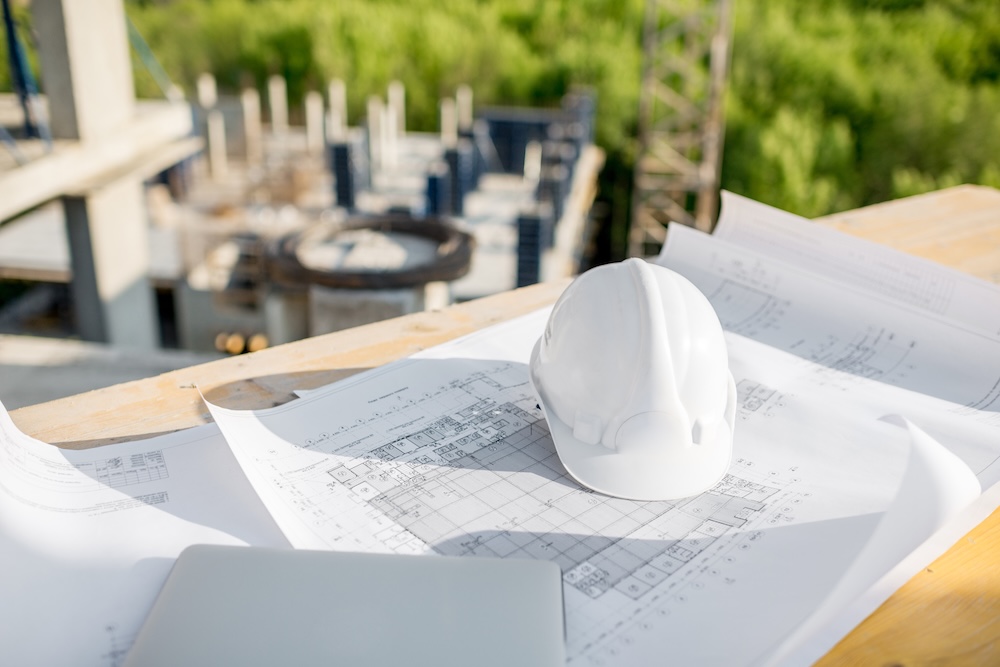
In most cases, yes—installing an automatic gate in Las Vegas and the surrounding valley typically requires a permit. The specific requirements depend on your property type, gate dimensions, and whether electrical work or structural footings are involved.
Understanding permit requirements before installation helps avoid delays, failed inspections, and potential fines. For property owners considering an automatic gate system, knowing what to expect from the permitting process makes the project run more smoothly from start to finish.
Why Las Vegas Requires Permits for Automatic Gates
Local building departments require permits for automatic gate installations because these systems involve structural, mechanical, and electrical components. A gate attached to posts set in concrete footings becomes a permanent structure. Adding an electric operator means electrical circuits must meet code.
Permit requirements exist to verify that installations follow safety standards. Gates that swing or slide carry pinch-point and entrapment risks. Improperly installed systems can injure people, damage vehicles, or fail prematurely.
Clark County, the City of Las Vegas, Henderson, and other municipalities each have their own permitting processes. Requirements can vary by jurisdiction, so confirming with your local building department early prevents surprises.
Commercial properties often face additional requirements. Fire department access, ADA compliance, and emergency vehicle entry all factor into the approval process for business installations.
Permit fees vary based on project scope. Electrical permits may be separate from structural permits. Some jurisdictions require licensed contractors to pull permits rather than allowing homeowner applications.
What the Permit Process Typically Involves
The permit process generally begins with submitting plans that show gate location, dimensions, and operator specifications. Site plans indicating property lines, driveways, and setbacks help reviewers understand the installation context.
Electrical drawings may be required when hardwired operators are part of the system. These show circuit routing, disconnect locations, and load calculations.
Review times vary by jurisdiction and workload. Simple residential projects may clear review in days. Complex commercial installations with fire access requirements can take longer.
Once permits are approved, inspections follow at key stages. Footing inspections verify that post holes meet depth requirements before concrete is poured. Electrical inspections confirm wiring meets code before systems are energized. Final inspections check completed installations for safety compliance.
Failing an inspection means corrections must be made before the project can proceed. Working with an experienced installer familiar with local codes reduces the risk of inspection failures and costly rework.
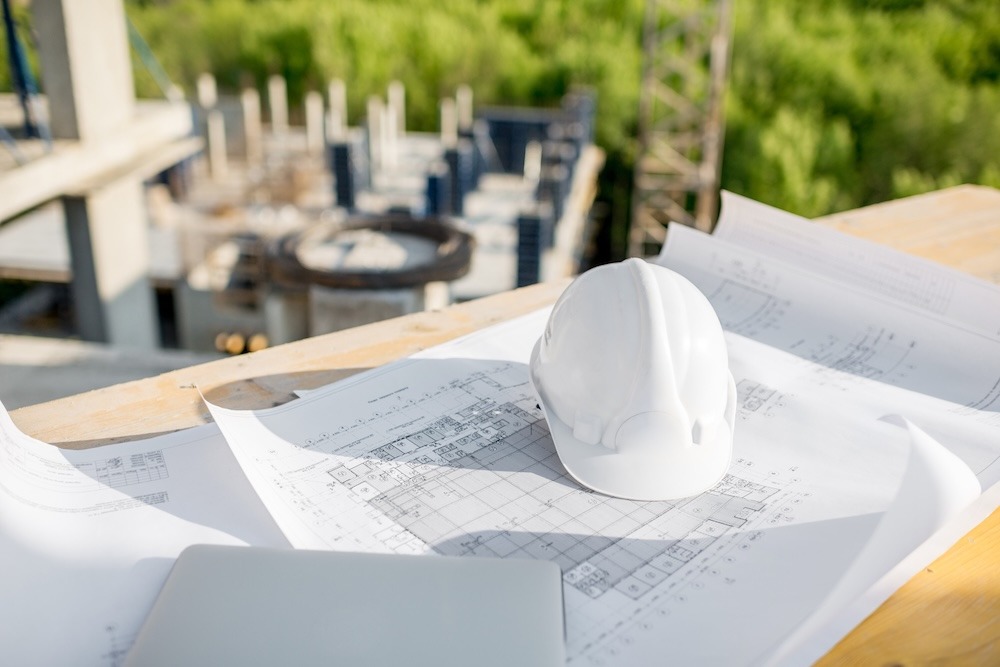
Some property owners attempt installations without permits to save time or money. This creates risk. Unpermitted work can complicate future property sales, void insurance coverage, and result in fines if discovered.
Safety Standards That Affect Automatic Gate Installations
Automatic gates must comply with safety standards that address entrapment hazards. UL 325 is the primary standard governing gate operator safety in the United States. It establishes requirements for safety devices that detect obstructions and reverse gate movement.
Photo eyes, sensing edges, and other safety devices are not optional accessories. They are code-required components that prevent gates from closing on people, pets, or vehicles.
The type and placement of safety devices depend on gate configuration. Swing gates have different entrapment zones than slide gates. Vertical pivot gates have unique requirements altogether.
Inspectors verify that safety devices are installed correctly and functioning. A gate that passes structural and electrical inspection can still fail final inspection if safety devices are missing or improperly positioned.
Residential and commercial installations have different safety considerations. Commercial gates often require additional devices due to higher traffic volume and varied user types. Pedestrian access points near vehicle gates need separate attention.
In Southern Nevada’s climate, safety devices must withstand extreme heat and dust exposure. Components rated for moderate climates may fail prematurely when subjected to 115-degree temperatures and desert particulate. Proper device selection affects both safety compliance and long-term reliability.
How Permit Requirements Differ for Residential and Commercial Properties
Residential gate permits in the Las Vegas Valley tend to be more straightforward. Most involve single-family properties with standard driveway configurations.
HOA requirements sometimes exceed municipal codes. Some homeowners associations require architectural approval before permits can be pulled. Gate styles, heights, and materials may need association review independent of city requirements.
Property line setbacks affect gate placement. Gates installed too close to sidewalks or property lines may require variances or redesign.
Commercial properties face a more complex approval path. Fire marshal review ensures emergency vehicles can access the property. Knox box requirements for fire department override access are common.
ADA accessibility standards apply to commercial installations where pedestrian access is provided. Gate timing, clear width, and control placement all fall under accessibility review.
Multi-tenant properties may require coordination between building owners, property managers, and tenants. Access control integration with existing security systems adds another layer of planning.
Commercial permits often require engineered drawings stamped by a licensed professional. This adds cost but provides documentation that the system meets structural and safety requirements.
What Experienced Installation Looks Like in Practice
Proper installation begins before equipment arrives on site. Experienced installers verify permit status, confirm utility locations, and assess soil conditions before breaking ground.
Post depth in the Las Vegas Valley must account for soil composition. Caliche—theiteite calcium carbite layer common in desert soil—affects footing requirements. Installers familiar with local conditions know when standard depths work and when adjustments are needed.
Electrical runs must be planned for extreme heat exposure. Conduit routed through direct sun can exceed temperature ratings for standard wire. Proper burial depth and conduit selection prevent premature insulation breakdown.
Operator selection matters for long-term performance. Units rated for light-duty residential use often fail prematurely on heavy commercial gates or high-cycle applications. Matching operator capacity to actual gate weight and usage patterns prevents early replacement.
DNG Automatic Gates has served the Las Vegas Valley for more than 12 years, with owner Dave Williams bringing over 25 years of hands-on industry experience to every project. That depth of field knowledge means understanding how permit requirements, local conditions, and proper installation practices work together to produce systems that pass inspection and perform reliably over time.
Property owners in Las Vegas, Henderson, Pahrump, and throughout the valley considering automatic gate installation can request a consultation to discuss permit requirements, system options, and what to expect from the process.


