

The cost to install an automated pedestrian gate typically ranges from $2,500 to $8,000 or more, depending on gate size, material, operator type, and access control features. Understanding what drives these costs helps property owners make informed decisions. For those exploring pedestrian gate options, the total investment reflects both the physical gate and the systems that make it function reliably over time.
What Factors Influence Automated Pedestrian Gate Pricing
Several elements determine the final cost of an automated pedestrian gate installation. The gate material itself represents a significant portion of the budget. Steel and wrought iron gates cost more than aluminum alternatives, but they also offer different levels of durability in harsh conditions.
Gate dimensions matter as well. A standard 3-foot-wide pedestrian gate requires less material and a smaller operator than a 4-foot or wider opening. Custom sizing increases costs because fabrication becomes more involved.
The automation system adds another layer to the investment. Swing operators differ from slide operators in both price and installation requirements. Swing gates work well for most pedestrian applications, but the operator must match the gate weight and usage frequency.
Access control integration affects pricing significantly. A simple key switch costs far less than a keypad, card reader, or smartphone-based system. Properties requiring multiple credential types or integration with existing security systems should expect higher costs.
Electrical work also factors into the total. Running power to the gate location involves trenching, conduit, and wiring. Longer runs from the electrical panel increase labor and material costs. Solar-powered options exist for remote locations, though they come with their own cost considerations.
How Material and Build Quality Affect Long-Term Value
Choosing gate materials involves more than upfront cost comparison. In the Las Vegas Valley, extreme heat and intense sun exposure degrade certain finishes faster than others. Powder-coated steel holds up well when properly applied, but lower-quality coatings may fade or chip within a few years.
Aluminum resists corrosion naturally and weighs less than steel. This reduces strain on operators and hinges. However, aluminum may not provide the same level of security as heavier steel construction for properties where deterrence matters.
Weld quality and frame construction affect how long a gate performs without sagging or binding. Gates built with proper reinforcement maintain alignment over years of daily use. Cheaper fabrication often leads to premature wear on hinges and operators.
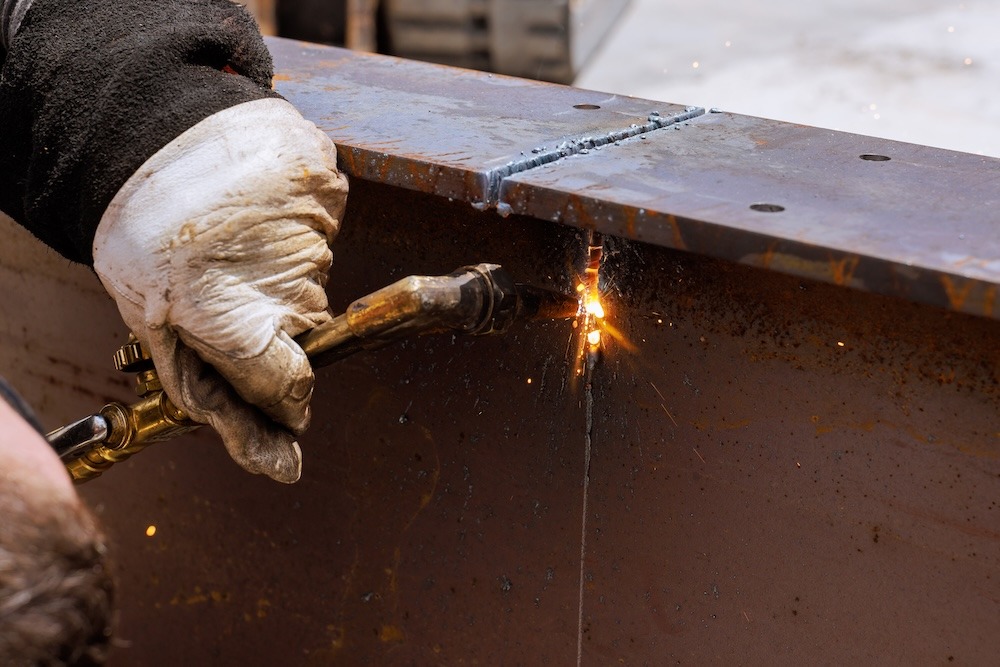
Hardware selection matters more than many property owners realize. Hinges rated for the gate weight and usage cycle prevent early failure. Heavy-duty hinges cost more initially but avoid replacement expenses and downtime later.
The operator itself varies widely in quality and price. Commercial-grade operators handle higher cycle counts and more demanding conditions. Residential-grade units work fine for single-family homes with occasional use. Matching the operator to actual usage patterns prevents premature failure.
What Installation Involves Beyond the Gate Itself
Installation labor represents a substantial portion of the total project cost. Proper installation requires more than simply hanging a gate and mounting an operator. The process begins with site assessment to determine the best gate type and swing direction.
Concrete work often becomes necessary. Gate posts require solid footings to prevent shifting over time. In desert soil conditions, footing depth and diameter must account for soil composition and potential settling.
Operator mounting demands precise alignment. Misaligned operators strain the motor and reduce lifespan. Proper installation includes adjusting limit switches, setting force parameters, and testing safety features.
Electrical connections must meet code requirements. This includes proper grounding, weather-resistant enclosures, and appropriate wire sizing for the run length. Cutting corners on electrical work creates safety hazards and can void equipment warranties.
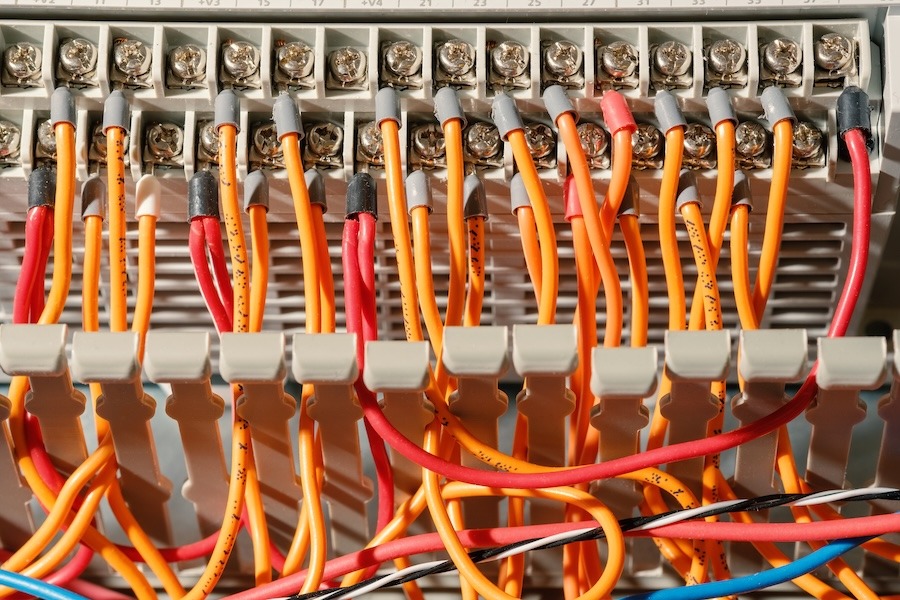
Safety devices add to installation time and cost but remain essential. Photo eyes, safety edges, and entrapment sensors prevent the gate from closing on people or objects. These components require careful positioning and testing to function correctly.
Programming and setup complete the installation. Access codes must be entered, timing adjusted, and any integration with intercoms or cameras configured. Thorough testing under various conditions ensures everything works before the installer leaves.
How Climate and Usage Patterns Impact System Selection
Las Vegas area properties face specific challenges that affect automated gate performance. Sustained temperatures above 110 degrees stress electronic components and lubricants. Operators rated for extreme heat perform better than standard units designed for moderate climates.
Dust and sand infiltration damages moving parts over time. Sealed operator housings and protected pivot points extend service life in desert conditions. Regular maintenance becomes more important here than in less demanding environments.
Wind loads affect gate operation and wear. High-profile gates catch wind and strain operators during gusts. Properties in open areas may need heavier-duty operators or wind-resistant gate designs to maintain reliable function.
Usage frequency determines appropriate equipment grade. A pedestrian gate used a few times daily requires different equipment than one handling dozens of cycles per hour at a commercial property. Underspecifying equipment leads to early failure and unexpected replacement costs.
Commercial applications often require faster operation, more robust access control, and higher duty cycle ratings. These specifications increase costs but match the demands placed on the system. Residential installations can often use lighter-duty equipment appropriate for lower usage.
Working With Experienced Installation Providers in Las Vegas
Selecting an installation provider affects both initial costs and long-term satisfaction. Experienced installers understand which equipment performs well in local conditions. They can identify potential problems during site assessment rather than after installation.
Proper installation practices prevent many common issues. Gate alignment, operator adjustment, and safety device calibration require hands-on experience to get right. Installers familiar with various manufacturers can recommend equipment that matches specific project requirements.
DNG Automatic Gates has served property owners throughout the Las Vegas Valley for more than 12 years, with owner Dave Williams bringing over 25 years of hands-on industry experience to every installation and system evaluation. That field experience influences equipment recommendations suited to Southern Nevada conditions as well as installation practices focused on long-term reliability rather than short-term convenience.
When evaluating automated pedestrian gate costs, it is often helpful to look beyond the initial installation quote and consider factors like warranty coverage, future service access, equipment compatibility, and expected maintenance over time. Property owners considering installation, repairs, or upgrades may benefit from a consultation that reviews site conditions, access requirements, and budget considerations in the context of their specific property. Additional information or a free estimate is available through the DNG Gates Contact Page or by calling (702) 505-3107 to discuss the situation in more detail.


