

A “ghost gate opener” is not something supernatural. It is an automatic gate that appears to open or close on its own because of hidden triggers or glitches within the system. This behavior typically points to an issue with the opener’s electronics, sensors, access devices, or mechanical components rather than anything mysterious. In the Las Vegas Valley, where heat, dust, and wind constantly stress outdoor equipment, automatic gates can develop intermittent behaviors that feel unexplained but almost always have practical, identifiable causes.
Understanding what drives these “spooky” events helps property owners recognize when their system needs attention. The following sections break down how this happens and what it means for long-term reliability.
The Unsettling Experience of a Gate That Moves on Its Own
Walking outside to find the gate standing open when no one remembers using a remote or keypad creates immediate concern. The first thought is often about security. Did someone come in? Can the gate be trusted to stay closed overnight or when the property is unoccupied?
This unease grows when the behavior repeats. A gate that randomly starts moving, stops mid-travel, or reverses when nothing visible is blocking it feels unpredictable. Property owners start second-guessing whether the system is reliable at all.
The frustration goes beyond inconvenience. When a gate cannot be counted on to stay in position, it undermines the reason for having it in the first place. People begin to wonder whether they are dealing with a one-time glitch or the beginning of a larger problem.
For business owners or community managers, the stakes feel even higher. A gate that behaves erratically at a commercial entrance or HOA entry can cause traffic backups, complaints from tenants, and questions about whether the system was installed or maintained correctly.
How Automatic Gate Systems Actually Work
An automatic gate system combines several components that must work together. The gate itself—whether a swing, slide, or barrier arm—is moved by a powered opener unit containing an electric motor and a control board. That control board receives signals from access devices such as remotes, keypads, intercoms, timers, card readers, or vehicle detection loops.

When someone presses a remote or enters a code, a signal travels to the opener, which then moves the gate. Safety devices like photo eyes or sensing edges monitor the path and tell the opener to stop or reverse if something is detected.
The key point is that the opener responds to inputs. It does not decide on its own to move the gate. So when “ghost” behavior occurs, it means something is sending an unintended signal, the control board is reacting to an electronic irregularity, or a mechanical condition is allowing movement when the opener should be holding the gate in place.
Older systems are sometimes more prone to these issues. Earlier generations relied on simpler radio receivers and control boards with fewer diagnostic features. Overlapping radio codes, electrical interference, or aging electronics could trigger movement without clear indication of the cause.
What Consumers Need to Know About Ghost Gate Behavior
Reliability matters most to property owners. The expectation is that the gate opens when commanded and stays closed otherwise. Ghost openings directly undermine that expectation and create doubt about the system’s value.
Safety is equally important. Unexpected movement can surprise anyone near the gate—pedestrians, vehicles, children, or pets. An automatic gate is a large, heavy piece of equipment, and unpredictable behavior introduces risk even if nothing has happened yet.
Durability connects to these symptoms as well. Ghost behavior is often an early sign of wear or environmental stress. In the Las Vegas Valley, intense summer heat accelerates aging of wiring insulation, plastic housings, and electronic components. Dust infiltrates sensors and moving parts. Wind increases mechanical load on the opener. Over years of exposure, these conditions contribute to intermittent issues that show up as random openings or stoppages.
Long-term cost is affected too. The overall expense of owning an automatic gate includes maintaining sensors, wiring, and mechanical hardware—not just the initial installation. Ignoring odd behavior often allows minor issues to progress into more serious failures, shortening the system’s useful life.
Usability suffers when the gate cannot be trusted. If random openings become frequent enough, some owners simply leave the gate propped open to avoid the hassle. At that point, the investment in an automatic entry system provides no real benefit.
Security and privacy are compromised as well. Even a gate that looks solid and well-built feels ineffective if it opens on its own or drifts out of position.
Common Misunderstandings About Automatic Gates
Many property owners assume that a gate only moves when someone presses a button within their line of sight. In reality, multiple devices can trigger the same opener. A remote in a parked vehicle, a timer set to open at a specific hour, or a vehicle loop buried under the driveway can all activate the gate without anyone standing nearby.
Another common assumption is that a gate, once installed and working, will stay consistent indefinitely. Automatic gate systems are not entirely set-and-forget. Components wear. Sensors get dirty or shift out of alignment. Wiring connections loosen over time. In desert conditions, this happens faster than in milder climates.
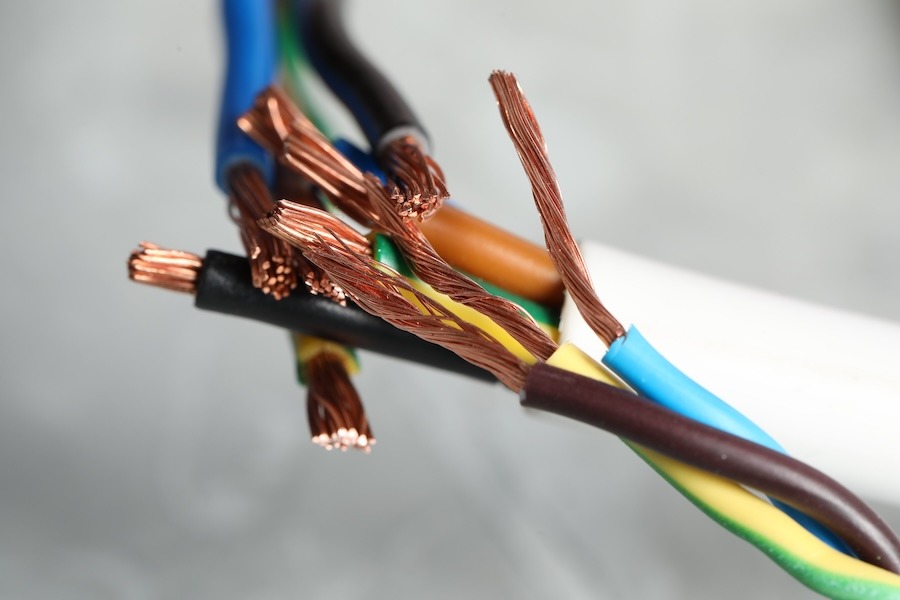
Some owners believe electronic issues always show up as complete failures—either the gate works or it does not. In practice, many problems first appear as intermittent or inconsistent behavior. A photo eye that is marginal may work most of the time but occasionally send a false signal. A control board affected by temperature swings may behave normally during cooler hours but act erratically in peak heat.
Confusion also arises between the opener itself and the access devices connected to it. A gate system might have multiple remotes in different vehicles, a keypad at the entrance, an intercom tied to a phone line, and a loop detector in the driveway. Any of these can independently trigger the opener, and any of them can malfunction in ways that cause unintended movement.
Older systems carry their own expectations. Property owners sometimes assume that radio-based remotes and receivers from earlier generations are immune to interference or unintended activation. In fact, simpler radio protocols and less secure coding make these systems more susceptible to cross-activation from neighboring devices or stray signals.
How Ghost Gate Behavior Shows Up Day to Day
The symptoms are often subtle at first. A gate opens in the middle of the night for no apparent reason. It happens once, and the owner dismisses it as a fluke. Then it happens again a few weeks later.
Other times, the gate starts to move but stops mid-travel or reverses without anything visible in its path. This can point to a marginal sensor, a loose wiring connection, or a control board that is intermittently misreading inputs.
These issues may appear more frequently after weather extremes. A stretch of triple-digit temperatures can stress electronics. A dust storm can coat photo eye lenses or infiltrate junction boxes. High winds can physically push on the gate, causing the opener to work harder or interpret resistance as an obstruction.
Usage patterns matter as well. A residential gate used a few times a day faces different demands than a commercial entrance handling dozens of cycles per hour. Higher traffic means more wear on mechanical parts and more opportunities for access devices to send signals. Multi-tenant properties with numerous remotes, fobs, or access cards in circulation have more potential trigger points.
Over time, property owners who experience ghost behavior may adapt their habits rather than address the underlying issue. They start leaving the gate open when expecting visitors, or they stop relying on the system entirely during certain seasons. This workaround may reduce frustration temporarily, but it also defeats the purpose of having controlled access.
When to Seek Professional Evaluation
Questions about ghost gate openers usually arise after someone already has an automatic gate system in place and begins noticing unexplained movement. The behavior prompts a natural question: is this something minor, or a sign of a larger problem?
Understanding the practical causes—hidden signals, electronic irregularities, mechanical wear, and environmental stress—helps property owners make informed decisions about next steps. In many cases, a thorough evaluation of the opener, sensors, access devices, and wiring can identify the source of intermittent behavior before it progresses into a more serious failure.
Recognizing Ghost Behavior as a Signal Worth Attention
A ghost gate opener is best understood as a signal that the system is not behaving as predictably as it should. Rather than something mysterious, it reflects the reality that automatic gates are complex systems where electronics, mechanics, and environment all interact.

In the Las Vegas Valley, where extreme heat, airborne dust, and wind are constant factors, these interactions show up sooner than they might elsewhere. Recognizing odd behavior early and understanding its practical roots helps property owners maintain the reliability, safety, and security they expect from their gate system.
If your automatic gate has started behaving unpredictably, or if you want to understand what might be causing intermittent issues, DNG Automatic Gates is available for consultation.
With over 12 years serving the Las Vegas Valley and owner Dave Williams bringing more than 25 years of hands-on experience, we can evaluate your system and provide clear guidance. Visit the DNG Gates Contact Page or call (702) 505-3107 to discuss your specific situation.


