

Electric gates provide controlled entry through motorized systems, but they are not impenetrable barriers. Thieves can open electric gates by jamming photo eye sensors, cutting exposed control wires, or forcing mechanical components off their tracks. These vulnerabilities become more pronounced in Las Vegas, where desert dust, extreme heat, and high winds already stress the same components that security depends on. Understanding how these systems work—and where they can fail—helps property owners set realistic expectations about what automatic gates actually provide.
How Thieves Bypass Electric Gate Systems
Electric gates rely on a combination of motors, sensors, and access controls to function. The operator motor drives the gate panel along tracks or hinges, while photo eyes and edge sensors detect obstacles and halt motion when something blocks the path. Remotes or keypads trigger the system to open or close.
These safety features, designed to prevent the gate from closing on a person or vehicle, can become points of exploitation.
Thieves jam photo eye sensors by placing tape or objects over the infrared beam. When the beam is blocked, the system interprets this as an obstacle and either stops the gate or allows it to be moved manually.
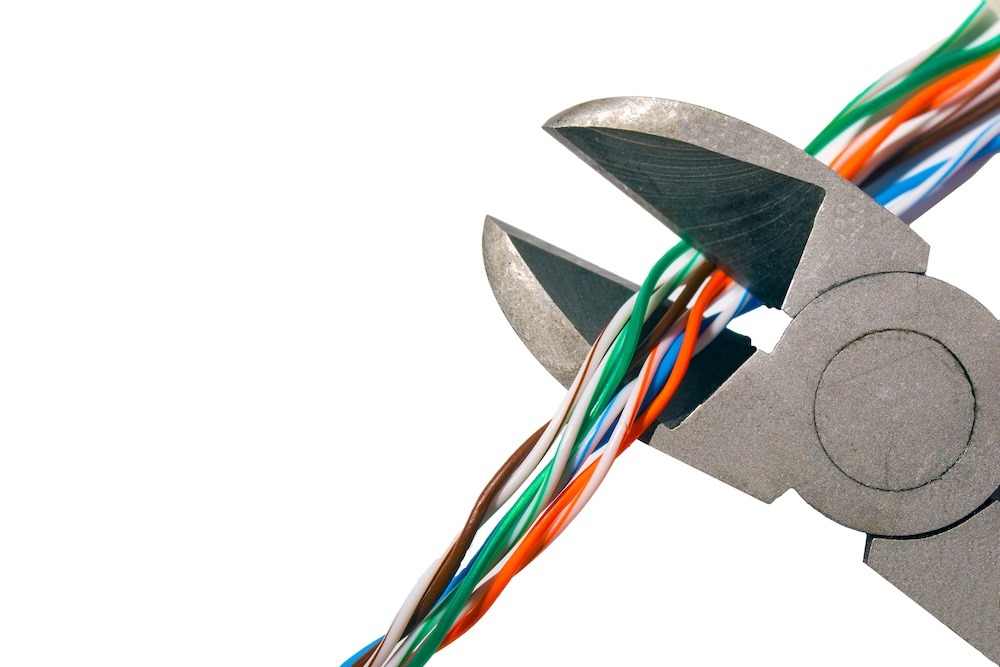
Low-voltage control wires, often running 12 to 24 volts DC, are sometimes exposed or accessible near the gate. Cutting or shorting these wires disables the control board’s ability to manage the gate’s position.
Older RF remotes were easily cloned using universal devices. Current rolling-code systems resist signal cloning, but they do not prevent physical overrides like wire cuts or forced mechanical failure.
Crowbars or vehicles can force slide gates off their tracks or damage swing gate hinges. Once the gate is derailed, it can be pushed open manually regardless of whether the motor is functional.
The distinction matters. Electric gates control access through automation, but their security depends on the integrity of components that can be physically manipulated.
How Desert Conditions Weaken Gate Security Over Time
Las Vegas presents specific environmental challenges that affect automatic gate reliability. Fine desert dust infiltrates mechanical and electrical components, high winds stress moving parts, and extreme heat accelerates wear on motors, seals, and sensors.
Dust accumulation clogs photo eyes and gears. When sensors are covered or misaligned, they may fail to detect obstacles accurately, or they may trigger false readings that disrupt normal operation. Dust in gears and rollers increases friction, which strains motors and reduces efficiency by 15 to 30 percent over time.
Wind gusts exceeding 20 miles per hour can warp slide gate tracks or stress swing gate hinges. Misaligned tracks cause binding, which mimics the kind of forced derailment a thief might attempt with a crowbar. Without reinforced components, wind damage compounds with each storm cycle.
Heat above 110 degrees Fahrenheit degrades rubber seals and causes lubrication to break down. When seals fail, dust enters more easily, and motors work harder to compensate. This creates a cycle where environmental wear accelerates mechanical decline.
These conditions do not create security vulnerabilities directly, but they reduce the reliability of components that security depends on. A gate that binds, hesitates, or fails to close fully is easier to bypass than one operating at full capacity.
Common Misunderstandings About Electric Gate Security
Many property owners assume that because a gate is motorized and electronically controlled, it offers strong protection against intrusion. This assumption overlooks how the system actually functions.
Photo eyes and edge sensors are safety devices, not security devices. Their purpose is to stop the gate from closing on a person, vehicle, or object. When deliberately jammed, they allow the gate to be moved without triggering normal resistance.
The belief that automatic gates are maintenance-free leads to neglected components. In desert climates, dust and heat degrade parts faster than in milder regions. A gate that worked reliably for two years may develop sensor misalignment, motor strain, or track binding if filters and photocells are not cleaned regularly.
Rolling-code technology has improved resistance to remote cloning compared to older standalone RF systems. However, this does not address physical vulnerabilities. A gate with a secure remote system can still be forced off its track or disabled by cutting control wires.
Electric gates function as access control systems, not fortified barriers. They manage who enters and when, but their resistance to forced entry depends on construction quality, installation practices, and ongoing maintenance rather than electronics alone.
What This Means for Residential and Commercial Properties
Residential gates typically use swing or slide configurations suited for moderate daily use. Homeowners cycle their gates more frequently for family vehicles and visitors, which accelerates wear on gears and rollers. Dust-clogged sensors force manual overrides, creating windows where security is reduced.
Commercial gates handle heavier loads and more traffic. Slide gates and barrier arms are common, often with looped entrapment protection for high-volume entry points. These systems share the same sensor reliance as residential setups, meaning dust and heat affect them similarly.
After wind events in the Las Vegas Valley, slide gates often bind on dust-filled tracks. This mimics the effect of forced derailment and may require professional realignment before normal operation resumes.
Heat-swollen seals leak lubrication during peak summer months, causing intermittent failures. Remotes may lose sync, or batteries may fail without warning. Edge sensors must be inspected for cracks that compromise their ability to detect contact.
Long-term durability depends heavily on maintenance intervals. Gates maintained every one to three months can reach 10 to 15 years of reliable service. Without regular attention, lifespan drops to five to seven years, and reliability issues emerge sooner.
Understanding Gate Systems in the Las Vegas Valley
Electric gates are motion systems that depend on aligned sensors, lubricated mechanics, and intact control wiring. They are not flawless barriers, and desert conditions shift reliability expectations toward routine inspection and upkeep.
Thieves exploit the same weaknesses that environmental wear creates over time. Jammed sensors, cut wires, and forced tracks are all possibilities when components are degraded or poorly maintained. Recognizing this helps property owners approach gate security with realistic expectations.
Questions about gate vulnerabilities often surface during inspections of automatic gate systems across Las Vegas, Henderson, Pahrump, and the surrounding valley. DNG Automatic Gates has served the region for more than 12 years, with owner Dave Williams bringing over 25 years of hands-on industry experience to every evaluation.
Property owners considering installation, repair, or upgrades are welcome to request a consultation to discuss system options, maintenance practices, and long-term reliability in Southern Nevada’s desert climate.


